Cervical cancer treatment: from surgery to immunotherapy
- Causes of cervical cancer
- Cervical cancer diagnosis
- Cervical cancer treatment methods
- Life after cervical cancer treatment
- Cervical cancer treatment at Helios hospitals
Cervical cancer is a malignant disease in which a tumor develops from the cells of the cervix, the lower part of the uterus that connects to the vagina. According to the World Health Organization (WHO), approximately 660,000 new cases are diagnosed worldwide each year, making it the fourth most common cancer among women. In its early stages, cervical cancer often develops without noticeable symptoms. However, as the disease progresses, the tumor may spread to surrounding organs and tissues, impairing their function and significantly affecting a patient's quality of life.
Modern treatment methods make it possible to effectively treat cervical cancer, particularly when the disease is detected at an early stage. The choice of therapy largely depends on how far the tumor has spread, the patient's overall health, and other individual factors. To better understand how the disease develops and which treatment options are available, it is important to first explore the causes and risk factors associated with cervical cancer.
Causes of cervical cancer
The main cause of cervical cancer is persistent infection with high-risk types of human papillomavirus (HPV). The virus is primarily transmitted through sexual contact and can cause changes in cervical cells that may eventually develop into a malignant tumor. However, HPV infection does not necessarily lead to cancer: in most cases, the immune system clears the infection naturally.
The main causes and mechanisms involved in the development of cervical cancer include:
- Infection with high-risk HPV types. HPV types 16 and 18 are particularly significant, accounting for approximately 70% of cervical cancer cases worldwide.
- Persistent HPV infection. If the immune system fails to clear the infection, the virus can remain in cervical cells for years, increasing the likelihood of precancerous changes.
- Development of precancerous changes. High-risk HPV types can cause abnormal changes in cervical cells, known as cervical intraepithelial neoplasia (CIN). Without timely detection and treatment, some of these changes may progress to invasive cancer.
Risk factors for cervical cancer
In addition to HPV infection, several factors may increase the risk of developing cervical cancer:
- Smoking. Toxic substances in tobacco smoke weaken local immune defenses and contribute to abnormal changes in cervical cells.
- Weakened immune system. Women living with HIV or other conditions that suppress the immune system, including those receiving immunosuppressive therapy, have a higher risk of persistent HPV infection and malignant cell changes.
- Early sexual activity and multiple sexual partners. These factors may increase the likelihood of HPV exposure, although they do not directly cause cervical cancer.
- Other sexually transmitted infections. Certain infections, particularly chlamydia, may be associated with an increased risk of cervical cancer.
- Multiple full-term pregnancies. Having several full-term pregnancies is associated with a higher risk of cervical cancer, particularly in women with persistent HPV infection.
- Long-term use of oral contraceptives. Research suggests an association between prolonged use of combined oral contraceptives and an increased risk of cervical cancer in women with HPV infection. However, this risk gradually decreases after discontinuing their use.
It is important to understand that having one or more risk factors does not necessarily mean that a woman will develop cervical cancer. However, understanding the causes of the disease, receiving HPV vaccination, and undergoing regular recommended screening examinations can help reduce the risk of cervical cancer and detect abnormal changes at an early stage.
Cervical cancer diagnosis
Early diagnosis of cervical cancer plays an important role in successful treatment. In its initial stages, the disease often causes no noticeable symptoms, making regular screening essential for detecting precancerous changes before cancer develops. If cervical cancer is already present, timely diagnosis helps determine its stage, assess how far it has spread, and select the most effective treatment approach.
“When women seek medical attention after symptoms have already appeared, the disease is often at an advanced stage,” says Prof. Dr. Michael Friedrich, Chief Physician of the Department of Gynecology and Obstetrics at Helios Hospital Krefeld.
When should you see a doctor?
A gynecological examination is recommended not only as part of routine screening but also if symptoms appear that may indicate abnormal changes in the cervix:
- Unusual vaginal bleeding. Particularly after sexual intercourse, between menstrual periods, or after menopause.
- Changes in vaginal discharge. Watery or bloody discharge, or discharge with an unpleasant odor.
- Pain during sexual intercourse. Persistent discomfort or pain during intimacy.
- Persistent pelvic or lower abdominal pain. Especially if it is unrelated to the menstrual cycle.
These symptoms can also occur with other, less serious conditions. However, if any of them develop, it is important to consult a specialist promptly rather than waiting for the next routine screening appointment.
How often should you be screened?
The frequency of cervical cancer screening depends on age, previous test results, individual risk factors, and national medical guidelines.
In Germany, the cervical cancer screening program follows these recommendations:
- Women aged 20–34: An annual cervical cytology test (Pap smear).
- Women aged 35 and older: A combined screening test, including a Pap smear and a high-risk HPV test, every three years.
If abnormal changes are detected, or if a woman has a weakened immune system or a history of precancerous cervical lesions, the doctor may recommend an individualized follow-up schedule. Even with normal screening results, it is important to consult a gynecologist if suspicious symptoms appear.
Main methods of cervical cancer diagnosis
Several complementary diagnostic methods are used to detect cervical cancer and determine how far the disease has spread:
- Gynecological examination. The doctor examines the cervix and surrounding tissues, checks for visible abnormalities, and recommends additional tests if necessary.
- Pap smear (cervical cytology). This test detects abnormal and precancerous changes in cervical cells. It is primarily used as part of routine cervical cancer screening.
- Human papillomavirus (HPV) test. This test identifies high-risk HPV types associated with cervical cancer. When combined with cervical cytology, it helps assess the risk of disease and determine whether further examination is necessary.
- Colposcopy. A detailed examination of the cervix using a special magnifying instrument called a colposcope. It allows the doctor to closely inspect suspicious areas and identify the most appropriate location for a biopsy.
- Cervical biopsy. A procedure in which a small tissue sample is collected for histological examination. It is the primary method used to confirm a cervical cancer diagnosis. In some cases, conization may be necessary, involving the removal of a cone-shaped section of cervical tissue.
- Magnetic resonance imaging (MRI). Used after diagnosis to assess tumor size, the extent of local spread, and possible involvement of surrounding tissues.
- Computed tomography (CT) and PET/CT. These imaging techniques may be used to evaluate lymph nodes and detect possible spread beyond the pelvis, particularly in locally advanced or later-stage cervical cancer.
How is the stage of cervical cancer determined?
After confirming the diagnosis, specialists assess the tumor's size, its spread to surrounding tissues, lymph node involvement, and the presence of distant metastases. The international FIGO staging system is used for this purpose, dividing cervical cancer into four main stages, from I to IV.
Accurate staging is essential for selecting the most appropriate treatment. In the early stages, surgical removal of the tumor may be possible, while more advanced forms of the disease may require combined treatment approaches, including radiation therapy, chemotherapy, immunotherapy, and other systemic treatments. Treatment decisions are made individually, taking into account diagnostic findings and the specific characteristics of the disease.
Cervical cancer treatment methods
Cervical cancer treatment depends on the stage of the disease, the size and location of the tumor, lymph node involvement, the patient's overall health, and her reproductive plans. Surgery is often the primary treatment at an early stage, while locally advanced cervical cancer is usually treated with a combination of radiation therapy and chemotherapy. In certain cases, treatment may also include immunotherapy, targeted drugs, and other modern approaches.
At specialized Helios oncology centers, treatment plans are developed individually by multidisciplinary teams of gynecologic oncologists, surgeons, radiation oncologists, and other specialists. This approach helps select the most effective treatment based on the characteristics of the disease while preserving the patient's quality of life whenever possible.
Surgical treatment of cervical cancer
Surgery is most commonly used in the early stages of cervical cancer, when the tumor is confined to the cervix and can be completely removed. The extent of surgery depends on the size of the tumor, the depth of invasion, and the risk of lymph node involvement.
The main surgical treatment options include:
- Cervical conization. Removal of a cone-shaped section of cervical tissue containing the tumor. This procedure may be used for selected cases of microinvasive cervical cancer detected at a very early stage.
- Radical trachelectomy. Removal of the cervix and some surrounding tissues while preserving the body of the uterus. In selected cases, this procedure allows patients to retain the possibility of pregnancy.
- Hysterectomy. Removal of the uterus, including the cervix. Depending on the stage and characteristics of the tumor, a simple or radical hysterectomy may be performed, with the latter involving the removal of additional surrounding tissues.
During surgery, regional lymph nodes may also be assessed through sentinel lymph node biopsy or lymphadenectomy. These procedures help determine how far the disease has spread and whether additional treatment is necessary. The extent of surgery is based on the cancer stage and the patient's individual circumstances.
In some cases, radiation therapy or chemoradiotherapy is recommended after surgery to reduce the risk of recurrence.
Nerve-sparing TMMR surgery
Total mesometrial resection (TMMR) is a modern surgical technique used in cervical cancer treatment. It is based on a detailed understanding of pelvic anatomy and involves removing the tumor together with surrounding tissues that may be involved in the spread of cancer. At the same time, the surgeon aims to preserve important nerve structures responsible for bladder and bowel function. This approach combines radical tumor removal with a reduced risk of postoperative functional impairment.
TMMR is performed at specialized centers with extensive experience in gynecologic cancer surgery. At the certified gynecologic oncology center of Helios Hospital Krefeld, specialists use nerve-sparing TMMR techniques to treat cervical cancer, paying particular attention to preserving the nerves that control bladder function. The choice of surgical procedure is made individually based on the stage of the disease, the extent of tumor spread, and the patient's overall condition.
Robotic surgery
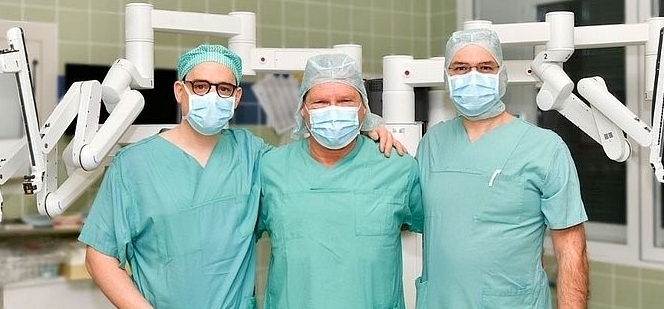
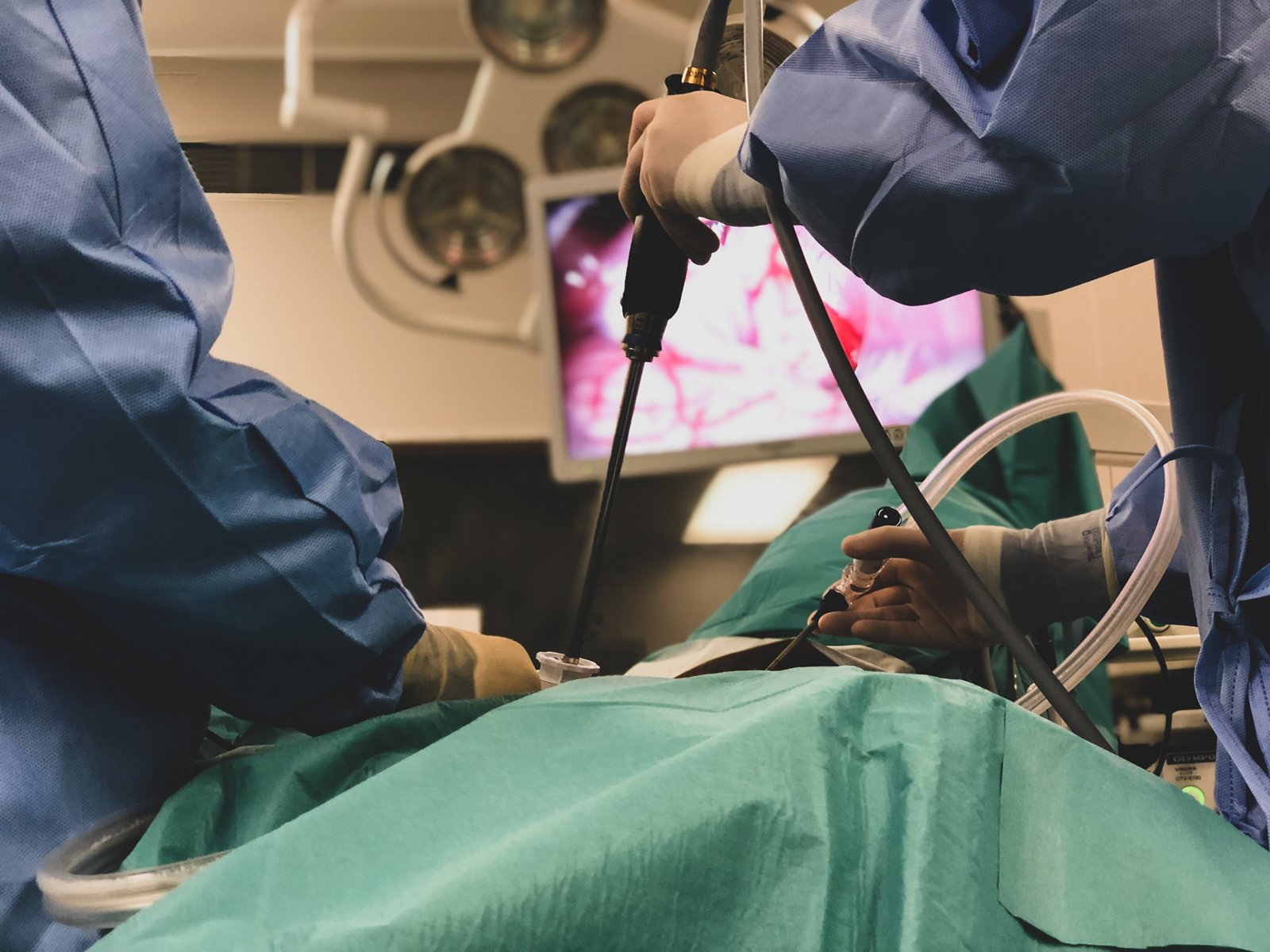
Robot-assisted surgery allows surgeons to perform complex minimally invasive procedures with a high degree of precision. The da Vinci system provides a magnified three-dimensional view of the surgical field and enables the surgeon to control miniature instruments from a dedicated console. This facilitates precise movements within the confined space of the pelvis and helps minimize damage to surrounding tissues.
In cervical cancer, robotic technology may be used for surgical staging, particularly for assessing and removing pelvic and para-aortic lymph nodes. This helps determine the extent of tumor spread and guide further treatment decisions. However, robot-assisted radical hysterectomy is not the preferred approach for early-stage invasive cervical cancer, as open surgery provides better oncological outcomes.
Helios Dr. Horst Schmidt Hospital Wiesbaden, Helios Hospital Erfurt, and Helios Hospital Krefeld use da Vinci Xi robotic systems for gynecologic procedures, including selected surgical interventions for cervical cancer.
Radiation therapy
Radiation therapy uses high-energy radiation to destroy cancer cells. In cervical cancer treatment, it may be used as the primary treatment, combined with chemotherapy, or administered after surgery when certain risk factors are present.
Modern radiation oncology uses technologies that allow radiation to be precisely directed at the tumor while minimizing exposure to surrounding healthy tissues.
External beam radiation therapy: IMRT and IGRT
External beam radiation therapy is one of the main treatment methods for cervical cancer, particularly in locally advanced disease. During treatment, high-energy radiation is directed at the tumor using a specialized machine called a linear accelerator. Modern technologies allow radiation doses to be calculated precisely, targeting cancer cells while minimizing damage to surrounding healthy tissues.
The following technologies are used to improve treatment precision and safety:
- IMRT (intensity-modulated radiation therapy). This technique adjusts radiation intensity across different parts of the treatment area, allowing the dose distribution to conform to the shape of the tumor. It is particularly valuable in cervical cancer treatment because it helps reduce radiation exposure to the bladder, bowel, and other pelvic organs.
- IGRT (image-guided radiation therapy). This involves using X-ray imaging or computed tomography immediately before a radiation session to verify the position of the tumor and the patient. If necessary, specialists adjust the patient's positioning to account for possible changes in the location of pelvic organs.
Helios Hospital Berlin-Buch, Helios Hospital Krefeld, and Helios University Hospital Wuppertal use modern external beam radiation technologies, including IMRT and IGRT. These methods improve radiation precision and reduce exposure to healthy tissues. In cervical cancer treatment, external beam radiation therapy is often combined with chemotherapy and brachytherapy to achieve an optimal antitumor effect.
Brachytherapy
Brachytherapy is a modern form of internal radiation therapy in which a radioactive source is placed directly inside or close to the tumor. In cervical cancer treatment, special applicators are inserted through the vagina into the cervix and uterine cavity, allowing a high radiation dose to be delivered directly to the cancer.
If the tumor is large or extends beyond the cervix, doctors may also insert thin needles directly into the affected tissues. These needles allow the radioactive source to reach areas of the tumor that cannot be effectively treated using standard applicators alone. This approach helps achieve more precise tumor coverage while limiting radiation exposure to surrounding healthy organs, including the bladder and bowel.
Brachytherapy is an essential component of curative treatment for locally advanced cervical cancer. It is usually combined with external beam radiation therapy and chemotherapy.
One modern technique is high-dose-rate (HDR) brachytherapy, in which a radioactive source is temporarily introduced into the tumor area for a precisely calculated period. The procedure is performed using specialized equipment that allows doctors to control the position of the source and the duration of radiation exposure. Anesthesia may be used to ensure patient comfort and accurate applicator placement.
Modern treatment planning using MRI or CT helps calculate the required radiation dose based on the tumor's shape and location, improving treatment precision and reducing the risk of damage to healthy tissues.
At Helios Hospital Berlin-Buch, brachytherapy is used to treat gynecologic tumors, including cervical cancer, in combination with external beam radiation therapy and chemotherapy. At Helios Hospital Schwerin, radiation oncology specialists perform HDR brachytherapy, including techniques that allow the radioactive source to be positioned directly within the cervical canal. The treatment method and schedule are selected individually based on tumor size, disease stage, and the patient's overall condition.
Chemotherapy and combined chemoradiotherapy
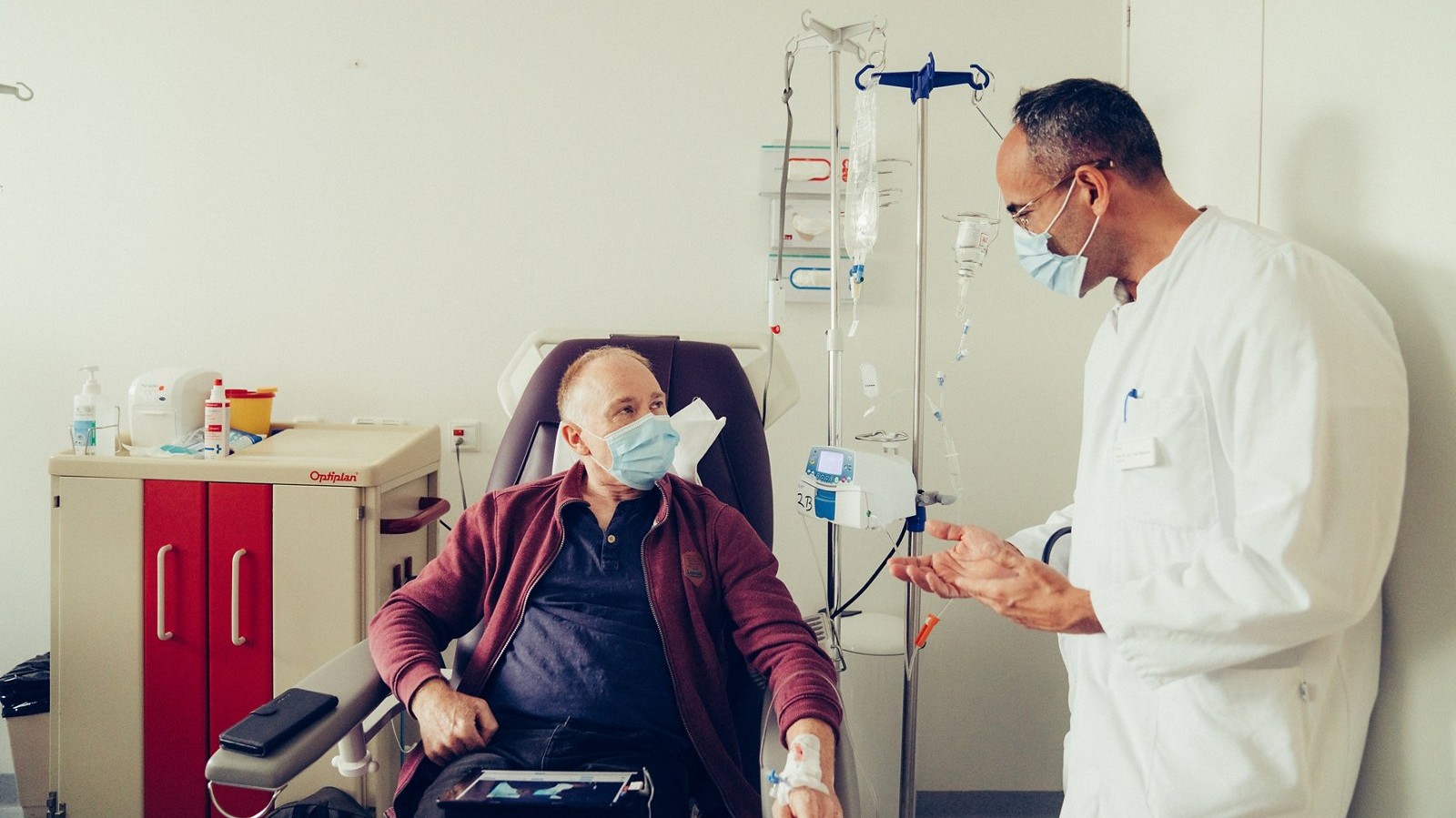
Chemotherapy is one of the main methods of cervical cancer treatment. It involves the use of anticancer drugs that destroy malignant cells or prevent them from dividing. Depending on the stage of the disease, chemotherapy may be combined with radiation therapy, used after surgery when clinically indicated, or administered to treat advanced or recurrent cancer. The main drugs include cisplatin, carboplatin, and paclitaxel, which may be prescribed in different combinations.
Modern chemotherapy approaches aim not only to improve treatment effectiveness but also to make treatment more tolerable. Doctors select drugs and dosages individually, taking into account kidney function, existing medical conditions, and the patient's overall health. Modern antiemetic medications, intravenous fluid support, and regular blood tests also help prevent or reduce certain treatment-related side effects.
Concurrent chemoradiotherapy
Concurrent chemoradiotherapy is the standard treatment for many cases of locally advanced cervical cancer. It involves administering chemotherapy and external beam radiation therapy at the same time, with brachytherapy delivered during or after the course of external radiation.
Cisplatin is most commonly used because it increases the sensitivity of cancer cells to radiation and enhances the antitumor effect. This combined approach provides better disease control than radiation therapy alone.
Induction chemotherapy
Induction chemotherapy is a treatment approach in which a course of chemotherapy is administered before the main treatment begins. In cervical cancer, it may be considered for selected patients with locally advanced disease before standard chemoradiotherapy. Its main purpose is to reduce tumor size, target potentially disseminated cancer cells, and improve the effectiveness of subsequent treatment.
In recent years, induction chemotherapy has attracted increasing attention following clinical studies demonstrating improved survival with certain combinations of anticancer drugs administered before chemoradiotherapy. However, an additional course of chemotherapy may increase the risk of side effects, so this approach is not suitable for every patient. The decision to use induction chemotherapy is made individually, taking into account the stage of the disease, the patient's overall health, and current clinical guidelines.
Immunotherapy
Immunotherapy is one of the major advances in modern oncology. Unlike conventional chemotherapy, it aims to strengthen the immune system's ability to recognize and attack cancer cells.
In cervical cancer treatment, immune checkpoint inhibitors are among the drugs used. They block mechanisms through which tumors suppress the body's antitumor immune response.
Pembrolizumab immunotherapy
Pembrolizumab is a drug that blocks the PD-1 receptor on immune cells. It may be used for certain forms of cervical cancer:
- High-risk locally advanced disease: in combination with chemoradiotherapy, followed by maintenance treatment, when the patient meets the established eligibility criteria.
- Persistent, recurrent, or metastatic cervical cancer: in combination with chemotherapy, sometimes with the addition of bevacizumab, depending on relevant biomarkers and other clinical indications.
Large clinical trials have shown that adding pembrolizumab to standard treatment can improve outcomes in certain groups of patients. However, immunotherapy is not suitable for everyone. Treatment decisions depend on disease stage, tumor characteristics, previous treatment, and the drug's approved indications.
At the gynecologic oncology center of Helios Hospital Schwerin, modern systemic treatment approaches, including specialized antibody-based therapies, are used as part of comprehensive cancer care. The availability of a specific immunotherapy drug for cervical cancer should be confirmed individually.
Targeted therapy
Targeted therapy uses drugs that act on specific molecular mechanisms involved in tumor growth and spread. Unlike conventional chemotherapy, these drugs are designed to target particular biological pathways, although they can also cause serious side effects.
Antiangiogenic therapy with bevacizumab
Bevacizumab is one of the targeted drugs used to treat advanced cervical cancer. It blocks vascular endothelial growth factor (VEGF), which plays a role in the formation of new blood vessels that tumors need to grow.
Bevacizumab may be prescribed in combination with chemotherapy for persistent, recurrent, or metastatic cervical cancer. In certain clinical situations, it is also included in treatment regimens alongside immunotherapy.
Choosing this combination requires careful assessment of the patient's condition, as bevacizumab may increase the risk of bleeding, blood clots, and fistula formation, particularly in patients who have previously received pelvic radiation therapy.
Antibody-drug conjugates
Antibody-drug conjugates (ADCs) are a promising approach to treating advanced cervical cancer. They combine an antibody's ability to recognize a specific target on cancer cells with the action of a cytotoxic anticancer drug.
One example is tisotumab vedotin, an antibody-drug conjugate targeting tissue factor. Clinical trials have demonstrated improved survival in patients with recurrent or metastatic cervical cancer who have previously received systemic treatment.
At Helios Hospital Berlin-Buch, targeted drugs, including monoclonal antibodies that act on specific mechanisms of tumor growth, are used to treat gynecologic malignancies. At Helios Hospital Krefeld, the specialized Center for Outpatient Gynecologic Oncology (ZAGO) offers monoclonal antibody therapy and participates in clinical trials investigating new anticancer drugs. The suitability of targeted therapy is determined individually based on clinical indications and the characteristics of the disease.
Life after cervical cancer treatment
After completing cervical cancer treatment, patients enter an important phase of recovery and return to everyday life. Modern rehabilitation programs help women gradually regain their physical strength, improve their well-being, and restore their quality of life. The length of the recovery period depends on the stage of the disease, the treatment received, and individual health factors.
Rehabilitation and recovery
After surgery, chemotherapy, or radiation therapy, rehabilitation is tailored to each patient's needs. It may include therapeutic exercises, pelvic floor muscle training, physiotherapy, nutritional guidance, and psychological support. When necessary, specialists also help patients restore bladder and bowel function and address concerns related to hormonal changes and sexual health.
Returning to everyday activities should be gradual. Moderate physical activity, walking, adequate sleep, and a balanced diet can support recovery. After surgery, patients should avoid heavy lifting and strenuous exercise until the tissues have healed. Sexual intercourse, tampon use, and vaginal douching should also be avoided temporarily. The treating physician determines how long these restrictions should remain in place based on the extent of the procedure. After radiation therapy, recommendations for resuming sexual activity are also individualized.
Follow-up examinations after treatment
Regular medical follow-up allows doctors to assess treatment outcomes, monitor recovery, and identify any changes that may require further evaluation. According to international clinical guidelines, the usual follow-up schedule is:
- During the first two years: appointments with a gynecologic oncologist every 3–6 months.
- From the third to the fifth year: follow-up visits every 6–12 months.
- After five years: routine check-ups, generally once a year.
During these appointments, the physician assesses the patient's overall health and performs a gynecological examination, including a speculum examination. Additional tests are ordered when clinically indicated. After chemoradiotherapy, pelvic MRI or PET-CT may be performed to assess treatment response, usually no earlier than three months after radiation therapy has been completed.
Subsequent ultrasound examinations, MRI, CT, or PET-CT scans are arranged according to individual clinical indications rather than routinely at every follow-up visit. After fertility-sparing surgery, the surveillance program may also include HPV testing and cervical cytology.
Outlook and quality of life
When detected early and treated appropriately, cervical cancer can often be treated successfully, offering patients a strong chance of long-term remission and a fulfilling life. Modern surgical techniques, precise radiation therapy, and personalized drug treatment strategies not only provide effective cancer treatment but also place greater emphasis on preserving organ function and maintaining quality of life.
Many women return to work, travel, physical activity, and their usual routines after completing treatment. In selected cases of early-stage cervical cancer, fertility-sparing treatment may be possible, helping preserve reproductive potential. Regular follow-up care, adherence to medical recommendations, and comprehensive rehabilitation can support long-term well-being and help patients return to everyday life with confidence.
Cervical cancer treatment at Helios hospitals
Helios hospitals in Germany offer comprehensive cervical cancer treatment, combining highly qualified medical specialists, state-of-the-art equipment, and international standards of cancer care. Specialized gynecologic oncology centers bring together experienced physicians and maintain high standards of medical care through rigorous certification requirements.
Each case is reviewed by a multidisciplinary tumor board, where specialists develop a personalized treatment strategy based on the stage of the disease, the patient's overall health, and individual preferences. Particular attention is paid not only to treatment effectiveness but also to preserving quality of life.
Patients benefit from comfortable accommodation, professional nursing care, psychological support, and assistance with recovery after treatment. Helios International supports international patients in selecting specialists, arranging examinations and treatment, providing interpreter services, and organizing other aspects of their medical journey.
If you are interested in arranging diagnosis or treatment at one of the Helios hospitals, you can submit a request using the contact form on our website or contact us via the email address provided at the top of the website.
Learn more about arranging treatment at Helios hospitals ⟶
Do you need more information about Helios Hospitals or want to schedule your treatment?