Comprehensive approach to joint replacement at Cäcilien-Hospital Hüls
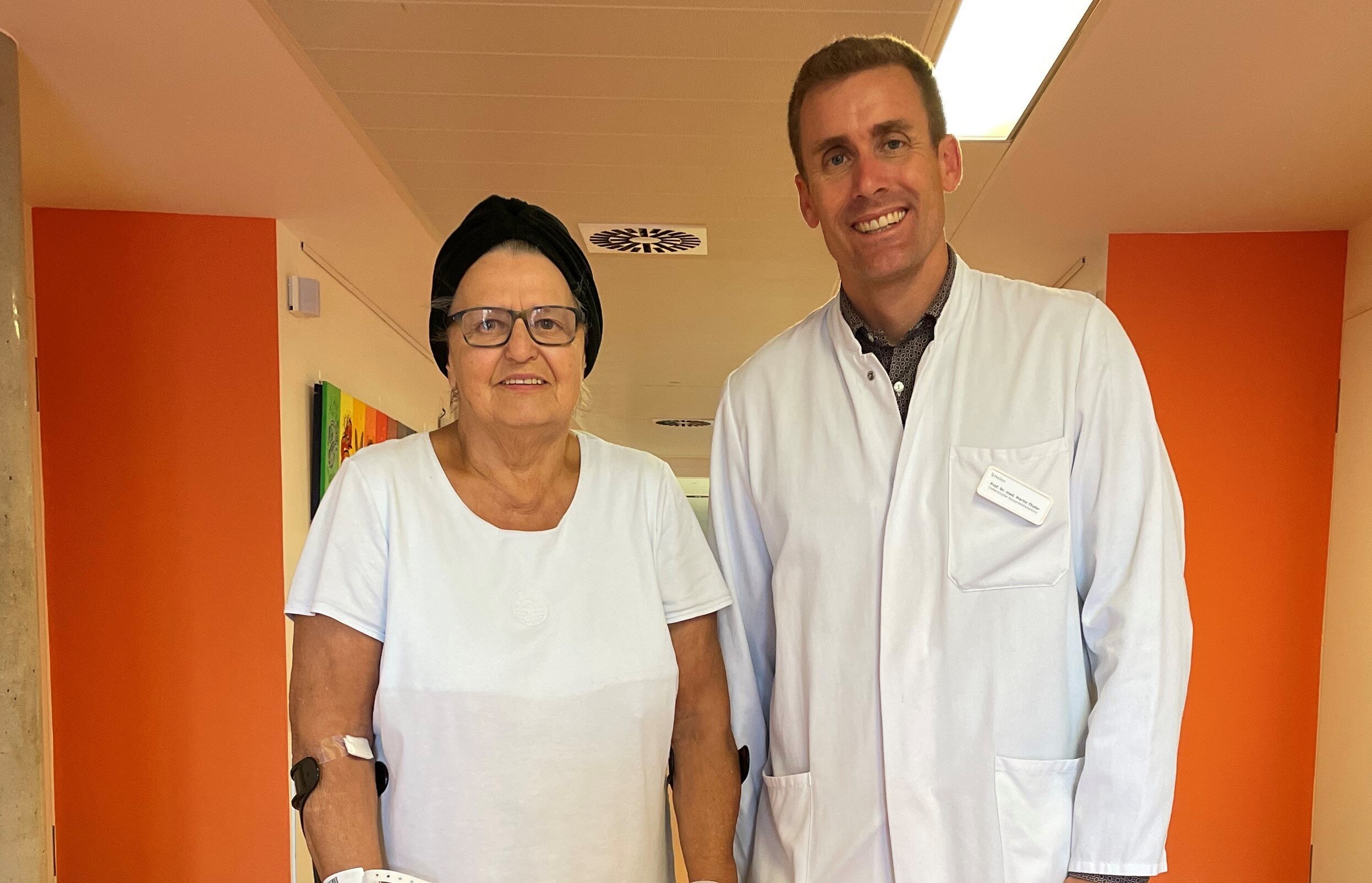
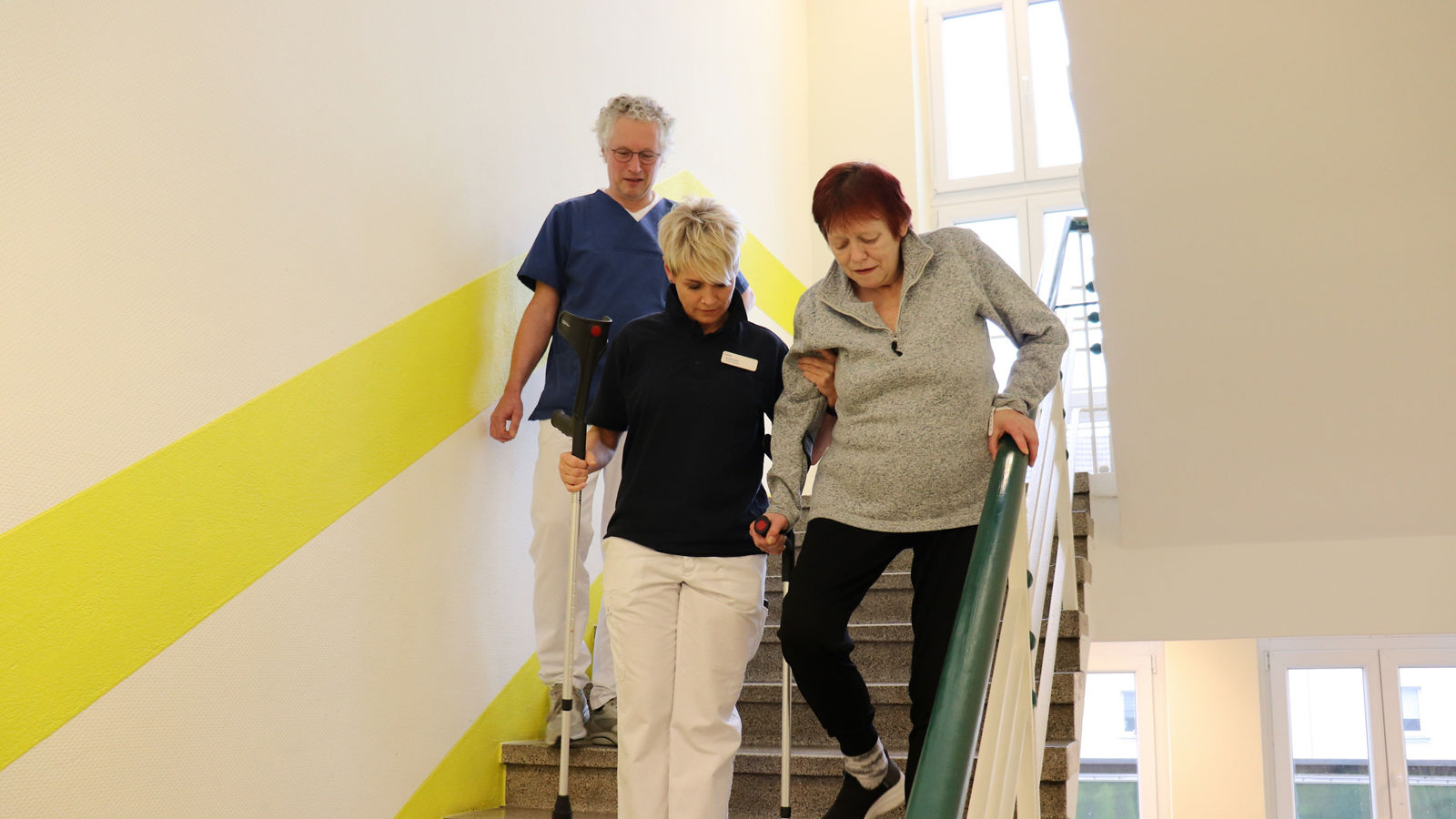
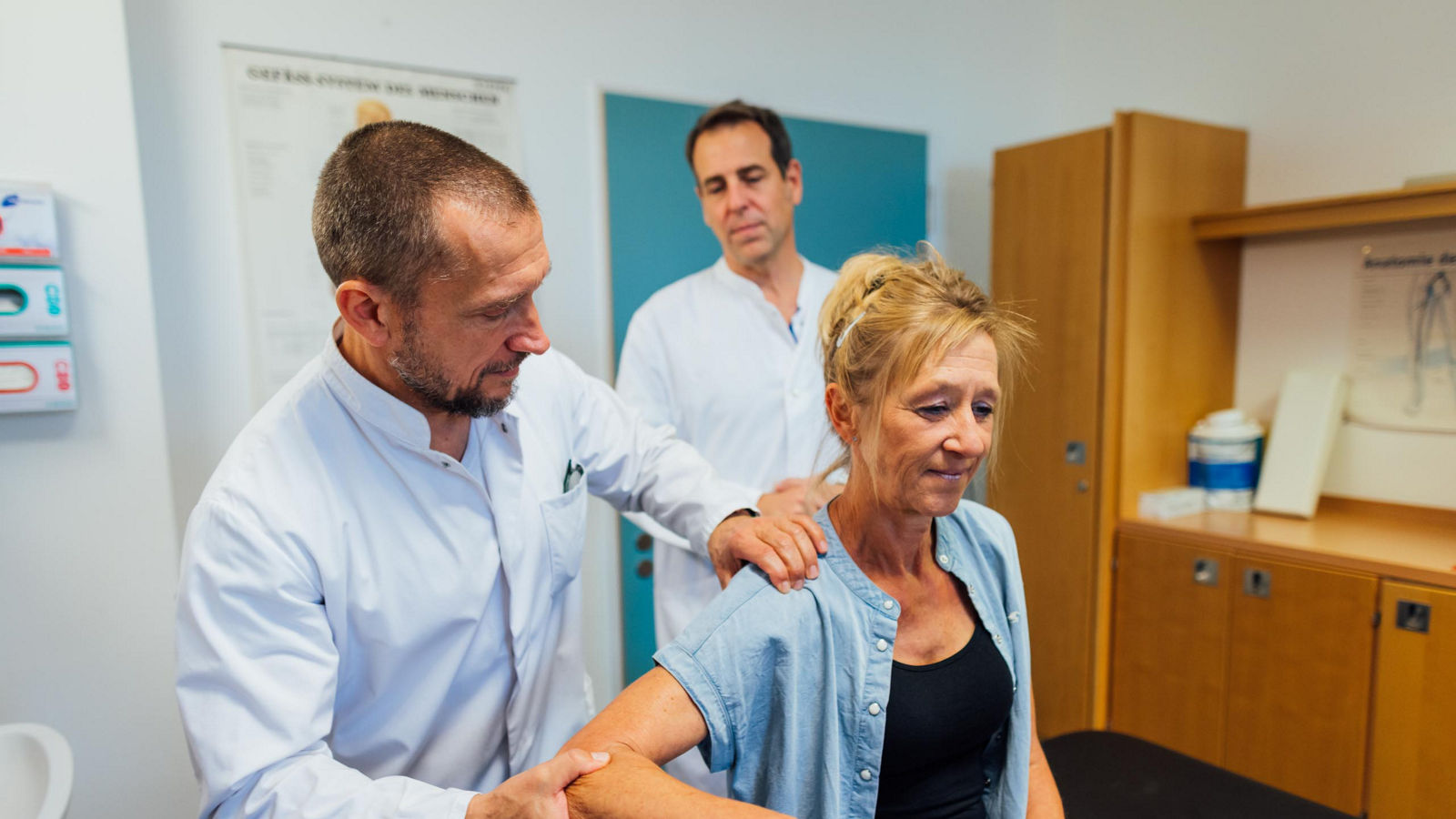
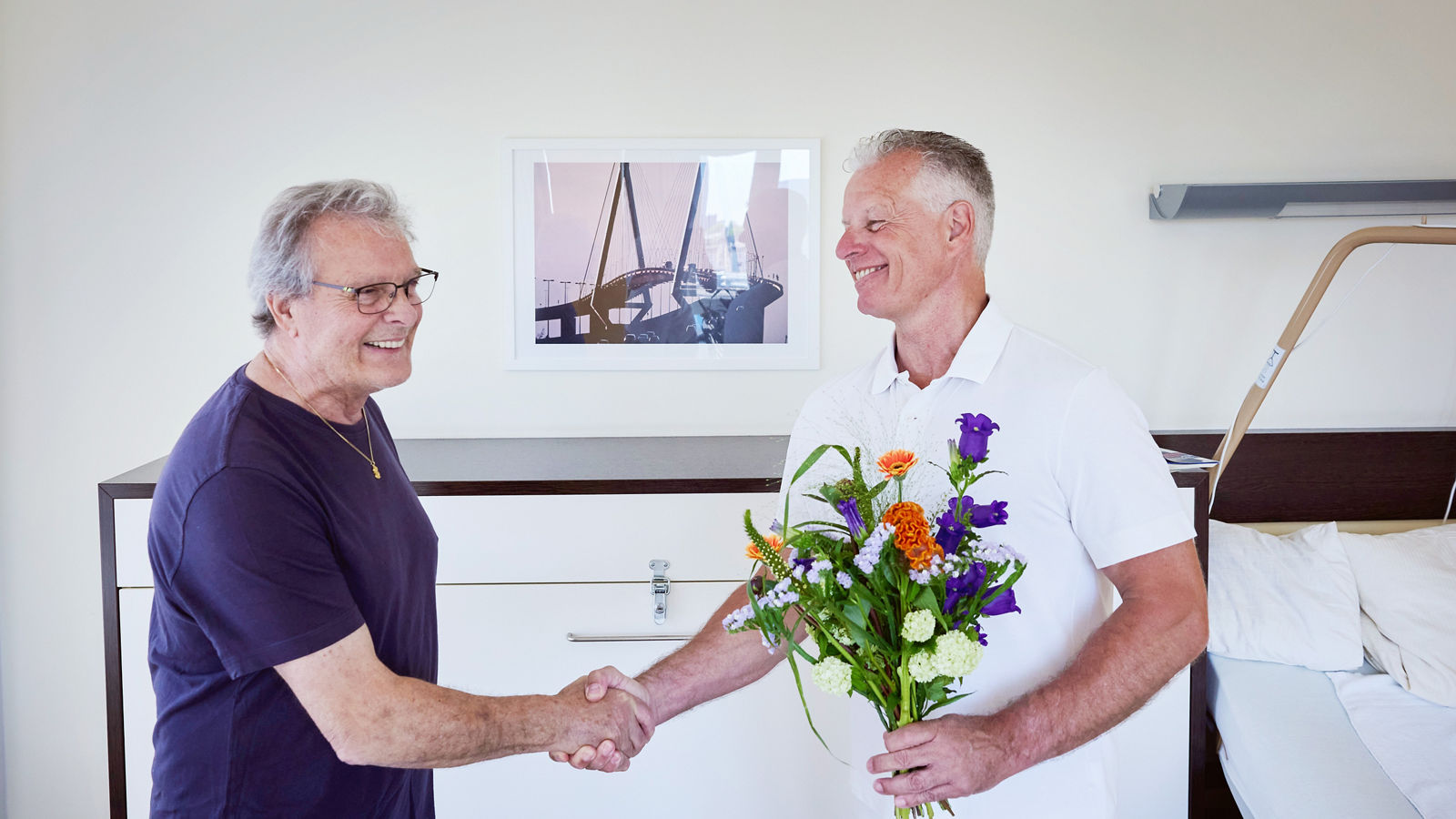
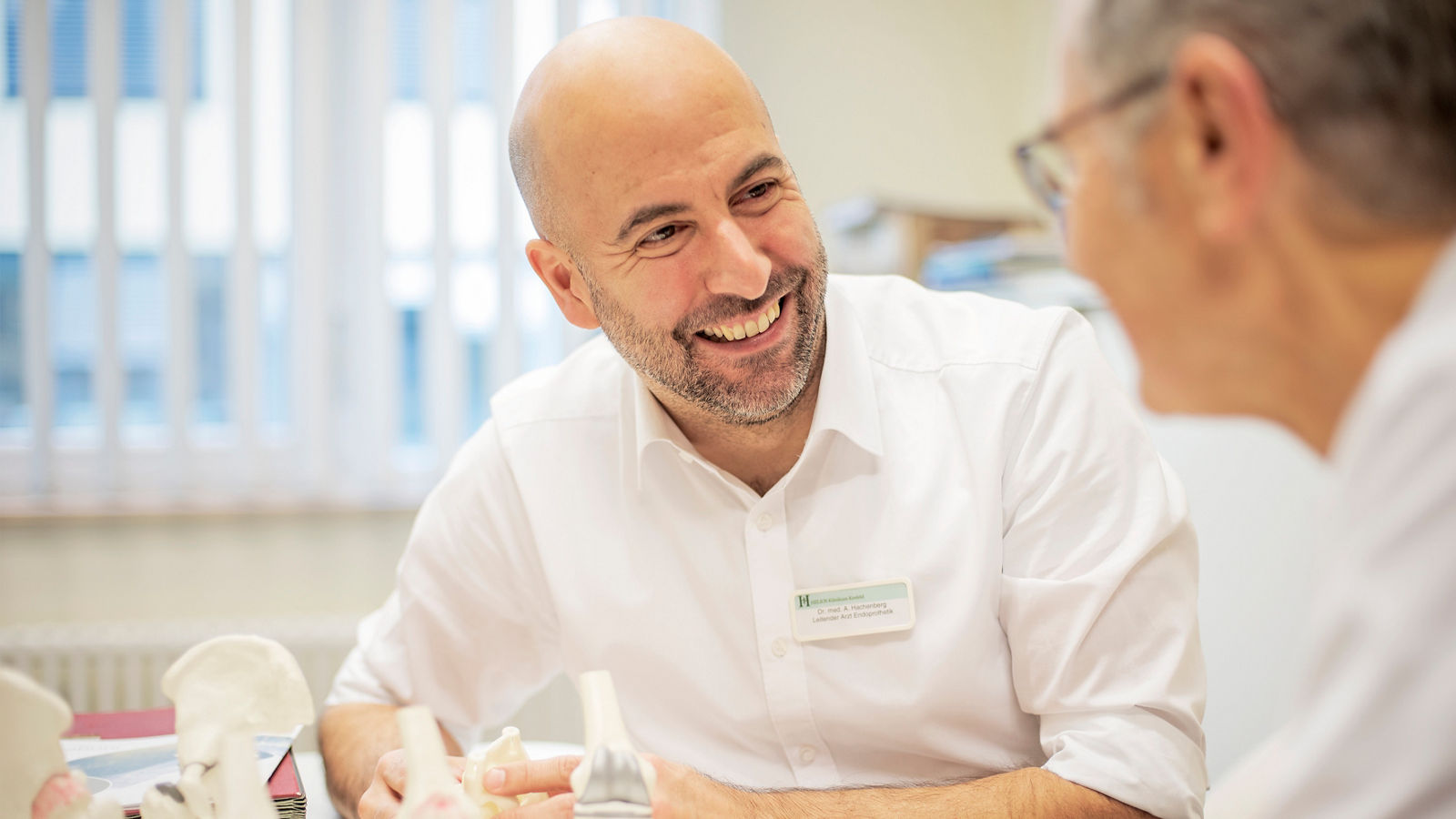
When Dr. Andreas Hachenberg walks through the corridors of the Ortho-Campus, he rarely makes it to his destination without stopping along the way. A patient whose hip he operated on five days ago asks whether she can already stop using her crutches. A physiotherapist asks him to speak once more with a patient who is still too cautious about putting weight on his new knee. The lead physician of the maximum-care endoprosthetics centre pauses and makes time for both.
Successful treatment involves more than just surgery
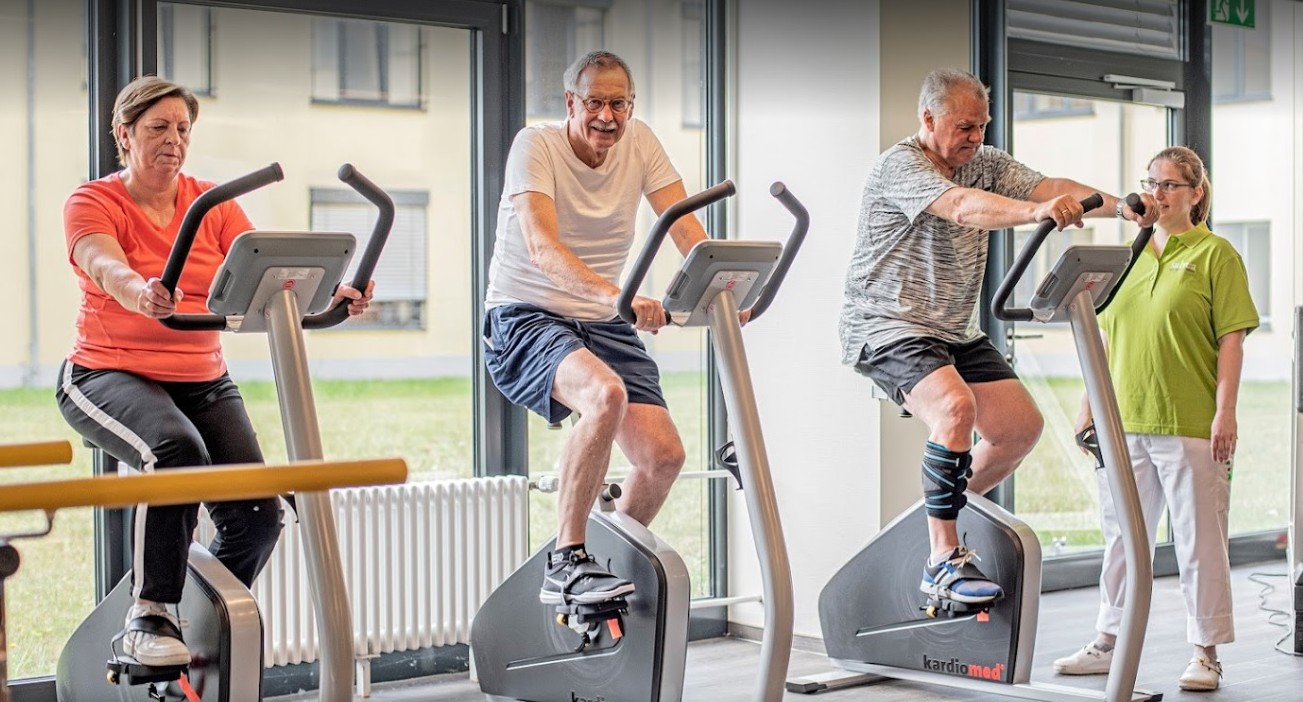
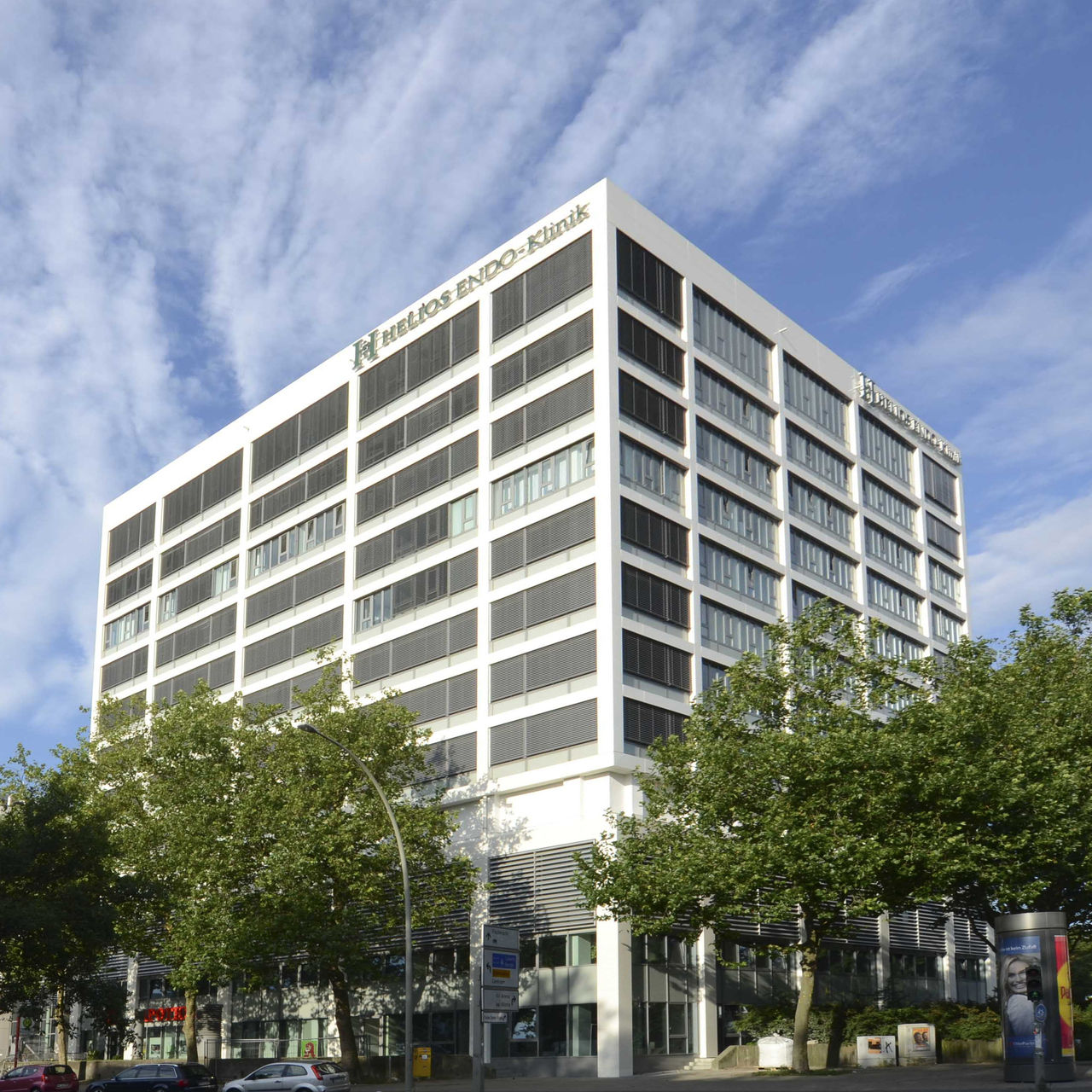
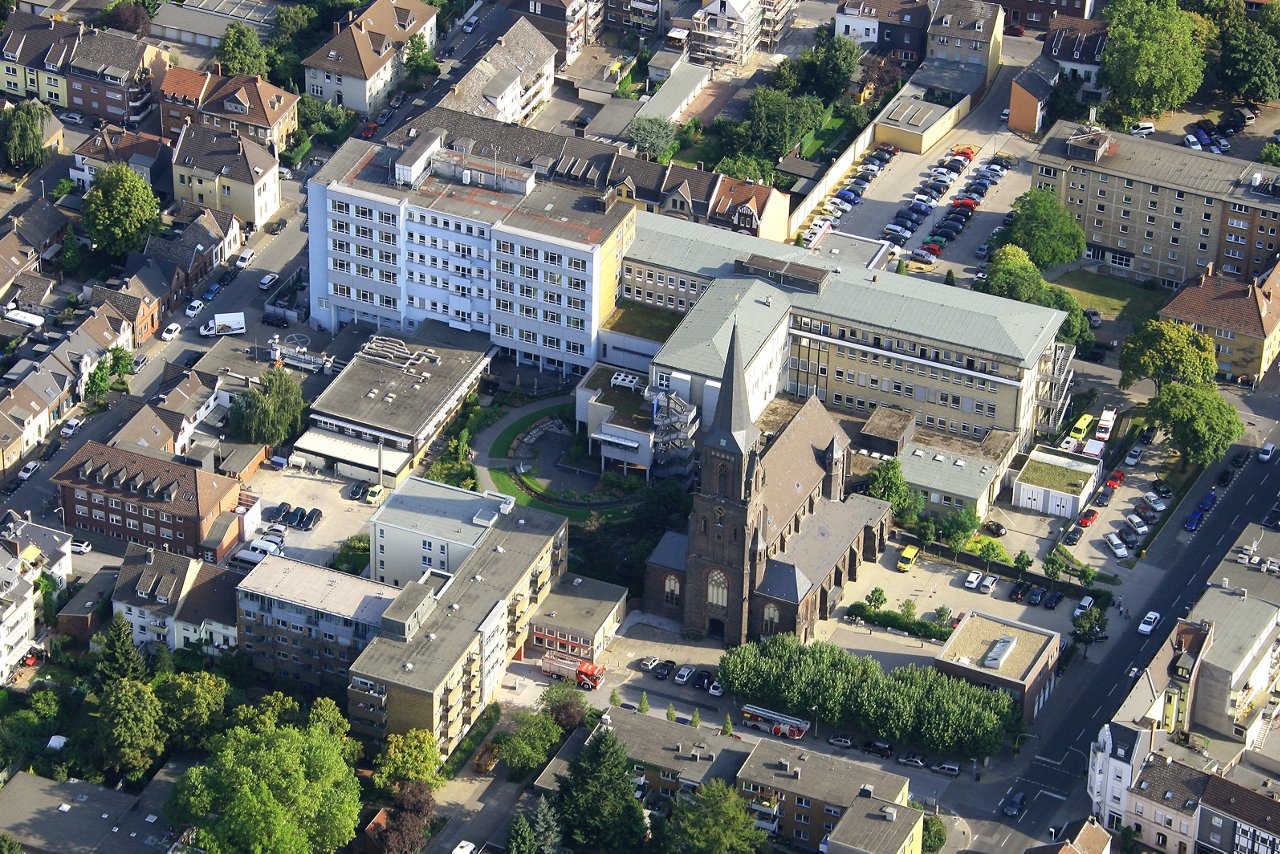
In joint replacement care, a patient’s contact with their surgeon usually ends when they leave the hospital. Rehabilitation begins elsewhere, with a new team. “Why not bring everything together under one roof — with one team supporting the patient from the initial consultation through to the final day of rehabilitation?” Hachenberg says, summarising the original idea that led to the creation of the Ortho-Campus in 2020.
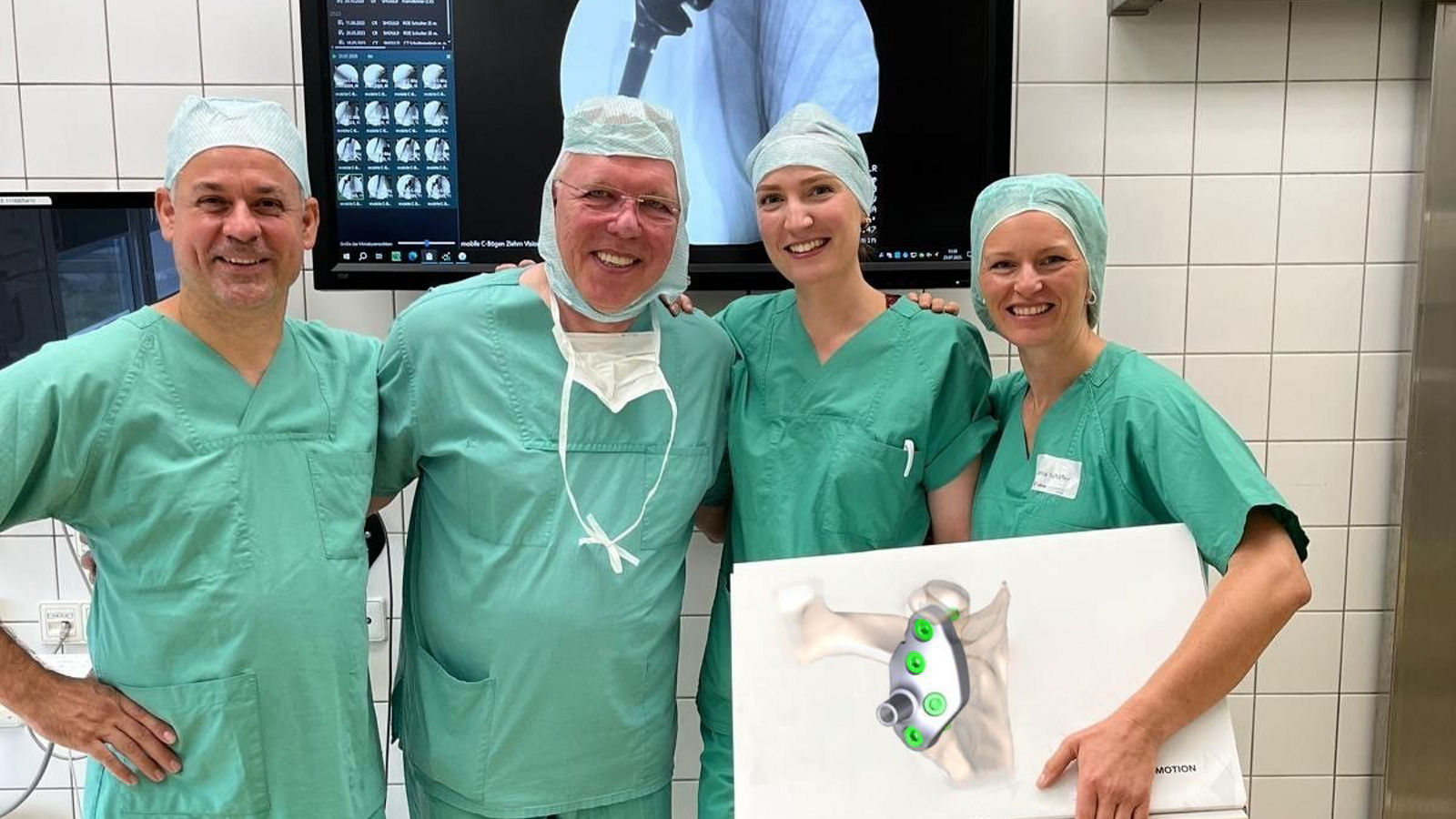
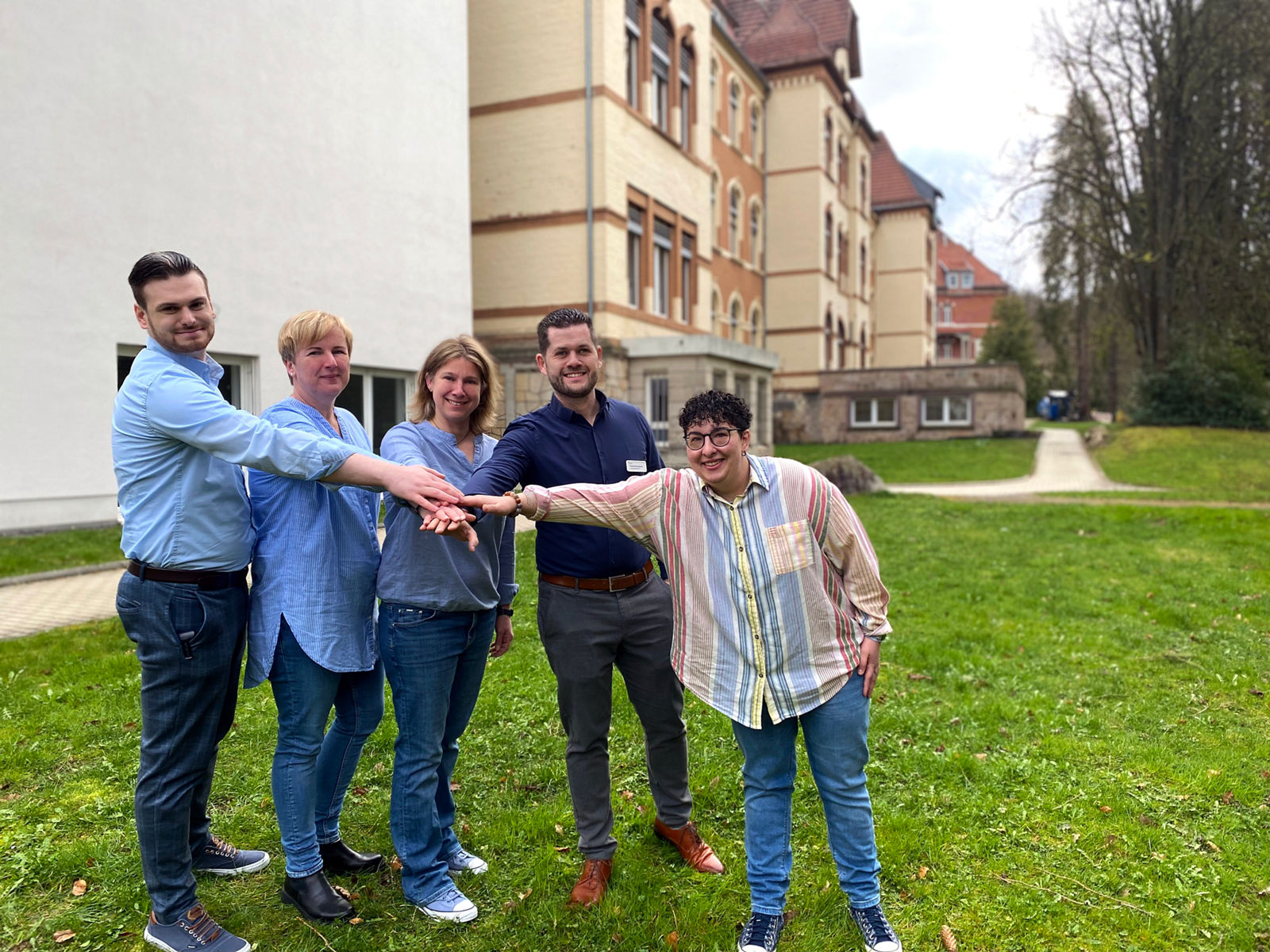
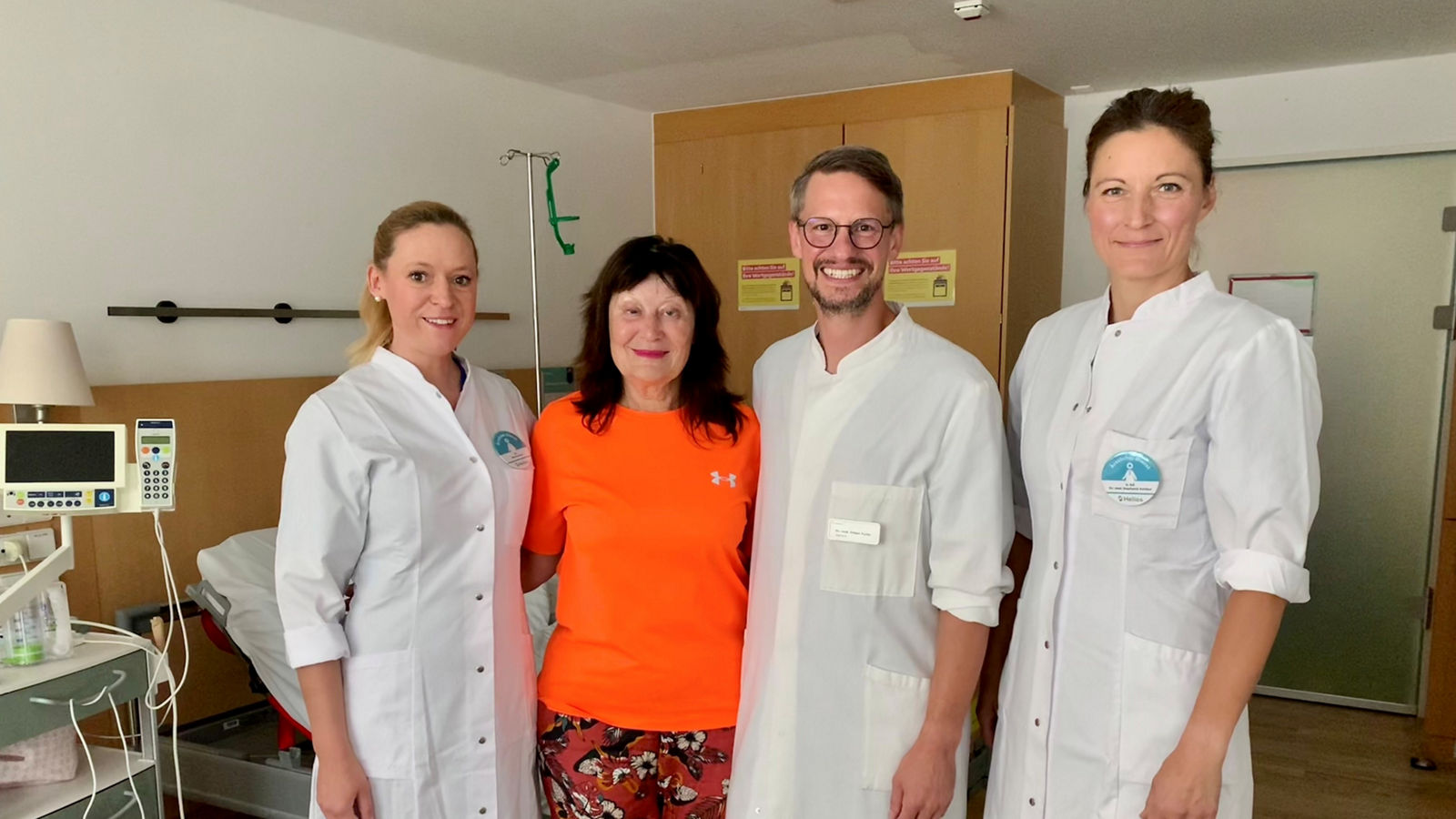
As Chief Physician, he also heads the inpatient rehabilitation programme there. By focusing exclusively on joint replacement, developing the expertise of the entire medical, nursing and physiotherapy team, and closely integrating inpatient rehabilitation on the same campus, a highly specialised orthopaedic unit has been created. “The patients who undergo rehabilitation here are cared for by the same therapists who helped them out of bed after surgery,” says Dr Artem Tuzhikov, lead physician for revision joint replacement. “Time and again, we see how this familiarity has a positive impact on treatment and recovery.”
Taking the patient’s perspective into account is fundamental to the entire approach at the Ortho-Campus. Surgery is not regarded as an isolated procedure, but as part of a journey undertaken together.
“Every patient brings their own experiences. It is important to us to understand their individual circumstances and expectations and incorporate them into a personalised treatment plan that suits them — and that is given the time it needs.”
Today, this approach is reflected in two different treatment pathways. The Fast Track concept prepares patients for early mobilisation even before surgery, using exercises and crutch training. “The sooner you are back on your feet after surgery, the better,” Hachenberg explains.
Older patients, however, often need more time, support and individual attention. “That is why we developed the Senior Track for them. Our geriatric specialists are involved in their treatment, while the pace of recovery and pain medication are adapted to the patient’s age,” Tuzhikov adds.
A recognised centre for revision surgery
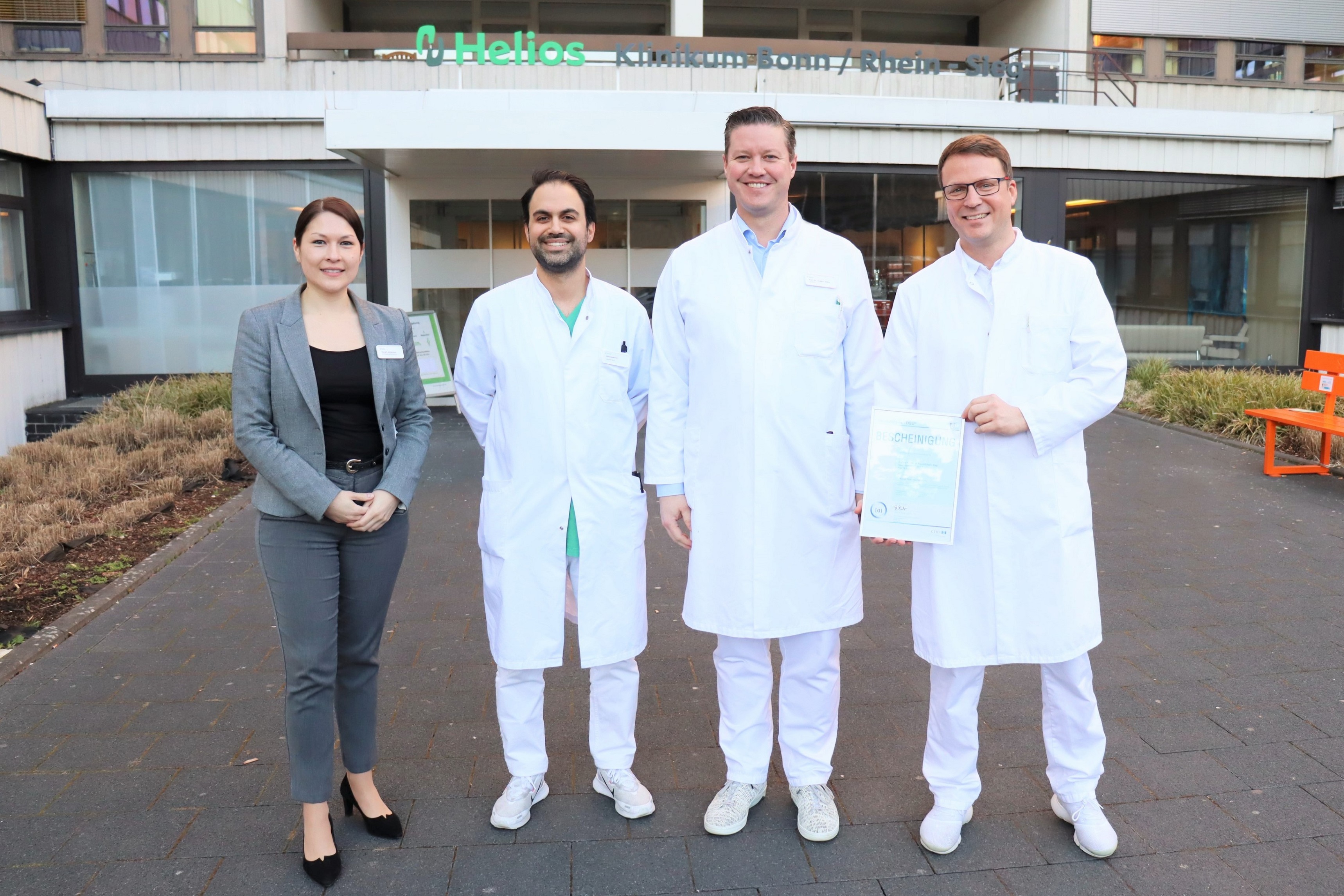
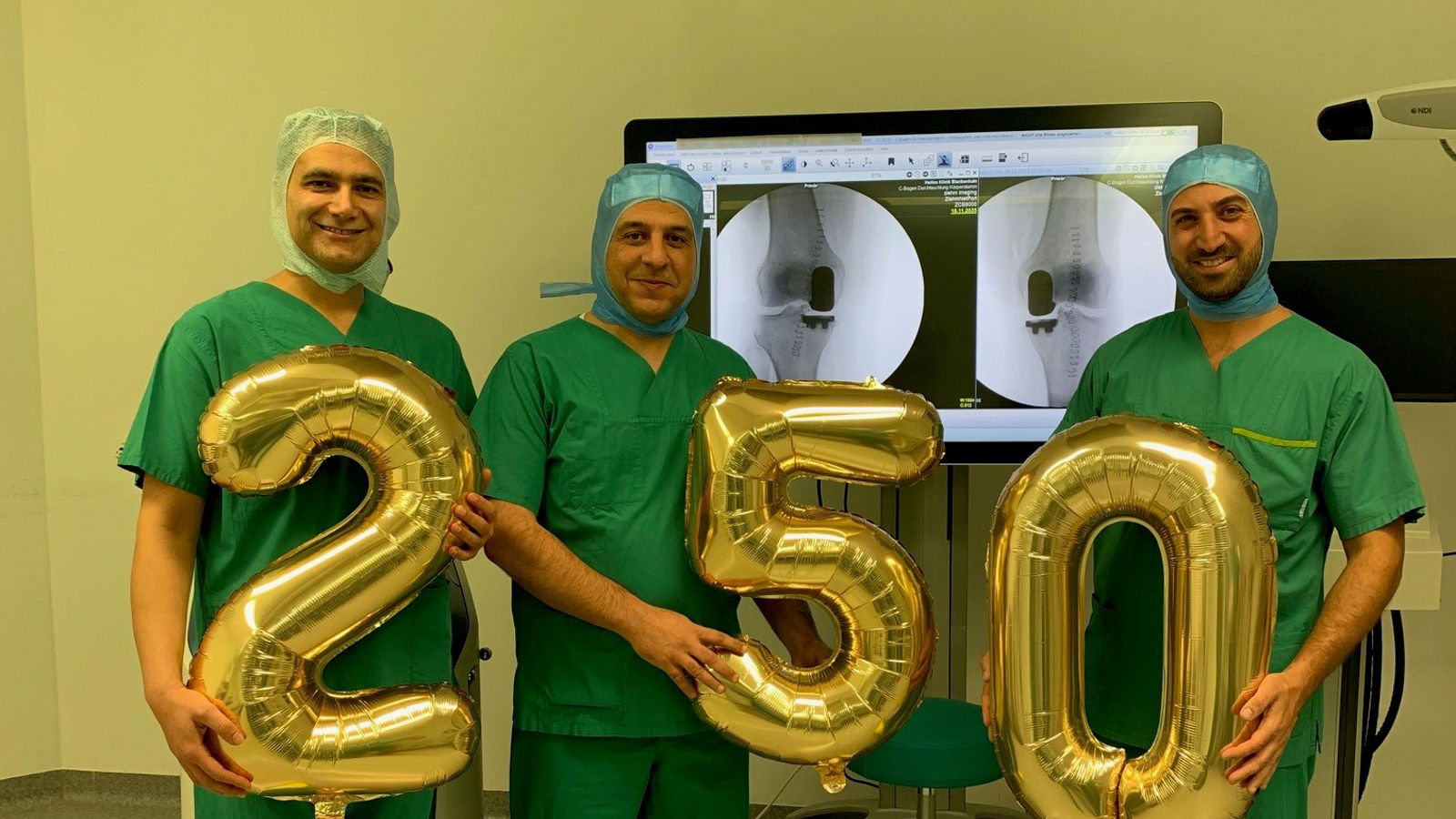
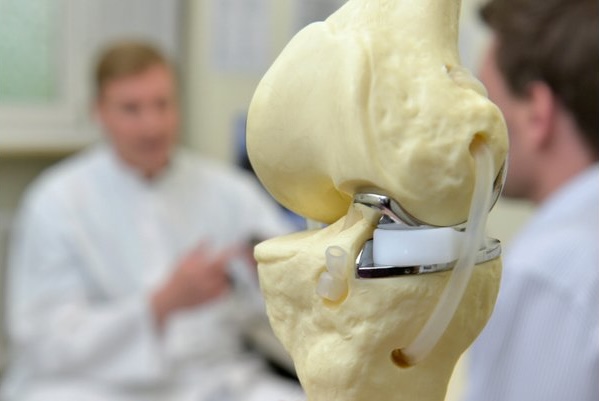
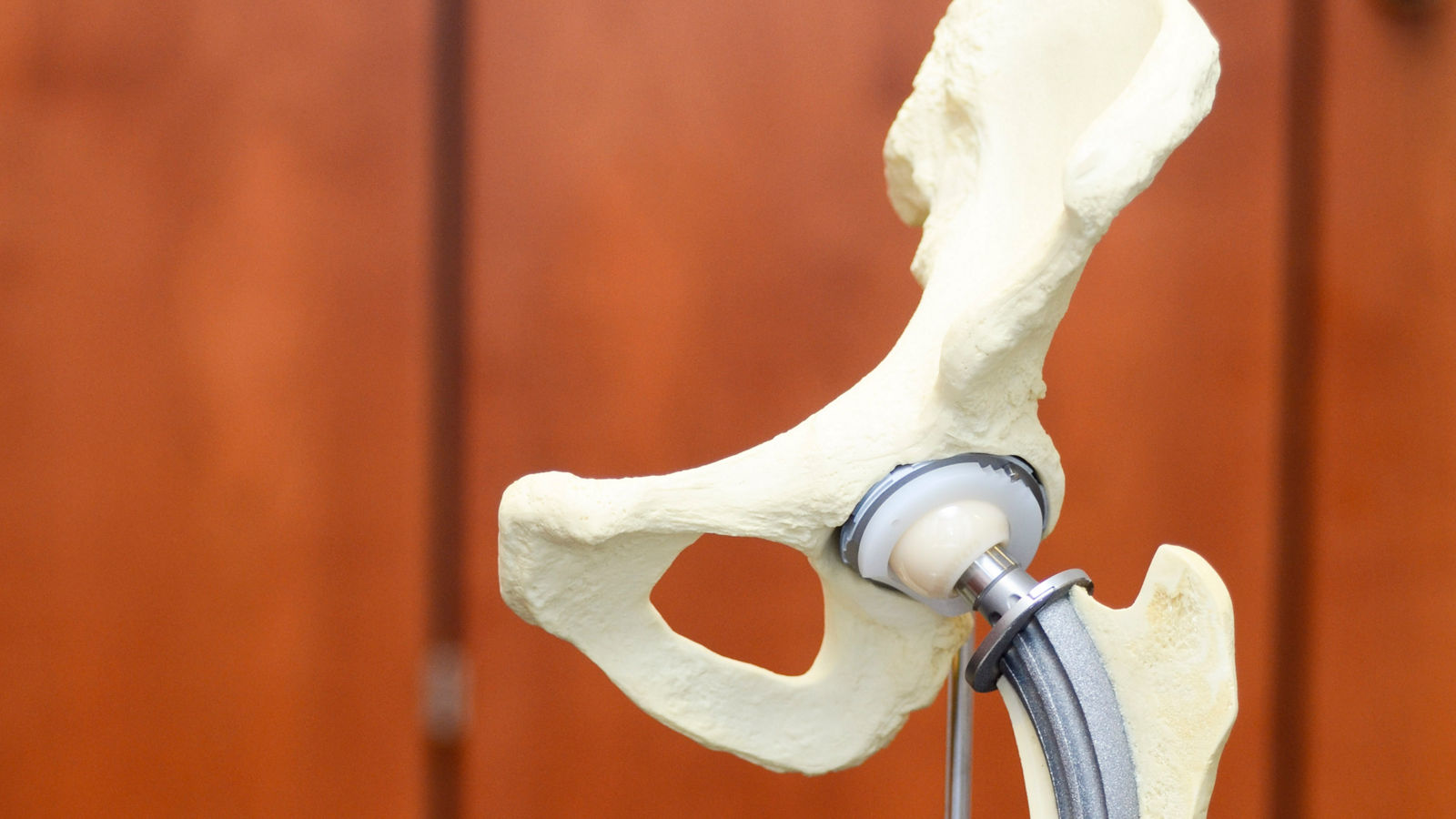
Of course, the successful development of the Ortho-Campus is based on more than personal attention alone. The team performs around 2,000 knee and hip procedures every year. Whether it is a primary joint replacement or complex revision surgery of the hip or knee, the North Rhine-Westphalia hospital plan has confirmed the hospital’s expertise across all four joint replacement service categories.
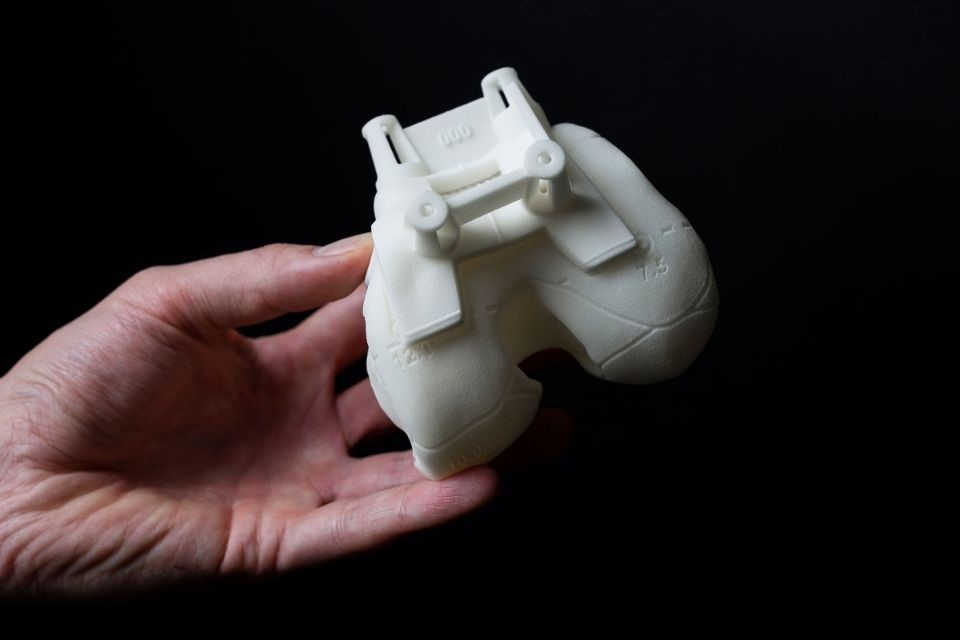
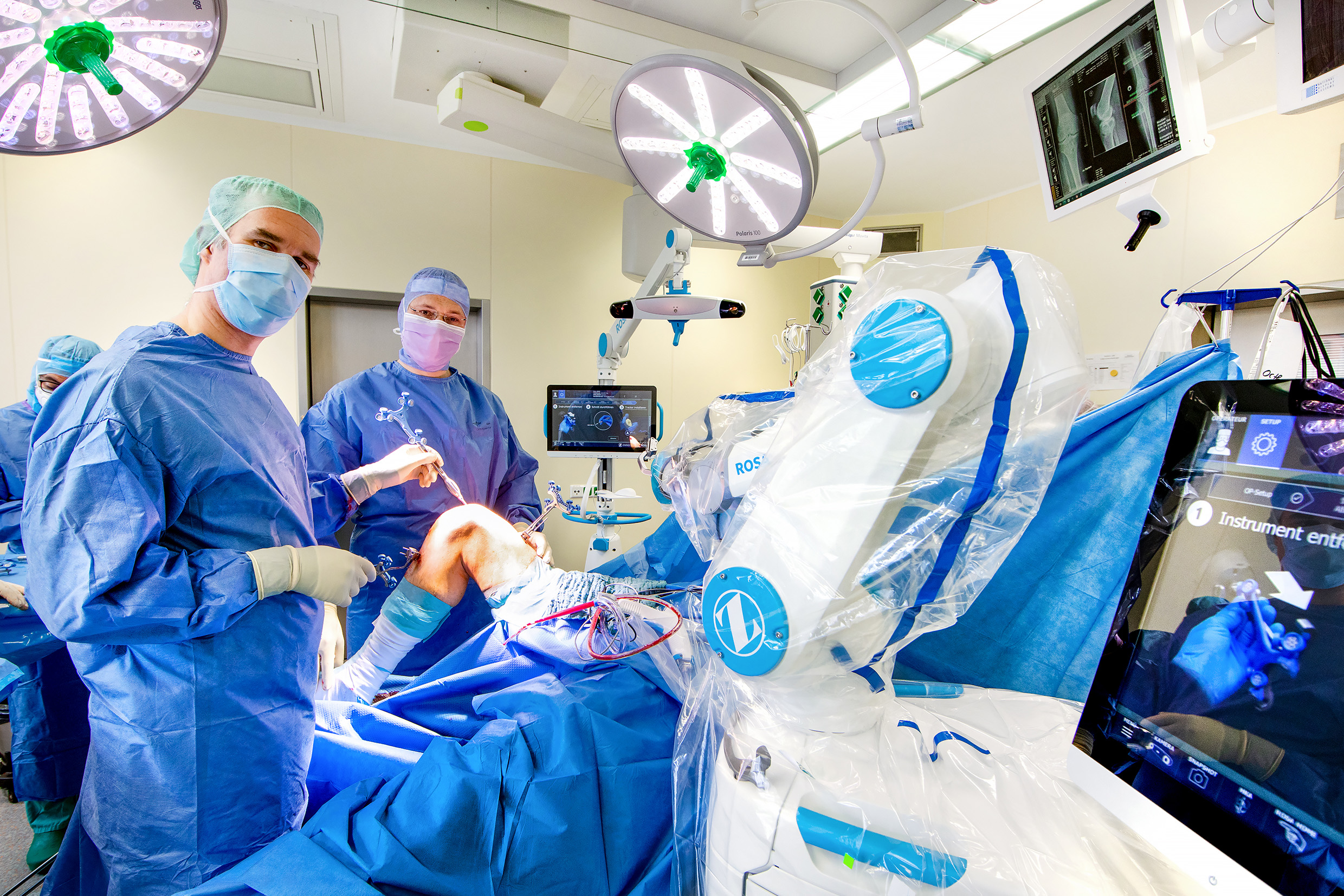
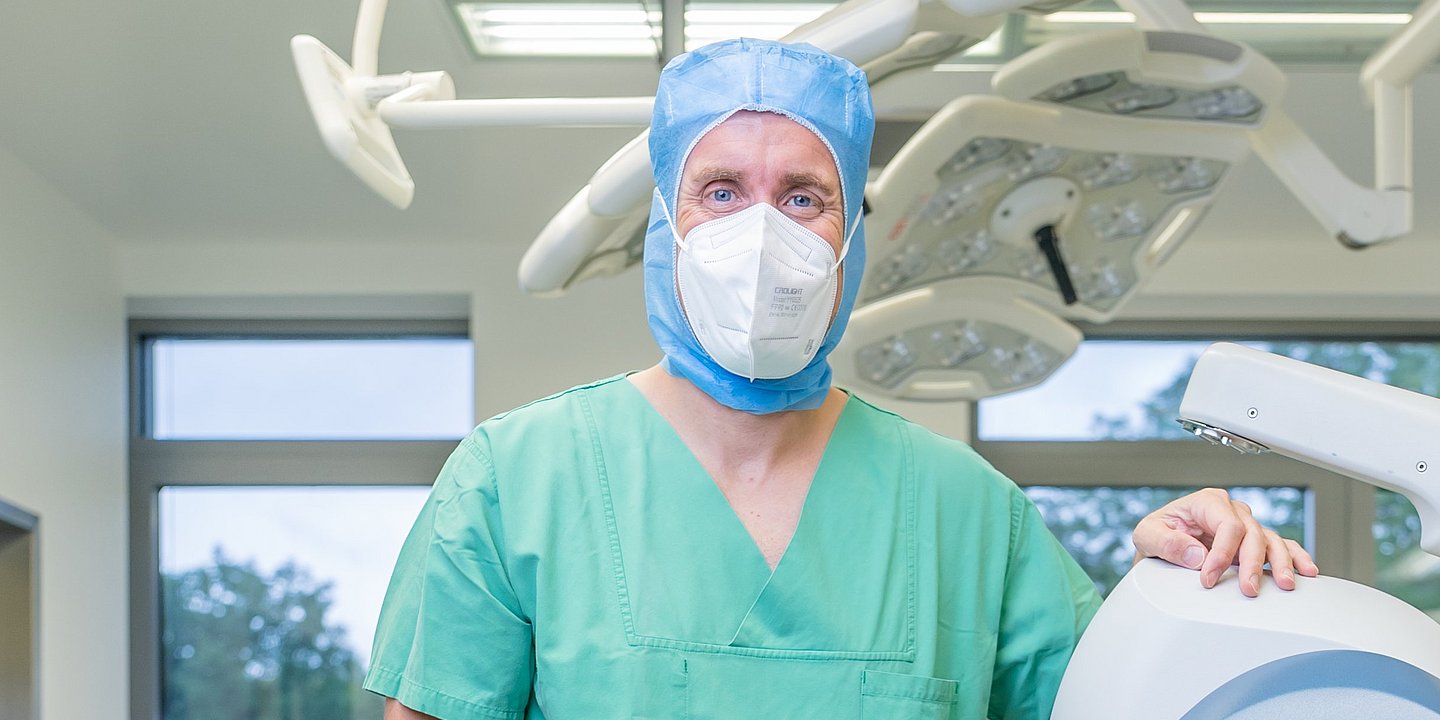
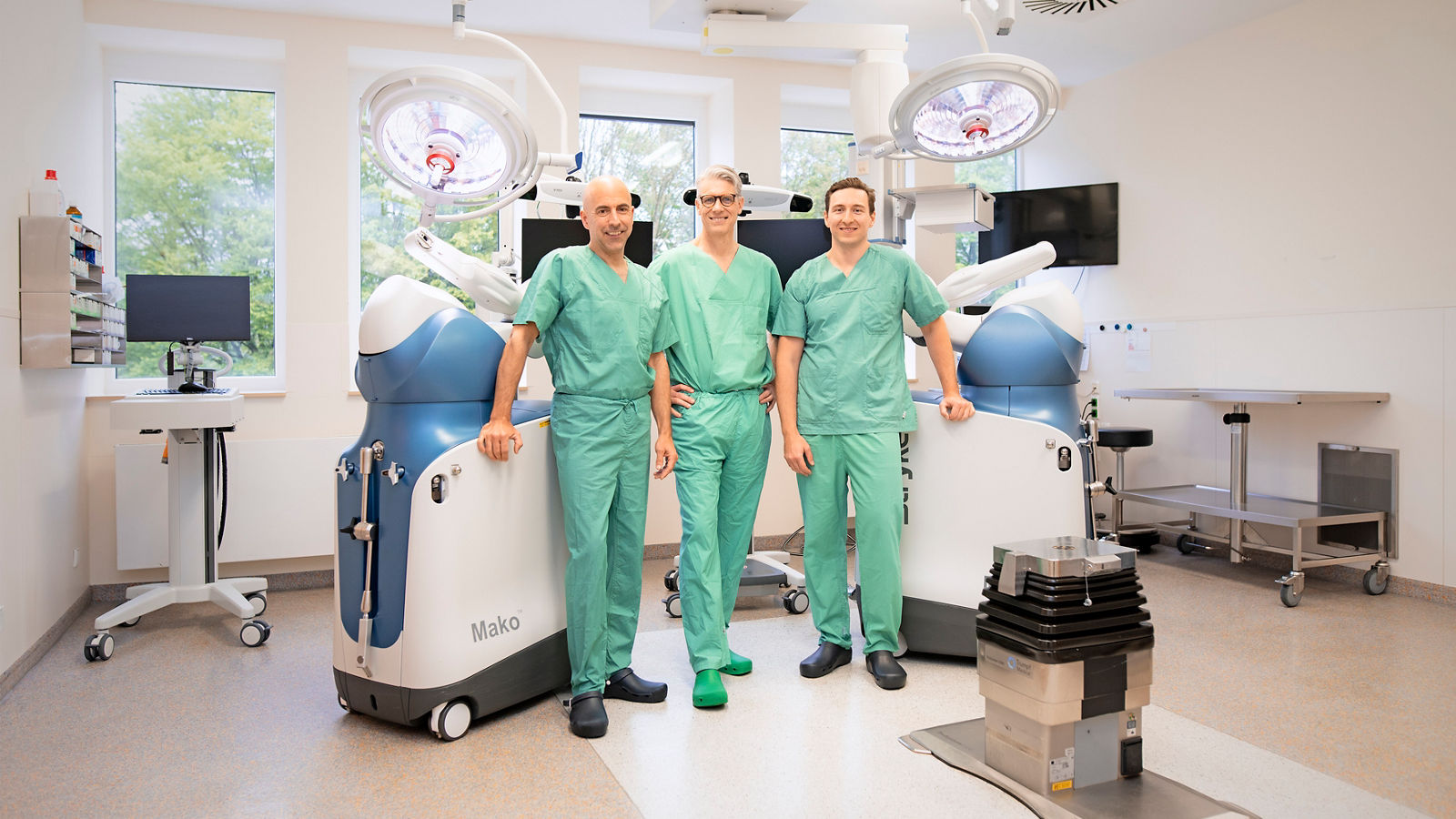
During surgery, the team consistently uses muscle- and bone-sparing techniques alongside state-of-the-art technology, including robotic-assisted surgery to achieve the highest possible level of precision. For Hachenberg, this is an unbeatable combination: “In our experience, patients have less pain and get back on their feet more quickly.”
Yet patients are not the only ones who benefit from this holistic approach. Hachenberg sees every day just how valuable regular interaction with patients can be. “Their experiences shape my work more than they may realise. Over the years, this valuable change of perspective has made me a better doctor.”
And so tomorrow, Dr Andreas Hachenberg will once again probably not take the most direct route to his destination. Instead, he will deliberately make time for one or two small detours along the way.
Read more:
Do you need more information about Helios Hospitals or want to schedule your treatment?