Diagnosis of colorectal cancer
- Symptoms of colorectal cancer
- Risk factors for colorectal cancer
- Methods for detecting colorectal cancer
- How often and at what age should colorectal screening be performed?
- Colorectal cancer diagnostics at Helios hospitals
Symptoms of colorectal cancer
The first signs of colorectal cancer are often non-specific. Possible symptoms may include cramping abdominal pain or changes in bowel habits, such as constipation or diarrhea. However, similar symptoms can also occur with other conditions, including inflammatory bowel diseases such as Crohn’s disease or ulcerative colitis, as well as hemorrhoids. For this reason, they are not always immediately associated with the presence of a tumor.
The most common possible signs include:
- changes in bowel habits, including constipation and/or diarrhea, sometimes alternating;
- visible or occult blood in the stool;
- so-called “pencil-thin stool” — unusually narrow or thin stools;
- mucus in the stool;
- unusual bowel sounds and bloating, sometimes accompanied by involuntary passage of stool;
- abdominal cramps and pain, as well as pain during bowel movements;
- palpable lumps or areas of hardness in the abdomen;
- unintentional weight loss;
- muscle weakness;
- fatigue and reduced physical performance;
- paleness;
- rapid heartbeat or an increased pulse even with mild physical exertion.
If these symptoms persist for an extended period, it is advisable to consult a doctor and undergo appropriate examinations to determine their cause.
Risk factors for colorectal cancer
The exact causes of colorectal cancer cannot always be determined. In general, the disease develops as a result of the gradual accumulation of changes in the cells lining the intestine, which over time may lead to malignant transformation. In many cases, this process takes years and may begin with the formation of benign polyps, some of which can gradually develop into cancer.
The likelihood of developing the disease depends on a combination of different factors. Some cannot be changed, such as age, hereditary predisposition, or the presence of certain genetic syndromes. Others are related to health and lifestyle, including chronic inflammatory bowel disease, type 2 diabetes, excess body weight, smoking, alcohol consumption, physical inactivity, and dietary habits.
Age
The risk of developing colorectal cancer increases with age: around 90% of all cases are diagnosed after the age of 50, and approximately three quarters occur in people aged 65 and older. Although the incidence of colorectal cancer among younger adults is increasing in Europe, the overall rate in this age group remains relatively low. An analysis of data from 20 European countries showed that between 1990 and 2016, colorectal cancer was diagnosed in 187,918 of 143.7 million people aged 20 to 49, corresponding to approximately 0.13%.
The study also found that the most pronounced increase in new cases occurred in the youngest age group analyzed — people aged 20 to 29. Between 2004 and 2016, incidence in this group increased by an average of 7.9% per year. Among people aged 30 to 39, the annual increase between 2005 and 2016 was approximately 3.9%, while among those aged 40 to 49 it was around 1.6% per year.
The reasons for the increasing incidence of colorectal cancer among younger adults have not yet been fully established. It is thought that known colorectal cancer risk factors may play a role.
Hereditary predisposition
Most diagnosed cases of colorectal cancer occur sporadically, meaning they are not associated with an inherited predisposition. However, having a family history of the disease increases the risk of developing colorectal cancer. If a first-degree relative — a parent, sibling, or child — has been diagnosed with colorectal cancer, a person’s own risk increases approximately two- to threefold. If several close relatives are affected, or if a relative was diagnosed with colorectal cancer before the age of 60, the risk may increase three- to fourfold.
In addition to familial predisposition, there are hereditary genetic syndromes that significantly increase the likelihood of developing colorectal cancer. The most common include Lynch syndrome (HNPCC) and familial adenomatous polyposis (FAP). People with these hereditary syndromes have a particularly high risk of developing the disease and are therefore generally advised to begin colorectal cancer screening at an earlier age and undergo examinations according to a specially designed surveillance program.
Intestinal polyps
Polyps of the colon and rectum are growths that develop from the intestinal lining. Most polyps are benign and may remain present for a long time without causing any symptoms. However, certain types — particularly adenomatous polyps (adenomas) and certain serrated lesions — can gradually accumulate cellular changes and may eventually develop into a malignant tumor.
The likelihood of malignant transformation depends on the type, size, number, and histological characteristics of the polyps. This process usually develops over many years, which is why timely detection and removal of precancerous lesions during colonoscopy can significantly reduce the risk of colorectal cancer. Polyps can also develop in people without any obvious risk factors, although their likelihood increases with age and in individuals with a hereditary predisposition.
Chronic inflammatory bowel disease
Chronic inflammatory bowel diseases (IBD), particularly ulcerative colitis and Crohn’s disease involving the colon, are associated with an increased risk of colorectal cancer. Long-term inflammation of the intestinal lining can gradually damage cells and lead to precancerous changes known as dysplasia, from which a malignant tumor may subsequently develop.
The level of risk depends on the duration of the disease, the extent of intestinal involvement, and the activity of the inflammatory process. In general, the risk increases with long-standing IBD and extensive involvement of the colon. Patients with these conditions may therefore be advised to follow a specialized program of regular endoscopic surveillance to detect dysplasia and early-stage colorectal cancer in a timely manner.
Overweight and obesity
Overweight and obesity are associated with an increased risk of colorectal cancer. The accumulation of visceral fat in the abdominal area may be particularly important, as adipose tissue is actively involved in the body’s metabolic and hormonal processes.
Obesity is more frequently associated with insulin resistance, elevated insulin levels, and chronic low-grade inflammation. These changes may create conditions that promote increased cell proliferation and interfere with the mechanisms that normally regulate cell growth. The risk may be further increased when excess body weight is combined with physical inactivity, type 2 diabetes, and an unbalanced diet. At the same time, obesity is a modifiable risk factor: maintaining a healthy body weight and engaging in regular physical activity are among the measures that can help reduce the risk of colorectal cancer.
Lifestyle and harmful habits
Certain lifestyle factors can increase the risk of developing colorectal cancer. These include smoking, regular consumption of large amounts of alcohol, insufficient physical activity, and certain dietary habits. Unlike age or hereditary predisposition, these are modifiable risk factors that can be influenced through lifestyle changes.
Smoking involves exposure to carcinogenic substances that can contribute to DNA damage and malignant cellular changes. Excessive alcohol consumption is also associated with an increased risk of colorectal cancer, with the risk generally rising as alcohol intake increases. Diet also plays an important role: frequent consumption of red and especially processed meat, as well as insufficient intake of foods rich in dietary fiber, has been associated with a higher risk of the disease. Physical inactivity may further increase the risk, both directly and by contributing to weight gain and metabolic disorders.
Regular physical activity, a balanced diet containing sufficient fiber, vegetables, fruit, and whole grains, avoiding smoking, and limiting alcohol consumption are among the measures that can help reduce the risk of developing colorectal cancer.
Methods for detecting colorectal cancer
Colorectal cancer screening methods differ depending on whether they are intended solely for the early detection of colorectal cancer or can also identify benign precancerous lesions. The guidelines of the Association of the Scientific Medical Societies recommend the following four screening methods: colonoscopy, sigmoidoscopy, chemical stool testing, and the immunochemical fecal occult blood test (iFOBT).
Colonoscopy
Colonoscopy is the only method that allows doctors to detect and simultaneously remove both colorectal cancer and its benign precursors (polyps) throughout the colon and rectum. It is therefore one of the most widely used methods for colorectal cancer screening and early detection.
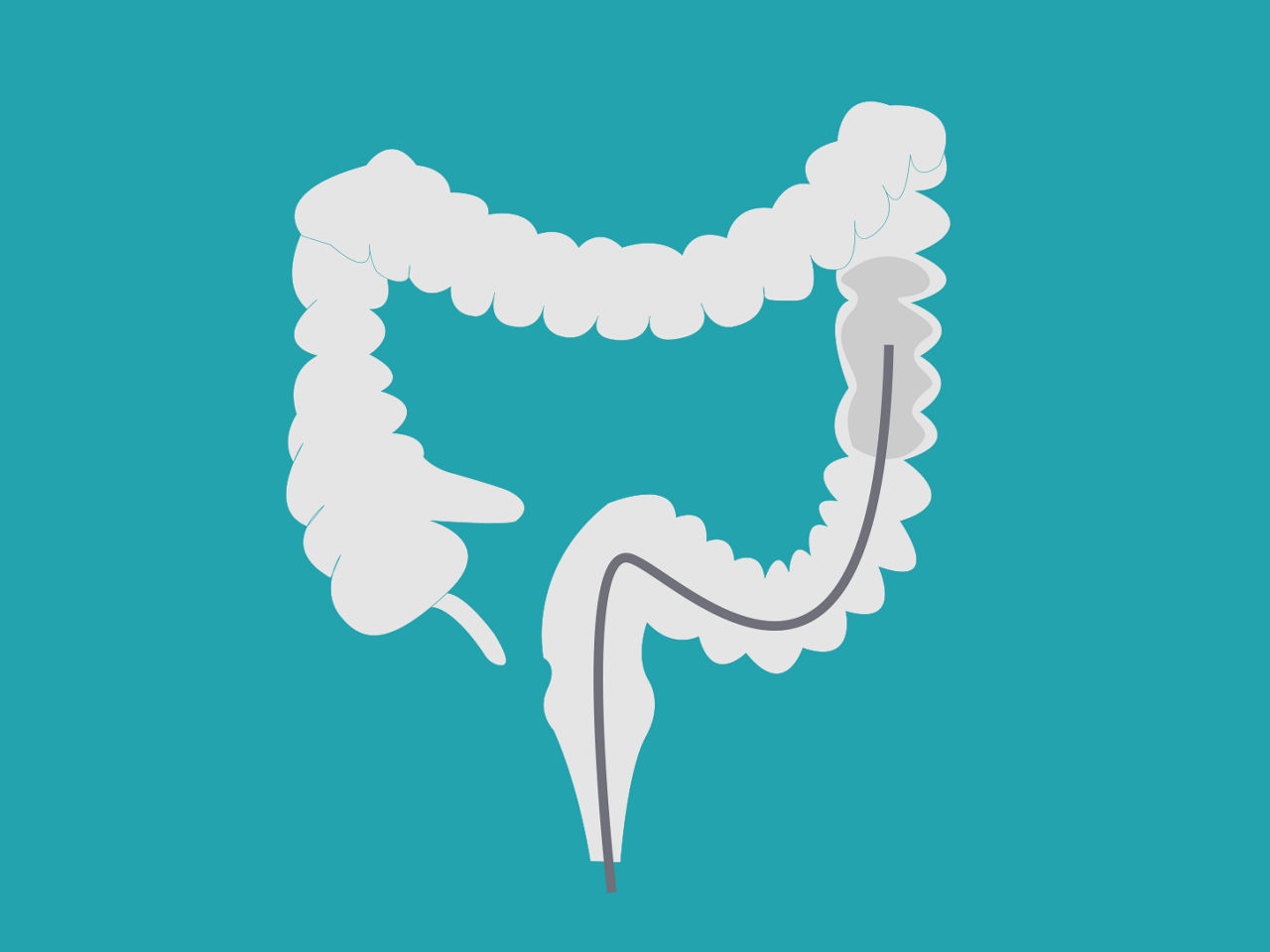
During a colonoscopy, the patient is usually given short-acting sedation or anesthesia. An endoscope — a flexible, finger-thick tube equipped with a camera and light source — is inserted into the colon and advanced to the beginning of the small intestine. The physician then slowly withdraws the endoscope while carefully examining the lining of the colon. If polyps are detected, they can usually be removed immediately. Tissue samples can also be taken from suspicious or unclear areas of the intestinal lining and subsequently examined histologically by biopsy.
“A tumor in the bowel can grow unnoticed for a long time and often does not cause symptoms until it has reached a size of several centimeters. However, during a colonoscopy, it can be detected when it is only one or two millimeters in size.”
— Prof. Dr. med. Jörg-Peter Ritz, Chief Physician of General and Visceral Surgery and Medical Director at Helios Hospital Schwerin.
To ensure a clear view of the intestinal lining, the bowel must be completely emptied before the procedure. Patients therefore drink a special bowel-cleansing solution as part of the preparation.
Read the interview: Colonoscopy as a Way to Prevent Disease ⟶
Sigmoidoscopy
During a sigmoidoscopy, only the last 40–60 centimeters of the large intestine — primarily the sigmoid and descending colon — are examined using a flexible endoscope. The examination takes only a few minutes and can be performed under sedation.
Sigmoidoscopy may be an option for people who do not wish to undergo a full colonoscopy. Preparation is generally less extensive because complete bowel cleansing with a special solution is not required. Instead, the lower part of the bowel is usually cleansed with an enema shortly before the examination.
During sigmoidoscopy, polyps can be removed and samples of suspicious tissue can be taken for further examination. However, because only the lower portion of the colon is examined, polyps or malignant tumors located higher in the colon may remain undetected.
Chemical stool test
The so-called guaiac test (gFOBT) is a fecal occult blood test that uses a biochemical reaction to detect invisible traces of blood in the stool.
Patients collect the samples themselves at home. They are provided with three special test cards, onto each of which two samples from three consecutive bowel movements are applied. The cards are then returned to the medical facility, where the test is performed and the results are evaluated.
In principle, the chemical stool test can be used in a wide range of patients. However, its relatively high likelihood of false results must be taken into account. The test does not react exclusively to human blood. Certain foods, such as red meat, broccoli, or tomatoes, as well as some medications, particularly those containing acetylsalicylic acid (ASA), can affect the results.
In addition, intestinal polyps and colorectal tumors may not bleed continuously. Therefore, a negative fecal occult blood test cannot completely rule out the presence of polyps or a malignant tumor.
Immunochemical stool test
The fecal immunochemical test (iFOBT or FIT) is a modern test designed to detect invisible (occult) blood in the stool. It specifically detects human hemoglobin.
Patients collect a stool sample themselves at home using a special test kit. The sample should preferably be returned to the medical facility no later than the following day, after which it is sent to a laboratory for analysis.
The immunochemical stool test is suitable for most people. However, its diagnostic accuracy may be reduced in patients taking proton pump inhibitors (PPIs). In addition, the test can only detect the presence of occult blood in the stool; it cannot determine the cause of the bleeding. Therefore, if an iFOBT result is positive, a full colonoscopy is recommended for further investigation.
How often and at what age should colorectal screening be performed?
If there are no symptoms or risk factors, such as a family history of colorectal cancer, inherited genetic mutations, or chronic inflammatory bowel disease, starting colorectal cancer screening at the age of 50 is generally considered sufficient. If a full colonoscopy reveals no abnormalities, a repeat examination is recommended after 10 years. If sigmoidoscopy shows no abnormal findings, the guidelines of the AWMF (Association of the Scientific Medical Societies in Germany) recommend repeating the examination after five years.
Because stool tests are less reliable diagnostically, they should be performed more frequently.
In people with a family history of colorectal cancer, the first colonoscopy is recommended 10 years before the age at which a first-degree relative was diagnosed with colorectal cancer, but no later than the age of 40.
For people with chronic inflammatory bowel disease, U.S. guidelines recommend starting regular colonoscopic surveillance from the eighth year after disease onset.
If a specific hereditary genetic mutation is known to run in the family, preventive examinations usually begin even earlier. For example, patients with confirmed familial adenomatous polyposis (FAP) — an inherited condition characterized by the development of numerous polyps in the lining of the colon — are recommended to undergo annual sigmoidoscopy from the age of 10. If intestinal polyps are detected, a full colonoscopy should follow.
People with Lynch syndrome (HNPCC) are recommended to begin colorectal cancer screening, including full colonoscopy, from the age of 25. Because Lynch syndrome can also be associated with an increased risk of tumors in other organs, patients are offered early screening examinations of the esophagus, stomach, and duodenum. Women are additionally advised to undergo screening for the early detection of endometrial and ovarian cancer.
Colorectal Cancer Screening for Patients with Lynch Syndrome According to German Clinical Guidelines:
Before the age of 25:
- genetic counseling.
From the age of 25:
- annual physical examination;
- annual colonoscopy;
- for women: annual gynecological examination, including transvaginal ultrasound.
From the age of 35:
- regular esophagogastroduodenoscopy (EGD);
- for women: annual endometrial biopsy.
Colorectal cancer diagnostics at Helios hospitals
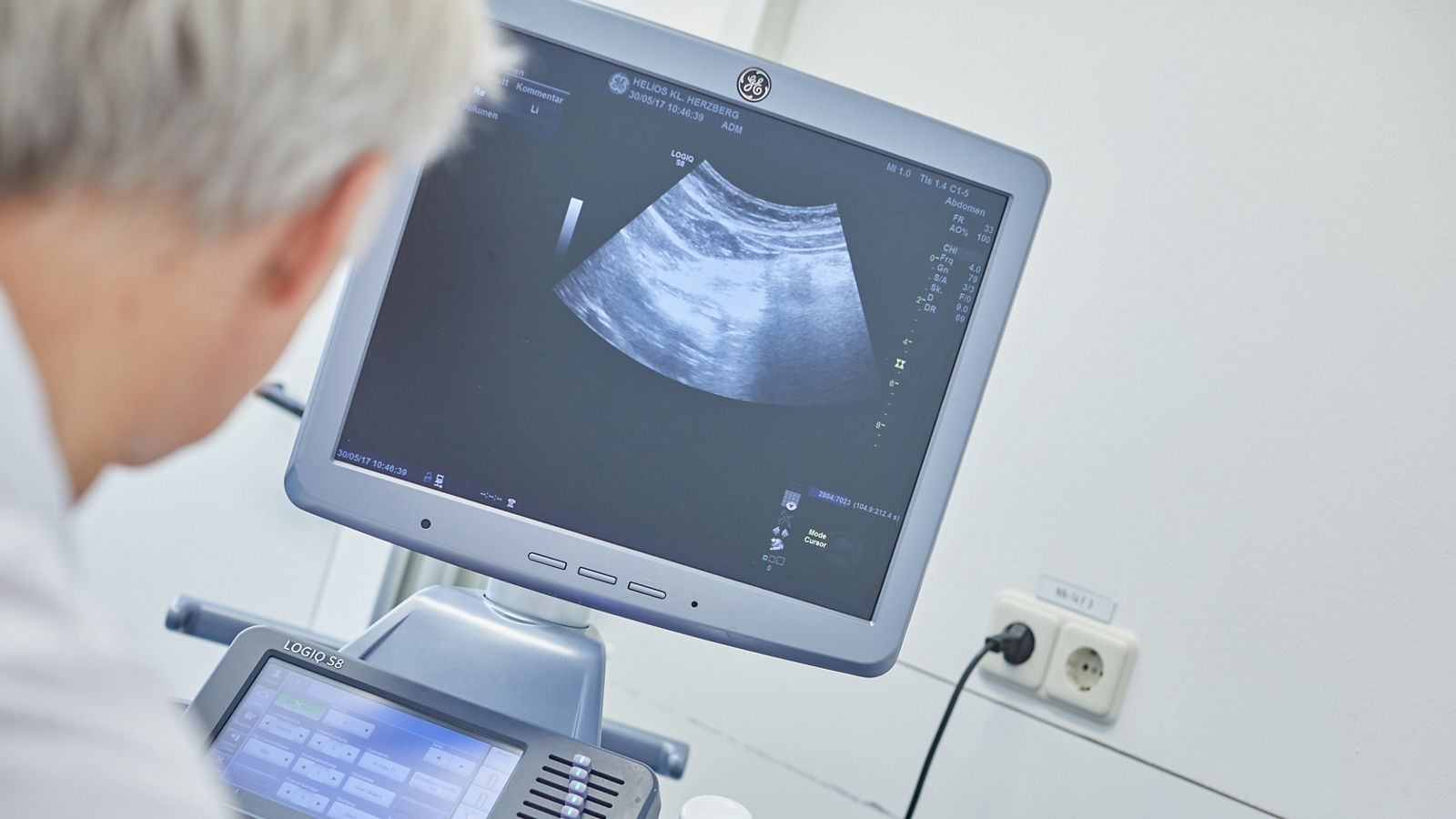
At specialized Helios centers, colorectal cancer diagnostics include endoscopic examinations, histological analysis, and modern imaging techniques. During a colonoscopy, specialists can not only identify suspicious changes but also immediately remove polyps or take tissue samples for biopsy. If cancer is confirmed, CT, MRI, ultrasound, and, when indicated, PET/CT can be used to determine the stage and extent of the disease.
At major Helios cancer centers, standard diagnostics can be complemented by molecular tumor profiling. For example, Helios University Hospital Wuppertal uses Next Generation Sequencing (NGS) and liquid biopsy to identify molecular alterations that may be relevant when selecting personalized therapies. At Helios Hospital Berlin-Buch, the hospital’s radiology and nuclear medicine capabilities provide access to advanced imaging, including PET/CT when clinically indicated. DKD Helios Hospital Wiesbaden also specializes in comprehensive diagnostics for intestinal diseases, offering colonoscopy with polyp removal and biopsy, endoscopic ultrasound, modern CT and MRI, and, in cooperation with nuclear medicine, PET/CT. The clinic also has a specialized Department of Surgery and Coloproctology, whose diagnostic expertise includes the detection and staging of malignant colorectal tumors.
If you are interested in arranging diagnosis or treatment at one of the Helios hospitals, you can submit a request using the contact form on our website or contact us via the email address provided at the top of the website.
Learn more about arranging treatment at Helios hospitals ⟶
Do you need more information about Helios Hospitals or want to schedule your treatment?