
Helios Dr. Horst Schmidt Hospital Wiesbaden
General Info
Helios Dr. Horst Schmidt Hospital Wiesbaden (HSK Wiesbaden) is the largest tertiary care hospital in Wiesbaden and one of the largest hospitals in the federal state of Hesse. The hospital treats approximately 136,000 patients annually, including about 97,000 outpatients, 37,000 inpatients, and 1,700 day-care patients. The facility has a capacity of 927 inpatient beds.
In 2024, HSK commissioned a new hospital complex with a total area of approximately 100,000 m², comprising 3,500 rooms and its own helipad. More than €300 million was invested in the construction of the new facility, which is currently regarded as one of the largest and most technologically advanced hospital projects in Germany.
In 2025, Helios Dr. Horst Schmidt Hospital achieved 40 out of 44 corporate clinical quality indicators (90.9%), demonstrating particularly strong performance in cardiology, vascular surgery, stroke care, and abdominal surgery. These results reflect the hospital’s high treatment effectiveness and consistently strong quality of care, with performance indicators in most clinical areas exceeding the national average in Germany.
More about the hospital
Helios Dr. Horst Schmidt Hospital Wiesbaden provides care across 25 medical specialties, represented by 39 departments and 24 centers and institutes. In addition, the hospital’s infrastructure includes 22 operating rooms, including a hybrid operating room and a robot-assisted operating room equipped with the da Vinci Xi system, 3 cardiac catheterization laboratories, 6 delivery rooms, 2 operating rooms dedicated to emergency cesarean sections, and a state-of-the-art medical imaging center.
The hospital is supported by a workforce of approximately 3,500 employees, including around 850 physicians, 1,400 nurses, 700 allied healthcare professionals, and 600 administrative and technical staff. HSK is also an academic teaching hospital affiliated with Johannes Gutenberg University Mainz, bringing together dozens of professors and leading medical experts who provide highly specialized care for complex clinical cases.
Main medical specialties:
Otorhinolaryngology
The Department of Otorhinolaryngology, Head and Neck Surgery at HSK Wiesbaden provides a full range of conservative and surgical treatments for diseases of the ear, nose, throat, paranasal sinuses, larynx, and neck. The department also includes a specialized Hearing Center that provides diagnosis and treatment of hearing disorders in both adults and children.
Key technologies and procedures include: endoscopic sinus and nasal surgery, endonasal skull base surgery, middle ear surgery, hearing-restoration microsurgery, cochlear implantation (CI), head and neck tumor surgery, laryngeal and vocal cord surgery, treatment of balance and vestibular disorders.
The diagnostic infrastructure includes: pure-tone and speech audiometry, tympanometry, otoacoustic emissions (OAE), brainstem evoked response audiometry (BERA), videonystagmography, posturography, electroneurography, pediatric audiological diagnostics.
The department is one of the regional centers for cochlear implantation and publishes annual quality reports on its cochlear implant programs.
Cardiology and cardiac surgery
The Department of Cardiology and Cardiac Surgery is one of HSK Wiesbaden’s key clinical specialties and forms part of the regional cardiovascular center. Its infrastructure includes three state-of-the-art cardiac catheterization laboratories, a hybrid operating room, a Chest Pain Unit, and a Cardiac Arrest Center. Each year, the department performs thousands of diagnostic and therapeutic procedures, including coronary angiography, percutaneous coronary interventions (PCI), implantation of pacemakers, ICD and CRT devices, electrophysiological studies, catheter ablation of cardiac arrhythmias, TAVI, MitraClip, and other structural heart interventions.
The cardiac surgery division performs coronary artery bypass grafting (CABG), heart valve replacement and reconstruction, aortic surgery, and combined cardiovascular procedures. The department demonstrates outstanding clinical outcomes: in 2025 it achieved all 7 of 7 corporate cardiology quality indicators, with mortality for heart failure patients at 1.5% compared to a target value of 8.9%, mortality following therapeutic catheter-based interventions at 0.2% versus a target of 1.3%, and 0% mortality following atrial ablation procedures.
Pulmonology and thoracic surgery
The Department of Pulmonology and Thoracic Surgery at HSK Wiesbaden specializes in the diagnosis and treatment of diseases of the lungs, airways, and thoracic organs. The department includes a Lung Center and a Lung Cancer Center, both of which are part of the hospital’s certified Comprehensive Cancer Center.
The main areas of treatment include: lung cancer and mediastinal tumors, chronic obstructive pulmonary disease (COPD), bronchial asthma, interstitial lung diseases, pulmonary infections, pleural disorders, sleep-related breathing disorders.
Key procedures and technologies include: bronchoscopy, endobronchial ultrasound (EBUS), endoscopic tumor diagnostics and staging, video-assisted thoracoscopic surgery (VATS), anatomical lung resections, lobectomy, segmentectomy, mediastinal tumor surgery, pleural surgery.
The department is one of the leading regional centers for lung cancer treatment and provides a full continuum of care, from diagnosis and molecular tumor profiling to surgical and systemic oncological treatment.
Oncology
The certified Oncology Center at HSK Wiesbaden is one of the largest cancer centers in the Rhine-Main region. It comprises 12 certified organ-specific cancer centers, including centers specializing in breast cancer, colorectal cancer, lung cancer, prostate cancer, pancreatic cancer, gastric cancer, and gynecological malignancies. Several thousand oncology patients receive treatment at the center each year.
The center provides a full spectrum of oncological care, including molecular diagnostics, chemotherapy, immunotherapy, targeted therapy, radiation therapy, robot-assisted surgery using the da Vinci Xi system, advanced minimally invasive procedures, and palliative care. Treatment is delivered by multidisciplinary teams, with all complex cases reviewed by dedicated tumor boards involving oncologists, surgeons, radiologists, pathologists, and radiation oncology specialists.
The center’s infrastructure is integrated with a state-of-the-art diagnostic platform including CT, MRI, PET/CT, endoscopic technologies, and interventional procedures, enabling comprehensive cancer diagnosis, staging, and treatment within a single medical campus.
Vascular surgery and angiology
The Department of Vascular Surgery and Angiology at HSK Wiesbaden specializes in the diagnosis and treatment of arterial, venous, and lymphatic diseases and is part of a certified Vascular Center. The department provides the full spectrum of conservative, endovascular, and open surgical treatment for vascular disorders.
Its main areas of expertise include the treatment of aortic aneurysms, carotid artery stenosis, peripheral arterial disease, diabetic foot syndrome, chronic limb ischemia, venous diseases, and vascular complications. Procedures performed include endovascular aortic repair (EVAR and TEVAR), angioplasty and arterial stenting, carotid endarterectomy, bypass surgery, hybrid vascular procedures, and surgical treatment of varicose veins.
The department’s infrastructure includes a hybrid operating room, an advanced angiography suite, vascular ultrasound diagnostics, CT and MR angiography, and close multidisciplinary collaboration with cardiology, interventional radiology, diabetology, and intensive care medicine. In 2025, the department achieved all 7 of 7 corporate quality indicators, demonstrating zero postoperative mortality across several categories of vascular interventions.
Neurology and neurosurgery
The Department of Neurology and Neurosurgery at HSK Wiesbaden is one of the leading centers for the treatment of central and peripheral nervous system disorders in the Rhine-Main region. The department provides 24/7 care for patients with acute neurological conditions and operates a specialized Stroke Center dedicated to stroke treatment.
Its main areas of expertise include ischemic and hemorrhagic stroke, cerebral aneurysms, brain and spinal tumors, degenerative spinal disorders, epilepsy, multiple sclerosis, Parkinson’s disease, neuromuscular disorders, and vascular diseases of the nervous system. The department performs thrombolysis, mechanical thrombectomy, microsurgical treatment of aneurysms, resection of brain and spinal tumors, spinal surgery, neuronavigation-guided procedures, and minimally invasive neurosurgical interventions.
The infrastructure includes a certified Stroke Center, a specialized neurocritical care unit, a biplane neuroangiography system, advanced CT and MRI facilities, a neurophysiology laboratory, and a 24/7 endovascular service. Approximately 2,000 patients are treated annually through the Stroke Center, with care delivered through close collaboration between neurologists, neurosurgeons, interventional radiologists, and intensive care specialists.
Gastroenterology
The Department of Gastroenterology at HSK Wiesbaden specializes in the diagnosis and treatment of diseases of the gastrointestinal tract, liver, biliary system, pancreas, and metabolic disorders. The department is part of the Internal Medicine Division and represents one of the hospital’s key clinical specialties.
The department performs a full range of diagnostic and therapeutic endoscopic procedures, including gastroscopy, colonoscopy, endoscopic mucosal resection (EMR), endoscopic submucosal dissection (ESD), endoscopic retrograde cholangiopancreatography (ERCP), endoscopic ultrasound (EUS), biliary stenting, and minimally invasive interventional procedures. Major treatment areas include inflammatory bowel disease, liver cirrhosis and other liver diseases, gastrointestinal malignancies, pancreatic disorders, gallstone disease, and functional gastrointestinal disorders.
The department’s infrastructure includes a modern endoscopy center, specialized laboratories, ultrasound and functional diagnostic facilities, and close integration with the Comprehensive Cancer Center, visceral surgery, radiology, and pathology. Its multidisciplinary approach ensures comprehensive diagnosis and treatment for patients with complex digestive system diseases.
Gynecology and obstetrics
The Department of Gynecology and Obstetrics at HSK Wiesbaden is one of the largest specialized women’s health centers in the region and forms part of the Mother and Child Center. The department specializes in gynecological diseases, gynecologic oncology, pelvic surgery, and comprehensive pregnancy and childbirth care, including high-risk pregnancies.
The department performs minimally invasive laparoscopic and hysteroscopic procedures, robot-assisted surgery using the da Vinci Xi system, surgical treatment of gynecologic cancers, and operations for endometriosis, uterine fibroids, and pelvic organ prolapse. The obstetrics division provides comprehensive prenatal, delivery, and postnatal care, including prenatal diagnostics, management of multiple pregnancies, and treatment of patients with severe comorbidities.
The infrastructure includes a Level I Perinatal Center — the highest level of perinatal care available in Germany — with six delivery rooms, two operating rooms dedicated to emergency cesarean sections, and a neonatal intensive care unit (NICU). The center ensures round-the-clock collaboration between obstetricians, neonatologists, anesthesiologists, and pediatric surgeons. More than 2,000 births take place at HSK each year, making it one of the leading obstetric centers in the region.
Pediatrics
The Department of Pediatrics at HSK Wiesbaden provides specialized medical care for children and adolescents from birth to 18 years of age and is part of the Mother and Child Center. The department includes units for general pediatrics, pediatric gastroenterology, pediatric pulmonology, pediatric cardiology, neonatology, pediatric intensive care, and specialized neonatal care.
Its primary areas of expertise include respiratory diseases, gastrointestinal disorders, cardiovascular diseases, endocrine disorders, infectious diseases, and the care of premature and critically ill newborns. The department performs a wide range of diagnostic procedures, including echocardiography, pulmonary function testing, endoscopy, ultrasound diagnostics, and advanced patient monitoring.
The pediatric service is integrated with a Level I Perinatal Center, representing the highest level of neonatal care in Germany. Its infrastructure includes a neonatal intensive care unit, specialized wards for premature infants, advanced diagnostic equipment, and continuous multidisciplinary collaboration with obstetrics, pediatric surgery, anesthesiology, and other specialized departments.
Urology
The Department of Urology at HSK Wiesbaden specializes in the diagnosis and treatment of urinary tract disorders and diseases of the male reproductive system and serves as one of the region’s centers for robot-assisted uro-oncology. Key areas of expertise include prostate, kidney, and bladder cancer, urolithiasis, benign prostatic hyperplasia, reconstructive urology, neurourology, and the treatment of urinary dysfunction.
The department performs robot-assisted surgery using the da Vinci Xi system, radical prostatectomy, partial and radical nephrectomy, cystectomy, endoscopic bladder tumor resection, ureteroscopy, percutaneous nephrolithotomy (PCNL), laser lithotripsy, and reconstructive urinary tract procedures. The department actively utilizes minimally invasive and organ-preserving treatment techniques.
Its infrastructure includes a modern surgical suite, a robotic surgery center, advanced endoscopic facilities, a urodynamics laboratory, ultrasound and imaging diagnostics, and close collaboration with the Comprehensive Cancer Center, radiology, and pathology. In 2025, the department achieved 4 of 5 corporate quality indicators, while mortality following radical prostatectomy and transurethral prostate surgery remained at 0%.
Medical Care
The status of Helios HSK Wiesbaden as a maximum-care hospital ensures the availability of all major medical specialties, highly specialized physicians, and the capability to perform complex and high-tech surgical procedures, including cardiac and vascular surgery, neurosurgical operations on the brain and spinal cord, advanced oncological surgery, transplant and reconstructive procedures, as well as the treatment of severe multiple trauma and other highly complex medical conditions.
Helios Dr. Horst Schmidt Hospital Wiesbaden has among others the following major medical departments:
- Abdominal Center
- Allergy Center
- Angiology
- Breast Center
- Cardiac Electrophysiology
- Cardiology
- Comprehensive Cancer Center
- Dermatology and Allergology
- Diabetes Center
- Endocrine Surgery
- Endoprosthetics
- Gastroenterology, Hepatology, and Endocrinology
- General and Visceral Surgery
- Gynecological Cancer Center
- Gynecology
- Head and Neck Cancer Center
- Hearing Center
- Hematology, Oncology and Palliative Care
- Laboratory Diagnostics and Hygiene
- Leukemia and Lymphoma Center
- Lung Cancer Center
- Lung Center
- Mother and Child Center
- Nephrology and Hypertension Medicine
- Neurology
- Nuclear Medicine
- Ophthalmology
- Oral and Maxillofacial Surgery
- Orthopedics, Trauma, and Hand Surgery
- Otorhinolaryngology
- Pancreas Center
- Pathology and Cytology
- Pediatric Surgery
- Pediatrics and Adolescent Medicine
- Phoniatrics and Pediatric Audiology
- Plastic, Reconstructive and Aesthetic Surgery
- Prostate Center
- Psychosomatic Medicine and Psychotherapy
- Pulmonology
- Radiology and Neuroradiology
- Rheumatology
- Robotic Surgery Center
- Shunt Surgery
- Skin Cancer Center
- Spine and Neurosurgery
- Swallowing Disorders Center
- Thoracic Surgery
- Tumor Center
- Urology and Pediatric Urology
- Vascular Medicine
Hospitality
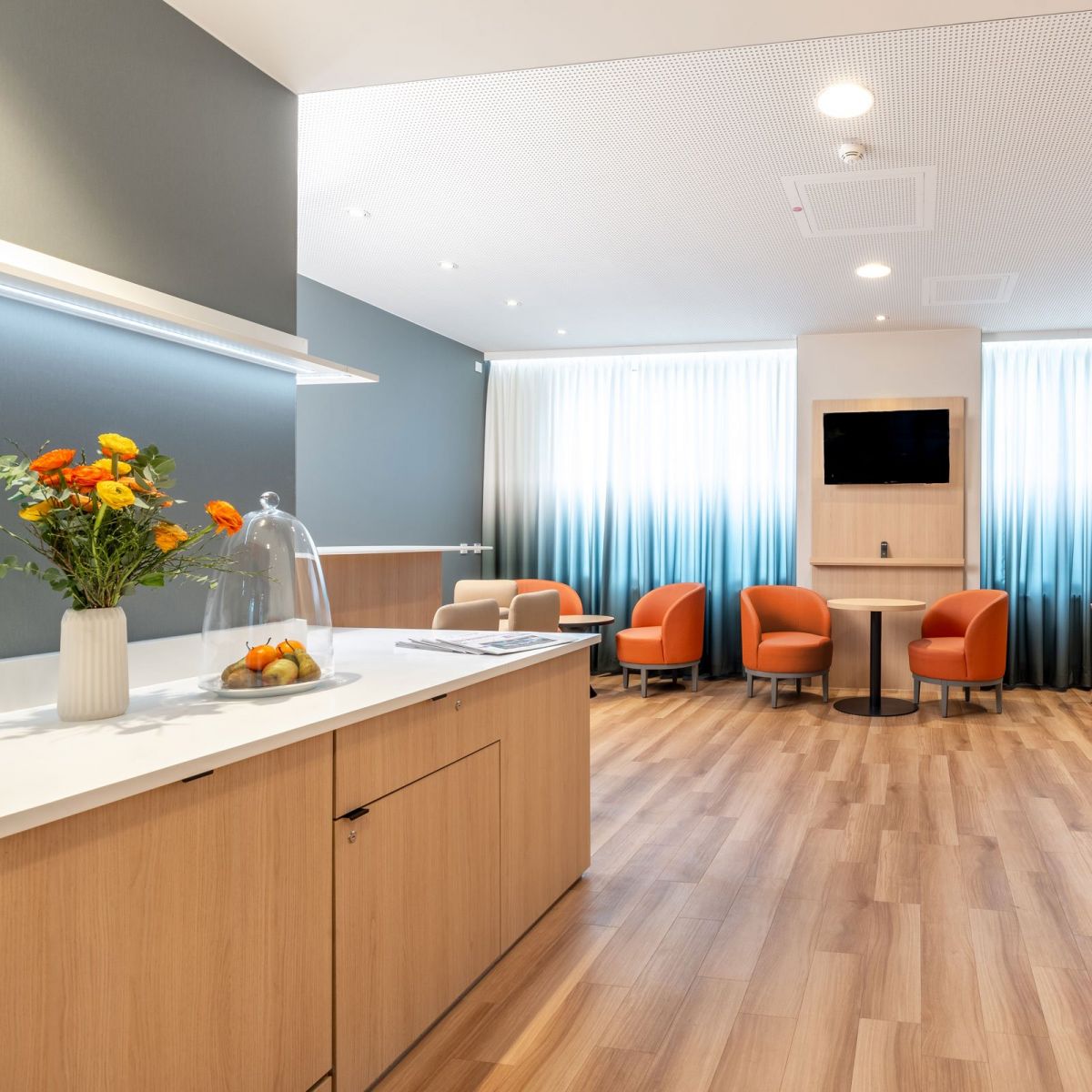
We want you to feel at home during your stay at Helios Hospital. For our international patients, we offer a range of additional services and amenities designed to ensure a comfortable stay and support a smooth recovery. Our staff will take special care of you throughout your treatment, making every effort to ensure that your experience with us is as pleasant as possible.
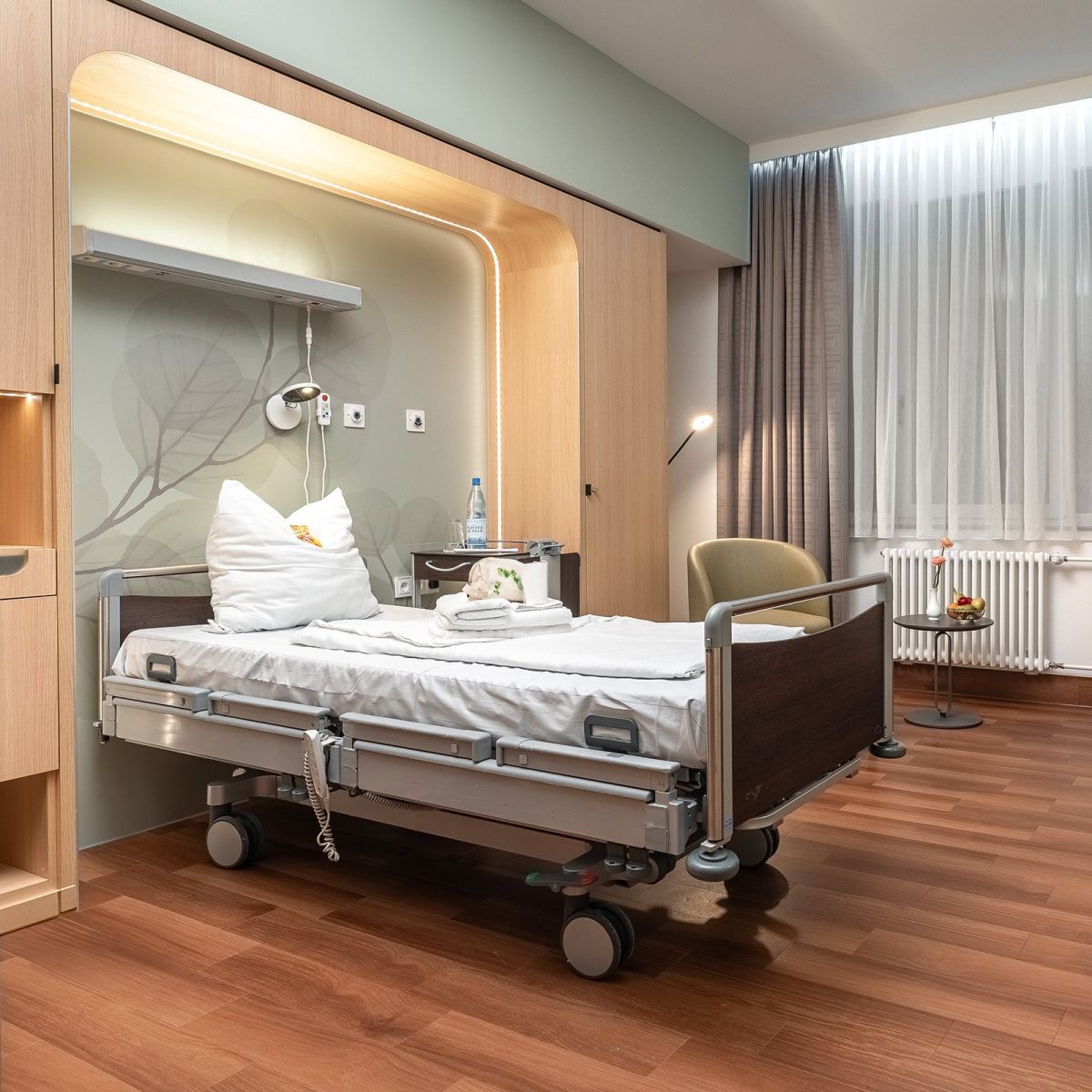
Our comfortable and spacious patient rooms are equipped with everything necessary to meet the standards of both a modern hospital and a relaxing living environment. The rooms provide ample space for visits from family and friends in a setting that resembles a hotel rather than a traditional hospital ward.
Should you have any requests or special needs during your stay, the International Office team will always be available to assist you. We strive to address all questions and concerns promptly, ensuring that your stay with us is as convenient and stress-free as possible.
Room options:
- Choice of a single or double room
Bathroom:
- Spacious private bathroom with toilet, shower, large mirror, and ample storage space
- Bath and hand towels
- Bathrobes
- Hairdryer
- Complimentary toiletries
In-Room amenities:
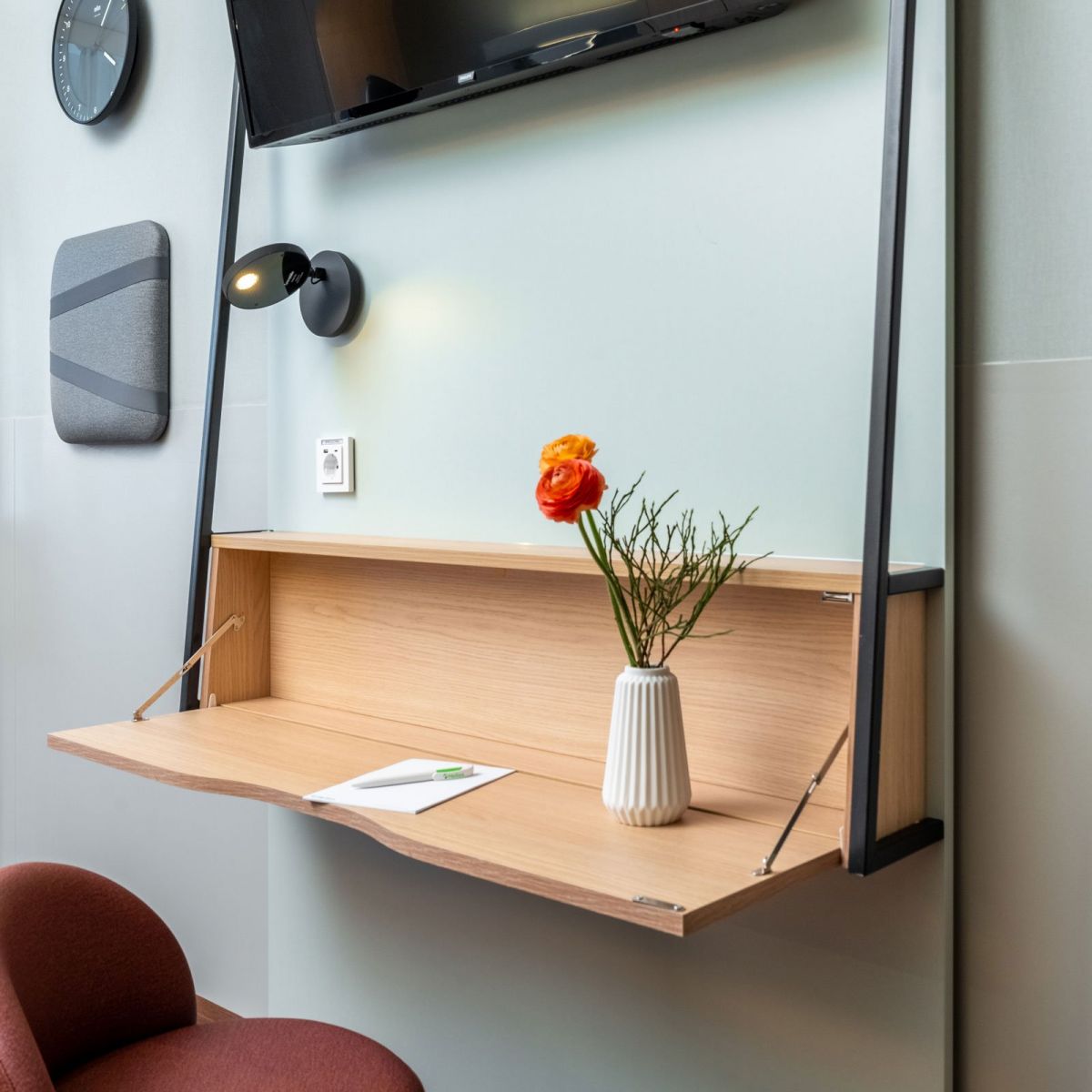
- Telephone
- Flat-screen TV with Sky satellite channels
- Personal safe
- Complimentary Wi-Fi
Additional services:
- Complimentary minibar with a selection of non-alcoholic beverages
- Coffee machine
- Complimentary laundry service
- Daily newspaper service
- Upon request: daily replacement of bath and hand towels, as well as bed linen
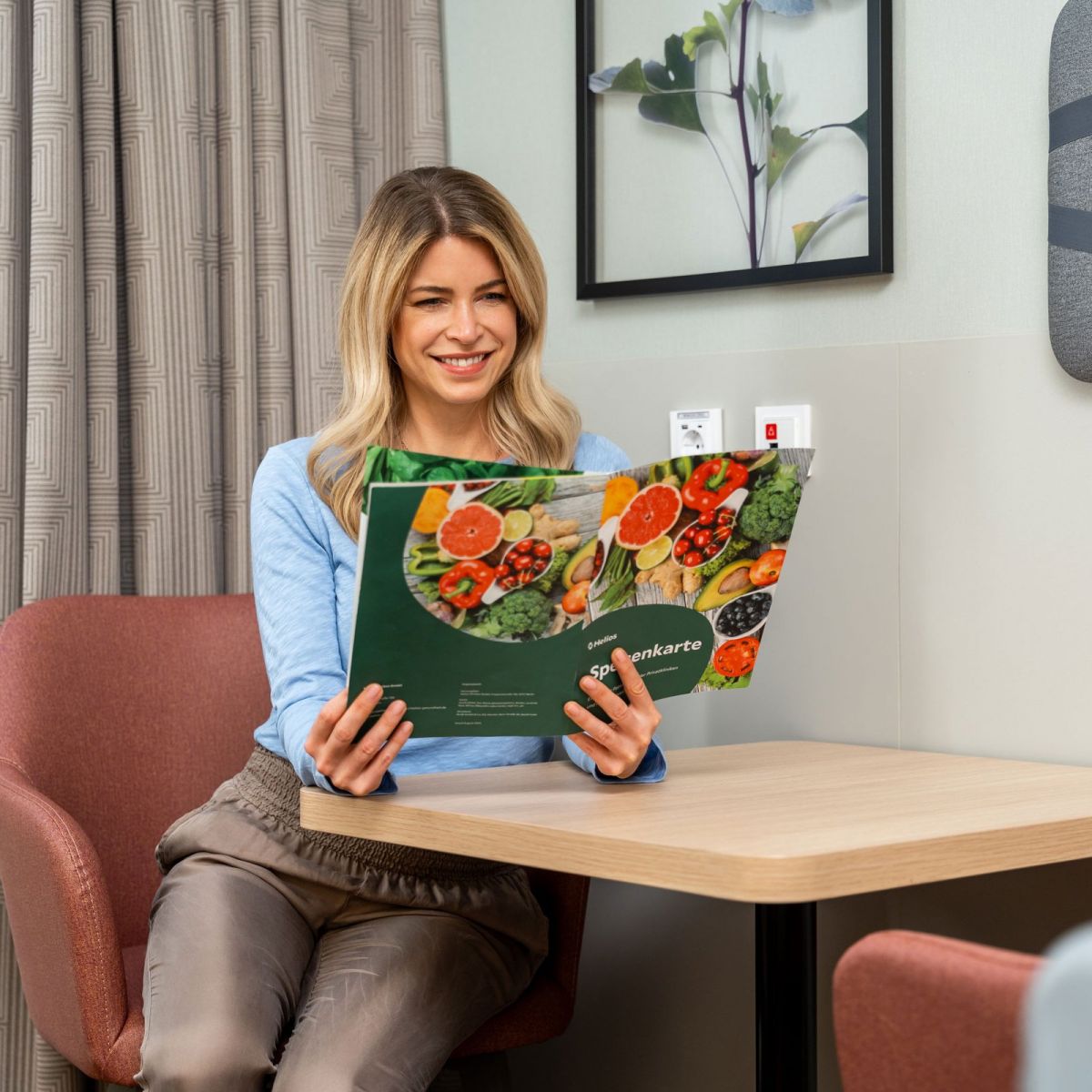
- Personalized meal selection for breakfast, lunch, and dinner
Should you have any additional requests during your stay please contact our service personnel.
- Germany: +49 30 6832 3885, for NL Patients: 0049 2151 32 4002 Helios International Office (Office hours: Mon.-Fri.: 08.00 am to 4.30 pm; Hotline: Mon.-Thurs.: 08.30 am to 4.00 pm, Fr.: 08.30 am to 3.00 pm).
-
 info@helios-international.com
Hotels & Travel
For patients visiting the clinic on an outpatient basis, as well as for accompanying family members, a variety of hotels offering different levels of comfort are available in the vicinity of the hospital.
If you require assistance with selecting and arranging accommodation, please inform your International Office coordinator. They will be happy to provide you with detailed information and recommend the most suitable options based on your preferences.
Combine healthcare and travel
Located in Wiesbaden, the capital of the federal state of Hesse, Helios Dr. Horst Schmidt Hospital offers an excellent opportunity to combine your medical visit with exploring one of Germany's most attractive regions. Whether you are visiting for a specialist consultation, comprehensive diagnostics, or a second medical opinion, your stay can be complemented by discovering Wiesbaden and nearby Frankfurt am Main, located just a short distance away.
Frankfurt city centre can be reached in approximately 30–40 minutes and is one of Europe's leading financial and cultural hubs. The city is renowned for its world-class museums, the historic Römer Square, impressive modern skyline, and excellent shopping opportunities. Wiesbaden itself is famous for its elegant architecture, thermal springs, beautiful parks, and its reputation as one of Germany's most distinguished spa cities. This convenient location makes Helios Dr. Horst Schmidt Hospital Wiesbaden an ideal choice for patients who wish to combine high-quality medical care with an enjoyable stay in the Rhine-Main region.
Region
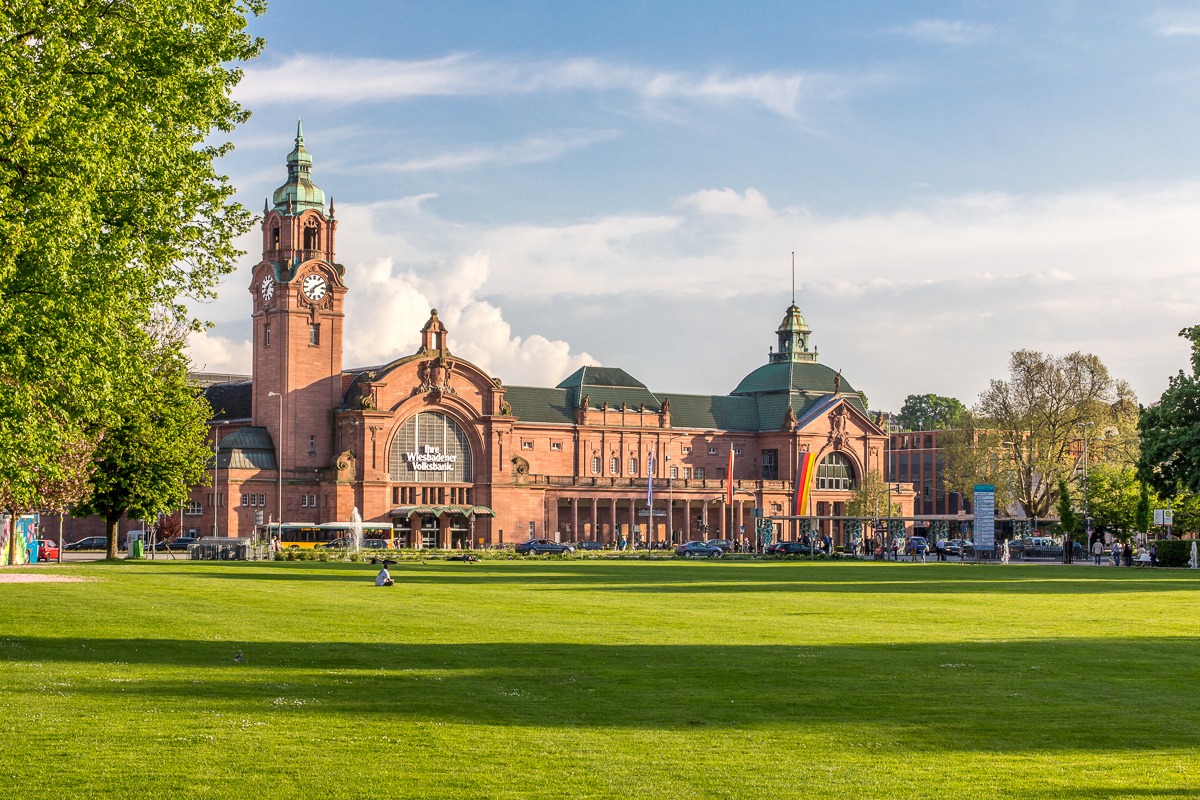
The clinic is located in Wiesbaden, the capital of the federal state of Hesse. Thanks to its proximity to Frankfurt am Main, Frankfurt Airport, and the region's extensive motorway and rail network, the hospital is easily accessible for both patients from Germany and international visitors.
Directions to the hospital
Frankfurt Airport is located approximately 30 km from the hospital, making the journey by car or taxi about 30 minutes. Regular train services also operate between the airport and Wiesbaden Central Station (Wiesbaden Hauptbahnhof), from where the hospital can be reached by public transport or taxi. Upon request, individual transfers from the airport or the railway station to the hospital can also be arranged for patients.
Within Wiesbaden, the hospital is well connected to all parts of the city by public transport. Bus stops serving several city routes are located directly outside the main entrance, while the medical campus also offers ample parking facilities and a designated taxi rank for patients and visitors.


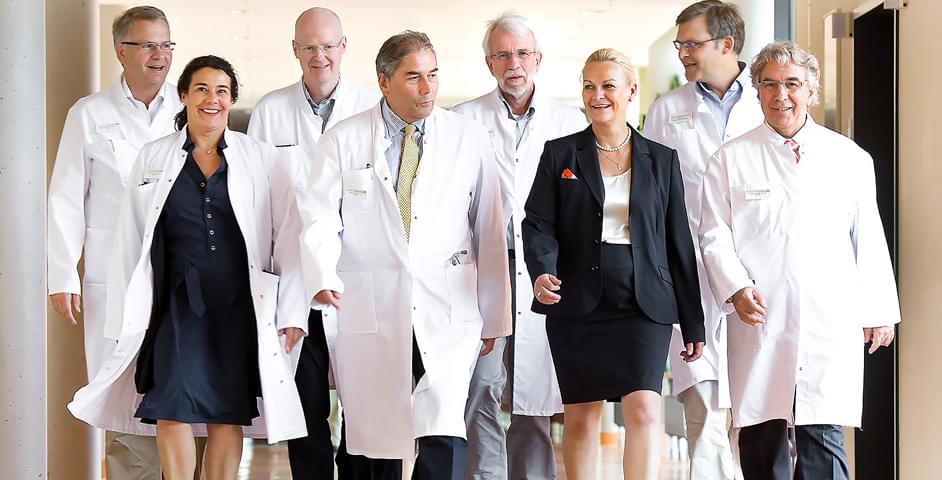
Physicians at Helios Dr. Horst Schmidt Hospital Wiesbaden
Director of the Department of Otolaryngology, Head and Neck Surgery at Helios Dr. Horst Schmidt Hospital Wiesbaden
Prof. Dr. Jan Gosepath
Ear, Nose & Throat
Director of the Clinic for Gynecology and Obstetrics at Helios Dr. Horst Schmidt Hospital Wiesbaden
Prof. Dr. med. Michael Eichbaum
Gynecology
Director of the Neurosurgery Department at Helios Dr. Horst Schmidt Hospital Wiesbaden
Prof. Dr. med. Barbara Carl
Neurosurgery
Chief physician Trauma, Hand and Orthopedic Surgery at Helios Dr. Horst Schmidt Hospital Wiesbaden
Prof. Dr. med. Sebastian Wutzler
Trauma & Hand Surgery
Director of the Department of Neurology at Helios Dr. Horst Schmidt Hospital Wiesbaden
Prof. Dr. med. Frank Arne Wollenweber
Neurology
Chief Physician General & Visceral surgery at Helios Dr. Horst Schmidt Hospital Wiesbaden
Prof. Dr. med. Michael Stumpf
Visceral & General Surgery
Chief Physician Dermatology and Allergology at Helios Dr. Horst Schmidt Hospital Wiesbaden
Prof. Dr. med. Christiane Bayerl
Dermatology
Chief Physician Internal medicine: Cardiology and Conservative Intensive Care Medicine at Helios Dr. Horst Schmidt Hospital Wiesbaden
Prof. Dr. med. Dr. disc. pol. Markus Wolfgang Ferrari
Cardiology
Send Request
We speak Arabic, English, French, German and Russian
Our services
Treatment
Helios is one of Europe's leading hospital networks, with more than 80 hospitals and over 80,000 employees providing high-quality medical care. In Germany, the Helios network comprises more than 80 hospitals, around 200 Medical Care Centres (MVZs, outpatient medical centres), six...
Rehabilitation
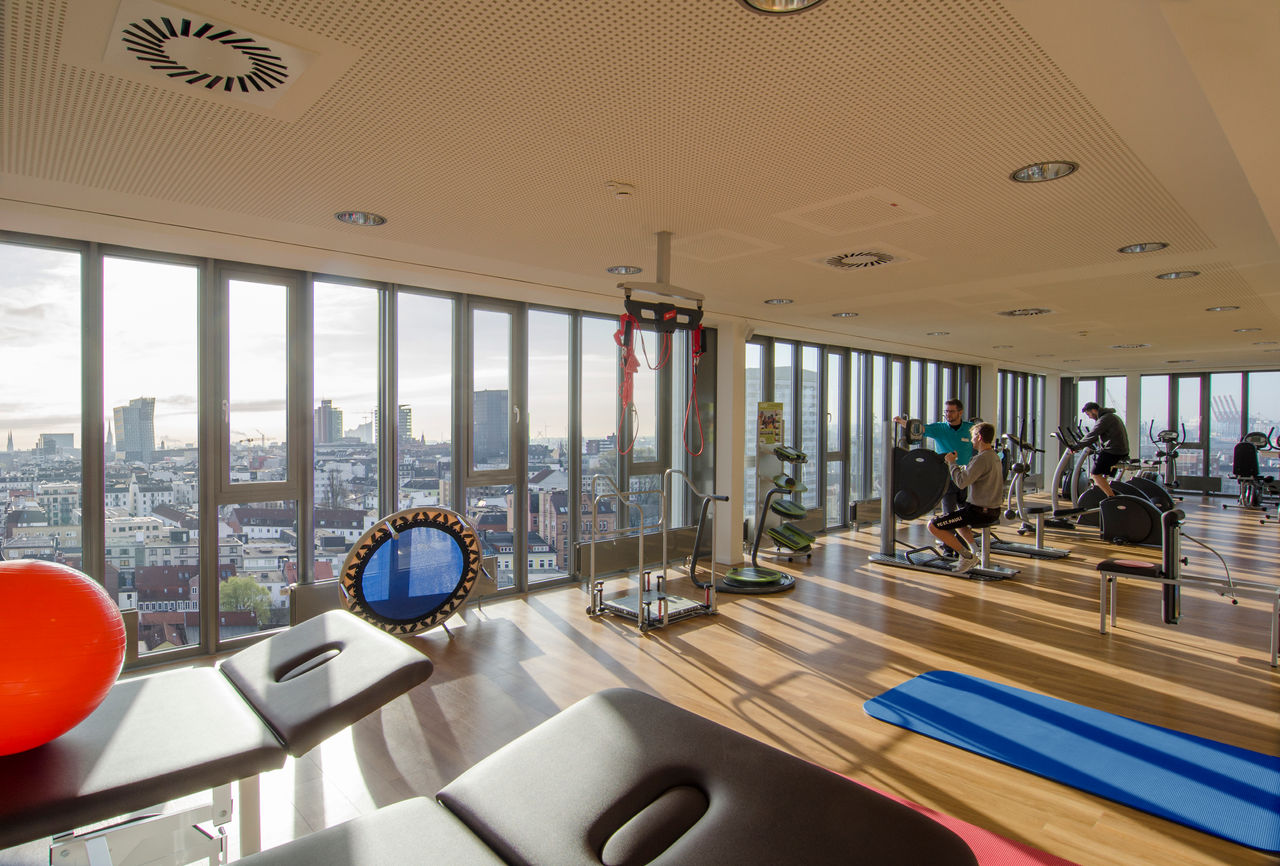
We offer you not only physiotherapy and equipment training, but also prevention courses, pre-rehabilitation, inpatient and outpatient rehabilitation, occupational therapy and pre-operative training - all in all, a comprehensive range of treatments that is second to none.
Ortho-Campus
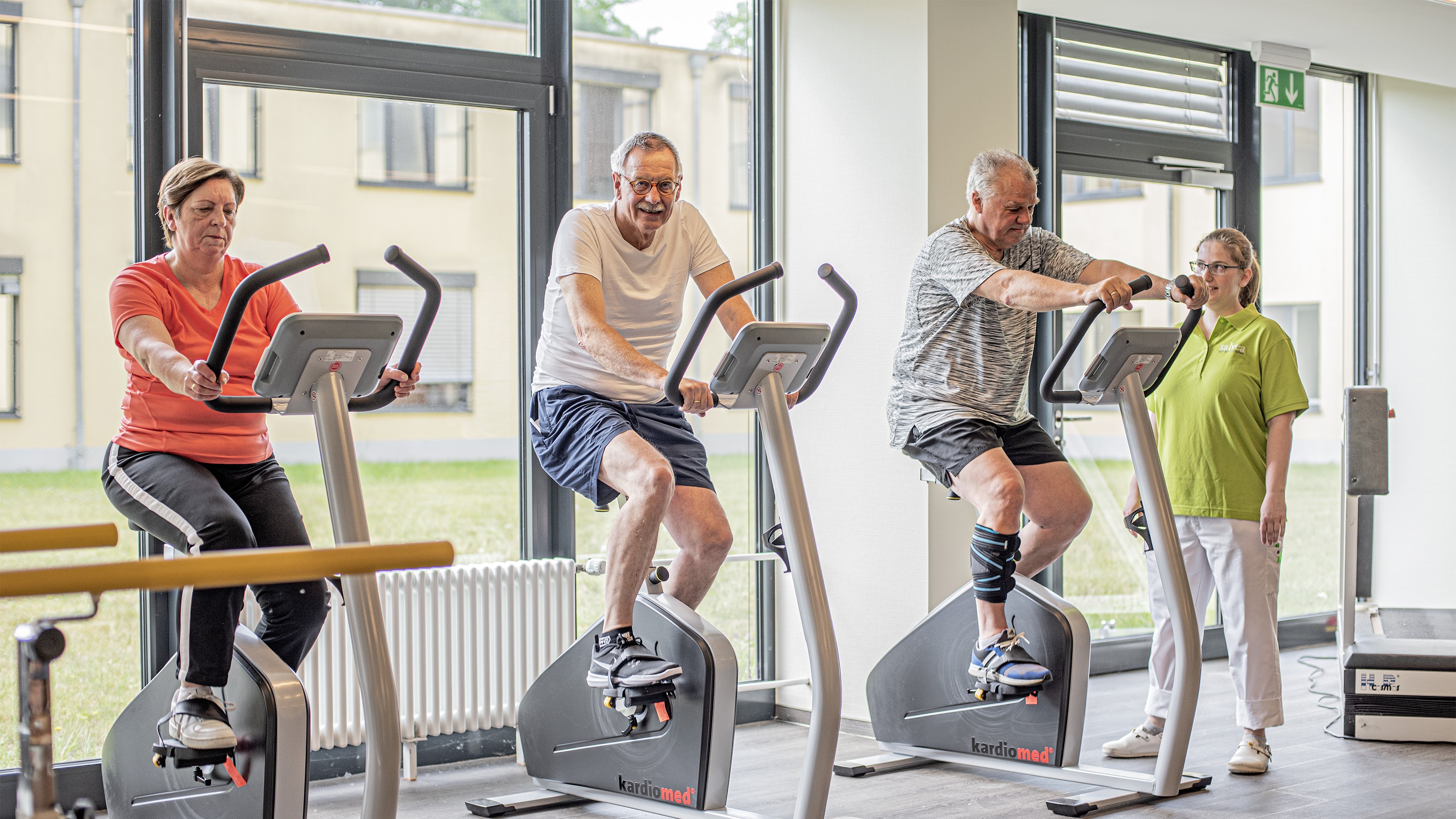
The Ortho-Campus of Helios Cäcilien Hospital Hüls (Krefeld) offers a one-of-a-kind service: We take a holistic approach to arthroplasty. This means that patients who require a new hip or knee joint receive all services in one place, from preparation and surgery to subsequent rehabilitation....

Check-ups
The combination of medical diagnostics, medical state-of-the-art technology and plenty of time for a confidential discussion enables us to provide tailored advice on current complaints and existing health risks. If changes in lifestyle make sense, practical and easy-to-implement measures...
Affiliations / Certifications