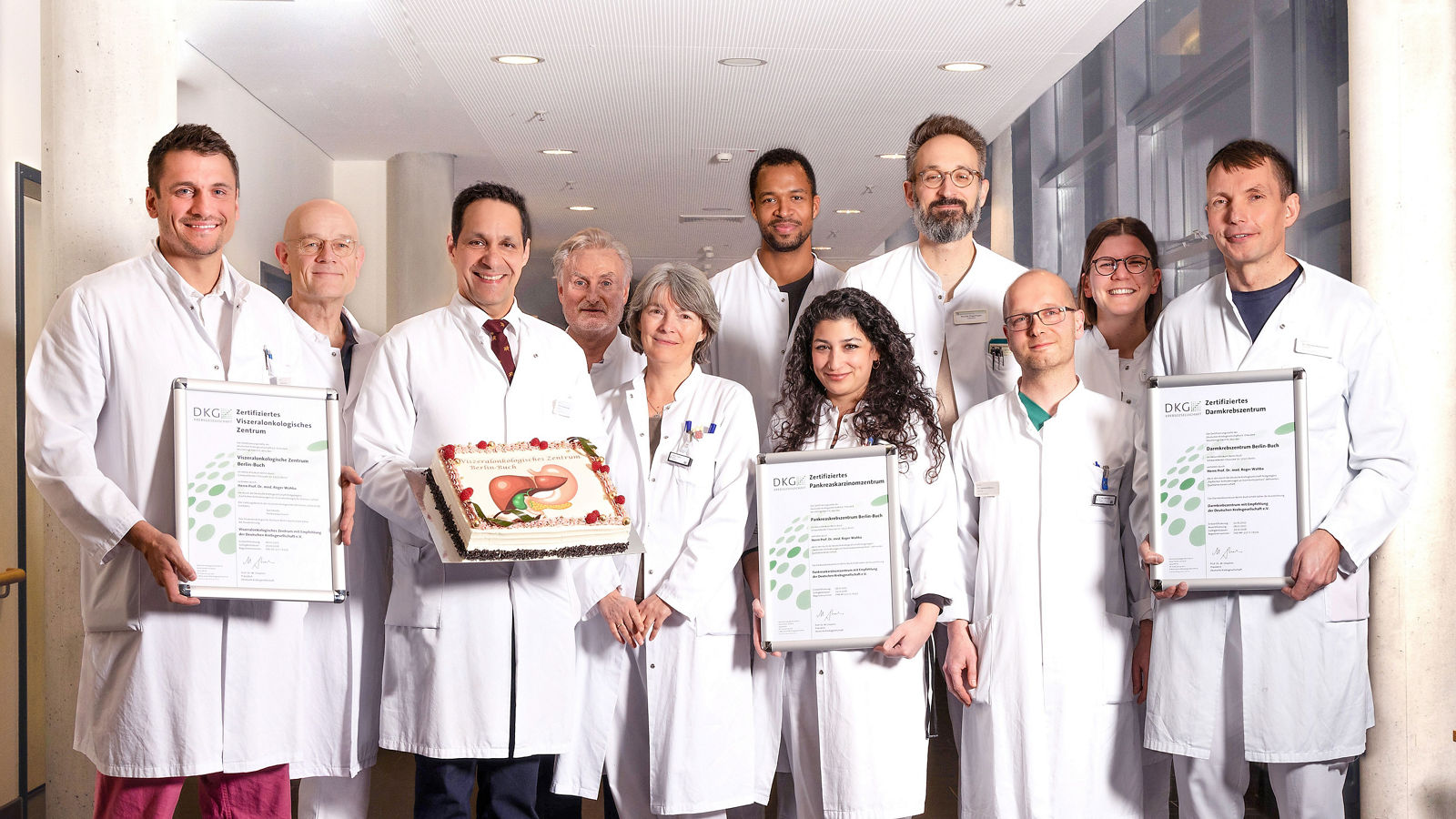
The Intestinal and Pancreatic Center in Hildesheim has been recertified
Colorectal and pancreatic cancers often require a range of diagnostic and therapeutic procedures. At the Intestinal and Pancreatic Center, specialists in gastroenterology, oncology, general and visceral surgery, radiology, radiation oncology, and pathology work closely together. During interdisciplinary tumor board meetings, specialists jointly review diagnostic findings and coordinate the next steps in each patient's treatment.
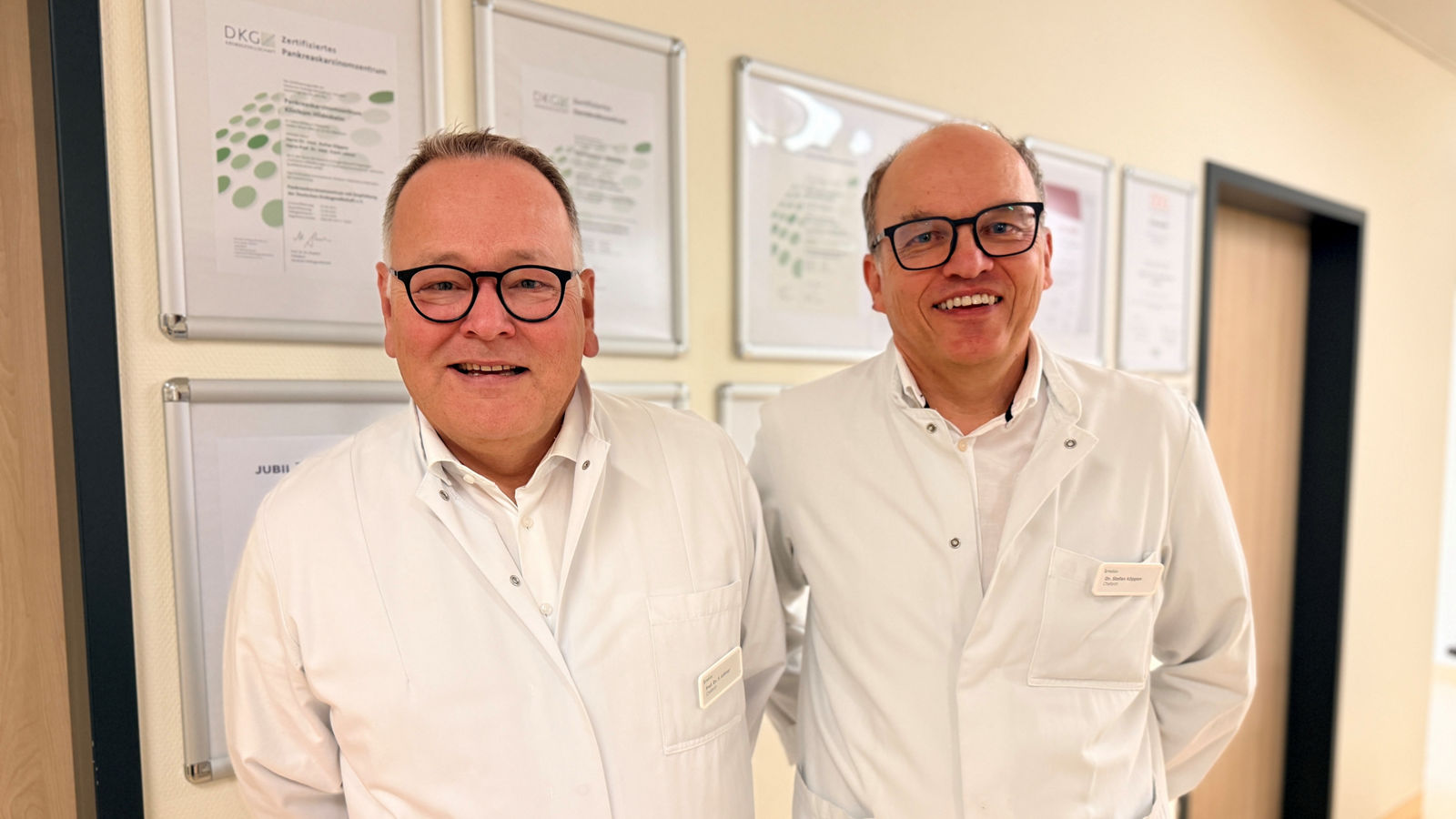
This collaboration extends beyond the hospital itself. Close cooperation with community-based physicians throughout the region is an essential part of patient care. General practitioners, medical specialists, and hospital teams coordinate diagnostic procedures, treatment, and follow-up care. Outpatient oncology services are also integrated into this coordinated approach. “Effective cancer treatment cannot be provided within a hospital alone. We rely on our colleagues in outpatient practices just as much as on our own specialist departments. Only when the transitions between different stages of care work smoothly can patients experience their treatment as one continuous, coordinated journey,” says Dr. med. Stefan Köppen, Chief Physician of the Department of Gastroenterology, Oncology, and Palliative Medicine.
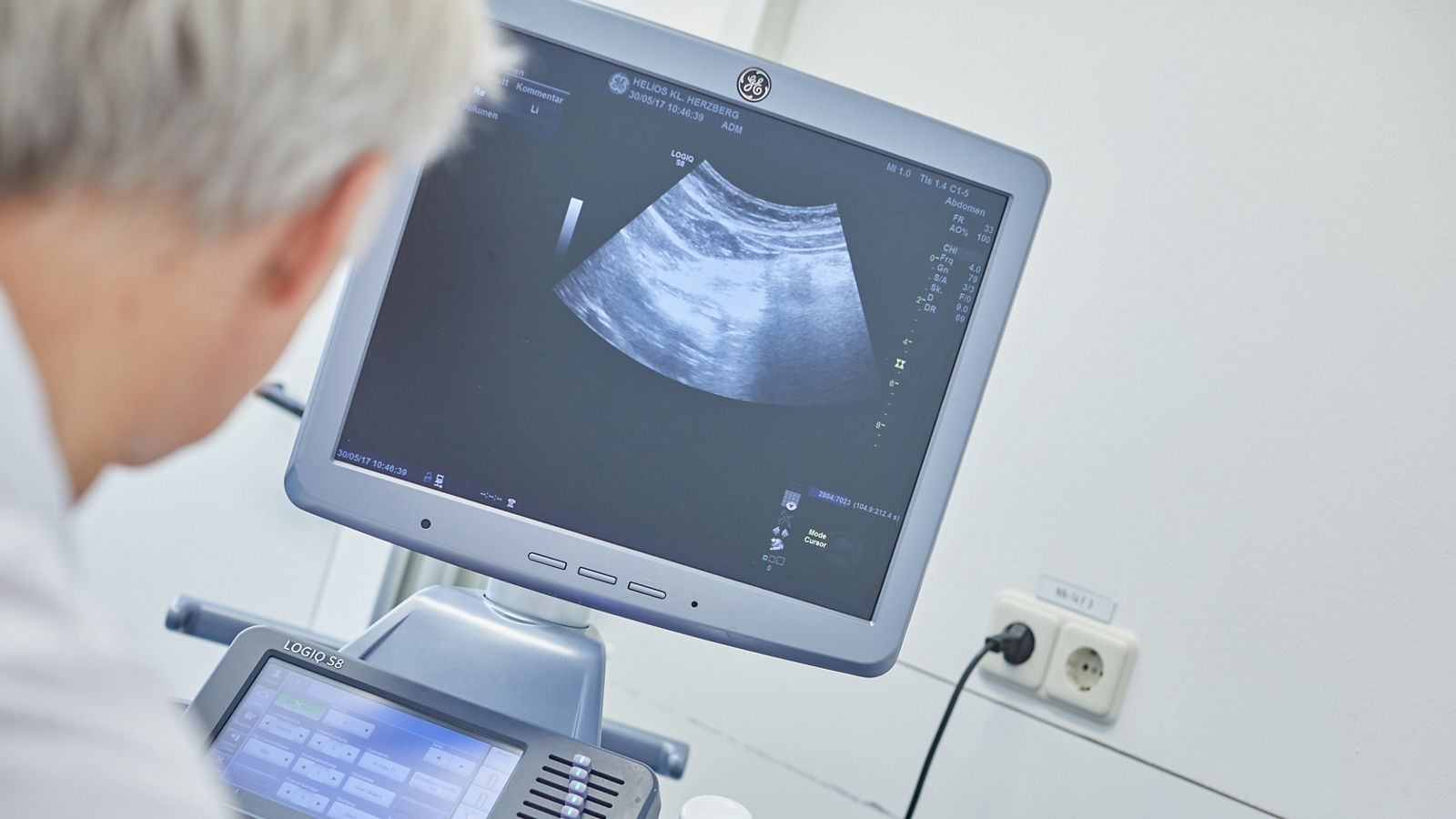
Modern oncology begins with accurate diagnostics
Pathology plays an important role in cancer diagnostics. Modern diagnostic techniques make it possible to examine not only visible changes but also the molecular characteristics of a tumor. This information can be important when determining further treatment strategies.
External specialists are also part of the center's collaborative network. For example, a community-based medical geneticist is available in Hildesheim, with whom the center cooperates whenever specific genetic questions arise. “We want to know not only where a tumor is located but also understand its characteristics. Molecular and genetic information can provide valuable insights for further treatment decisions,” explains Prof. Dr. med. Frank Lehner, Chief Physician of the Department of General and Visceral Surgery.
The center is committed to following the latest medical evidence and international standards. New developments in diagnostics and treatment are continuously monitored and evaluated for their potential benefits to patients.
Strong regional collaboration for coordinated care
For people with colorectal or pancreatic cancer, the certified center provides access to closely coordinated, comprehensive medical care. Outpatient and inpatient services, diagnostics and treatment, as well as medical and supportive care, are integrated into a coordinated healthcare system. Close collaboration with community-based medical practices throughout the region is an essential part of this approach. “Our goal is to provide care in which patients do not feel that they are constantly being transferred between different institutions and healthcare professionals. We want to bring together our expertise and coordinate treatment as a team,” says Prof. Dr. Frank Lehner.
Hospital Managing Director Sascha Kucera also emphasizes the importance of professional networks in regional healthcare:
“Certification represents more than verified organizational structures. It also recognizes the people who bring these structures to life every day. This includes our employees, our colleagues in community-based medical practices, and our regional network partners.”
The renewed certification therefore confirms the collective efforts of numerous medical departments and partner organizations: modern diagnostic and therapeutic approaches, interdisciplinary expertise, and close cooperation between hospital-based and outpatient healthcare providers.
Together, these elements help ensure reliable, high-quality care for people with colorectal and pancreatic cancer throughout the region.
Read more:
Do you need more information about Helios Hospitals or want to schedule your treatment?