
Pulsed field ablation for atrial fibrillation: A patient's journey
Running marathons, cycling, swimming, hiking — staying active had always been a natural part of everyday life for Gabi Riedel from Leipzig. But over time, even minor physical exertion became a challenge. More and more often, her heart would suddenly fall out of rhythm. What had initially occurred only occasionally gradually developed over several years into increasingly frequent and severe episodes of atrial fibrillation, with heart rates reaching up to 200 beats per minute and a constant fear of suffering a stroke.
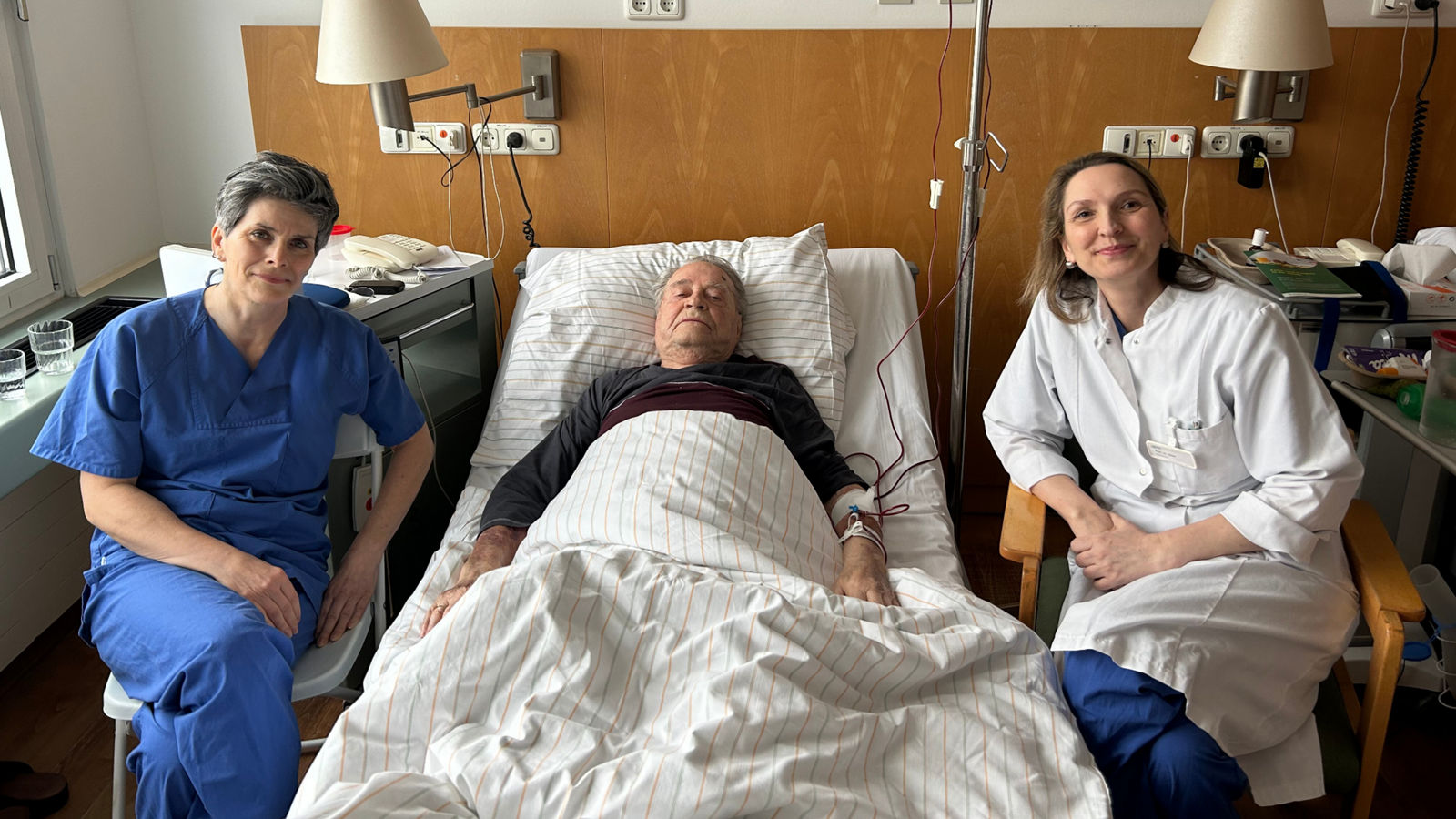
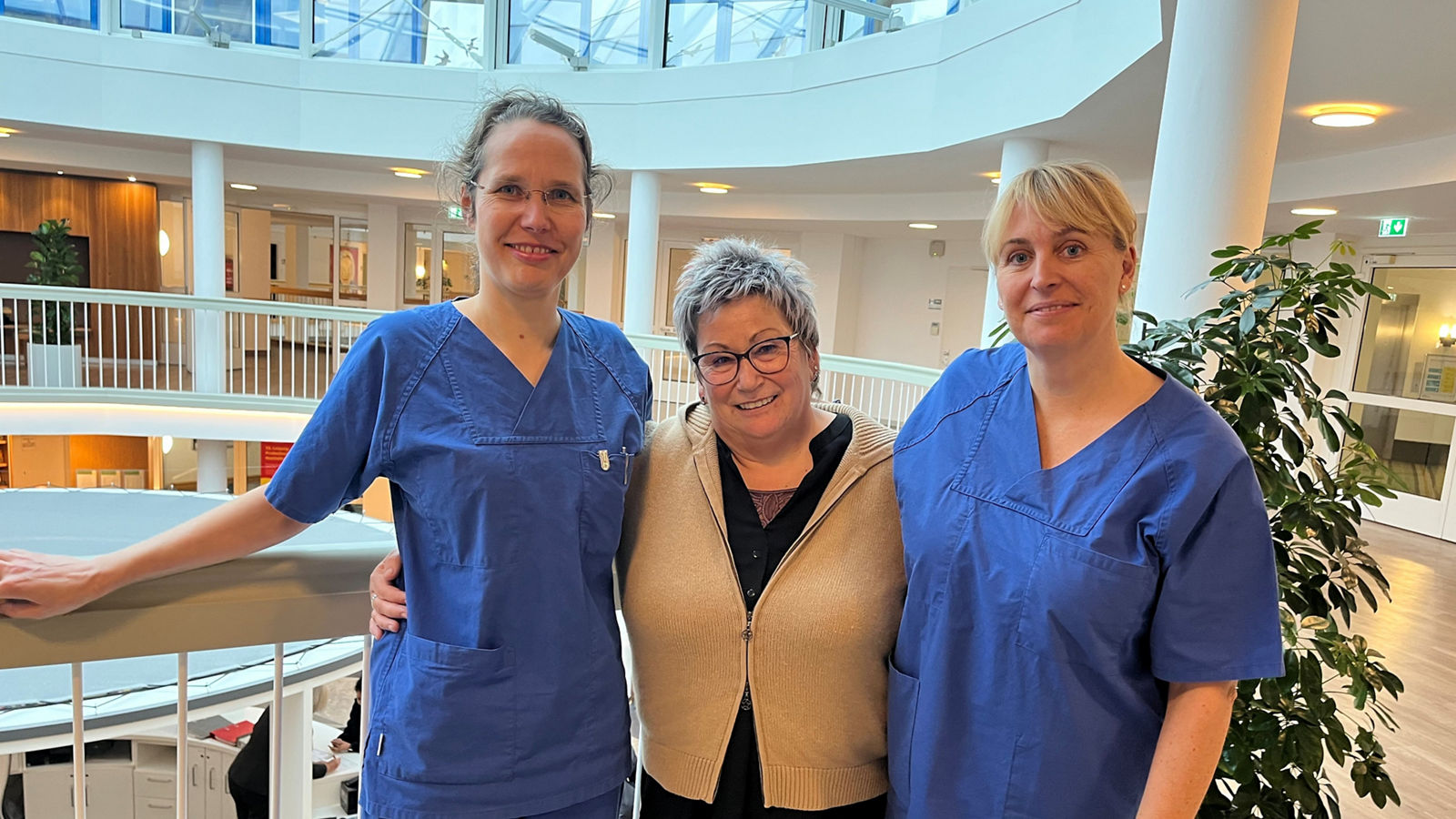
Today, just a few months after undergoing Pulsed Field Ablation (PFA), the 62-year-old high school teacher is free from atrial fibrillation and once again enjoying her active lifestyle.
What is atrial fibrillation?
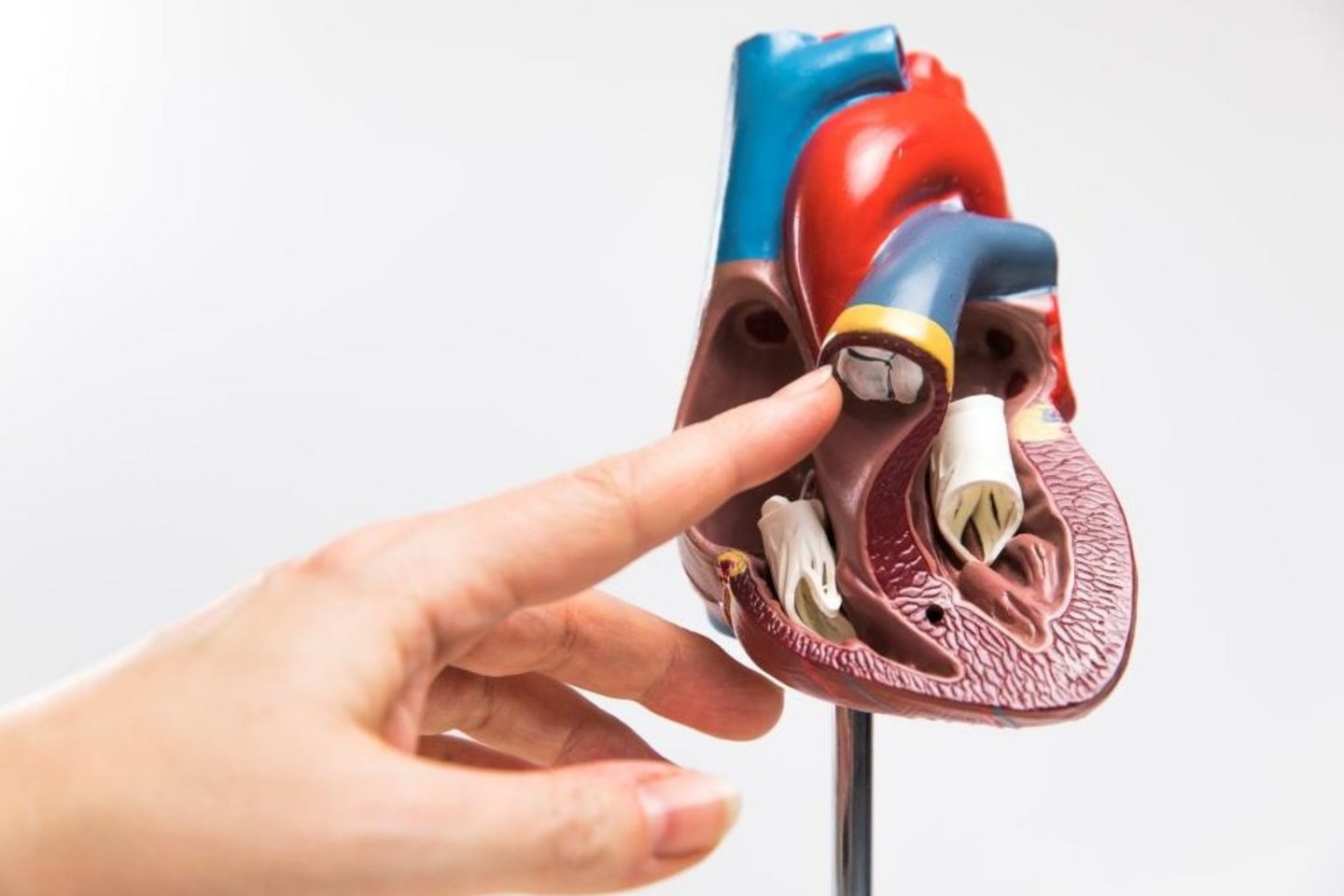
Atrial fibrillation is the most common sustained cardiac arrhythmia. It occurs when the heart's electrical signals become disorganized. Instead of beating in a regular rhythm, the heart contracts chaotically and often much faster than normal. Patients may experience rapid heartbeat, shortness of breath, fatigue, and reduced physical performance. At the same time, their risk of stroke increases significantly.
For Gabi Riedel, her family's experience played a major role in her decision-making. A close family member had suffered serious complications following an ablation performed with an earlier-generation technique. "Those experiences kept me from having the procedure myself for years. The fear was simply overwhelming," says Gabi Riedel.
Despite maintaining a healthy diet, exercising regularly, and leading an overall health-conscious lifestyle, her symptoms continued to worsen. What had initially occurred only every few months eventually turned into episodes lasting several hours and leaving her completely exhausted. "I could no longer push myself physically. Everything I enjoyed — sports or even going to the sauna — could trigger an episode. At some point, the condition started to control my entire life," recalls the high school teacher.
A gentle treatment using electrical pulses
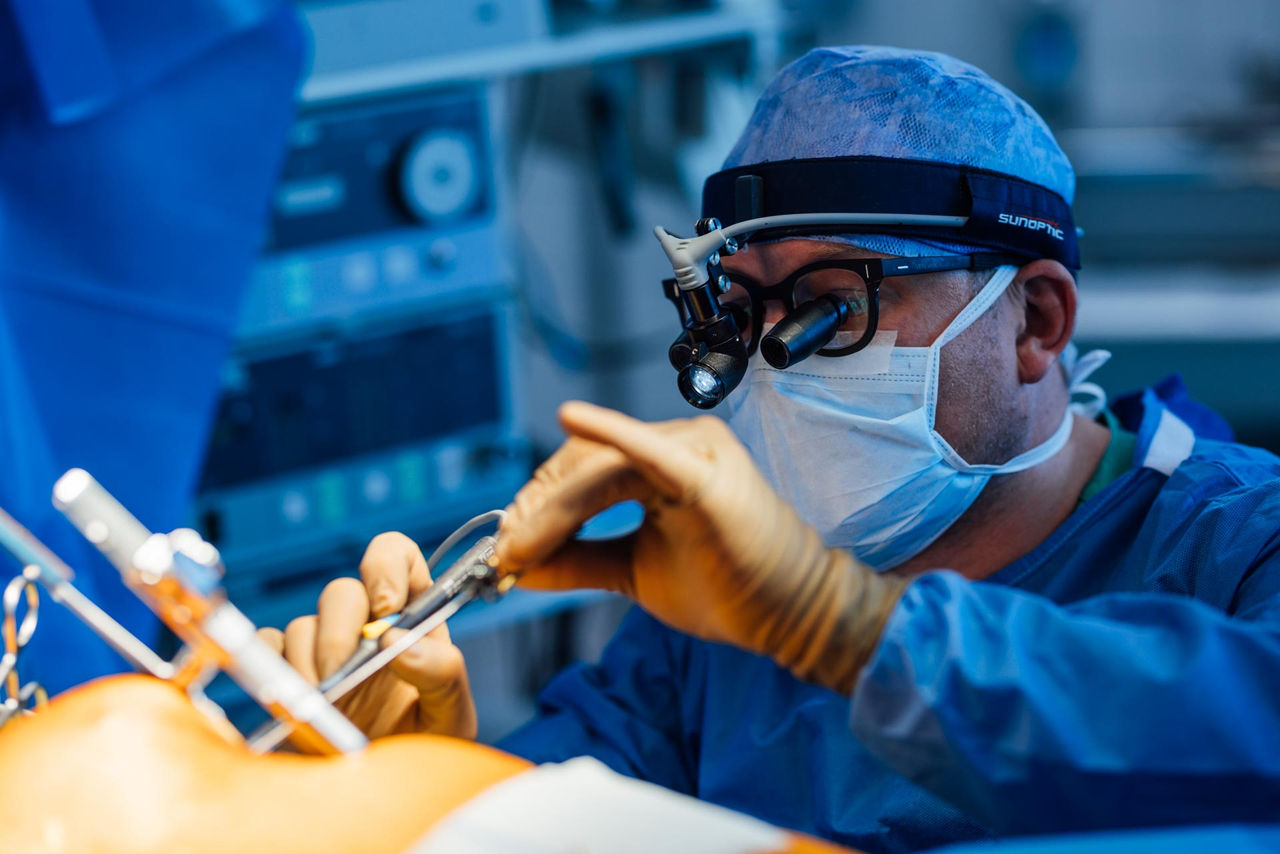
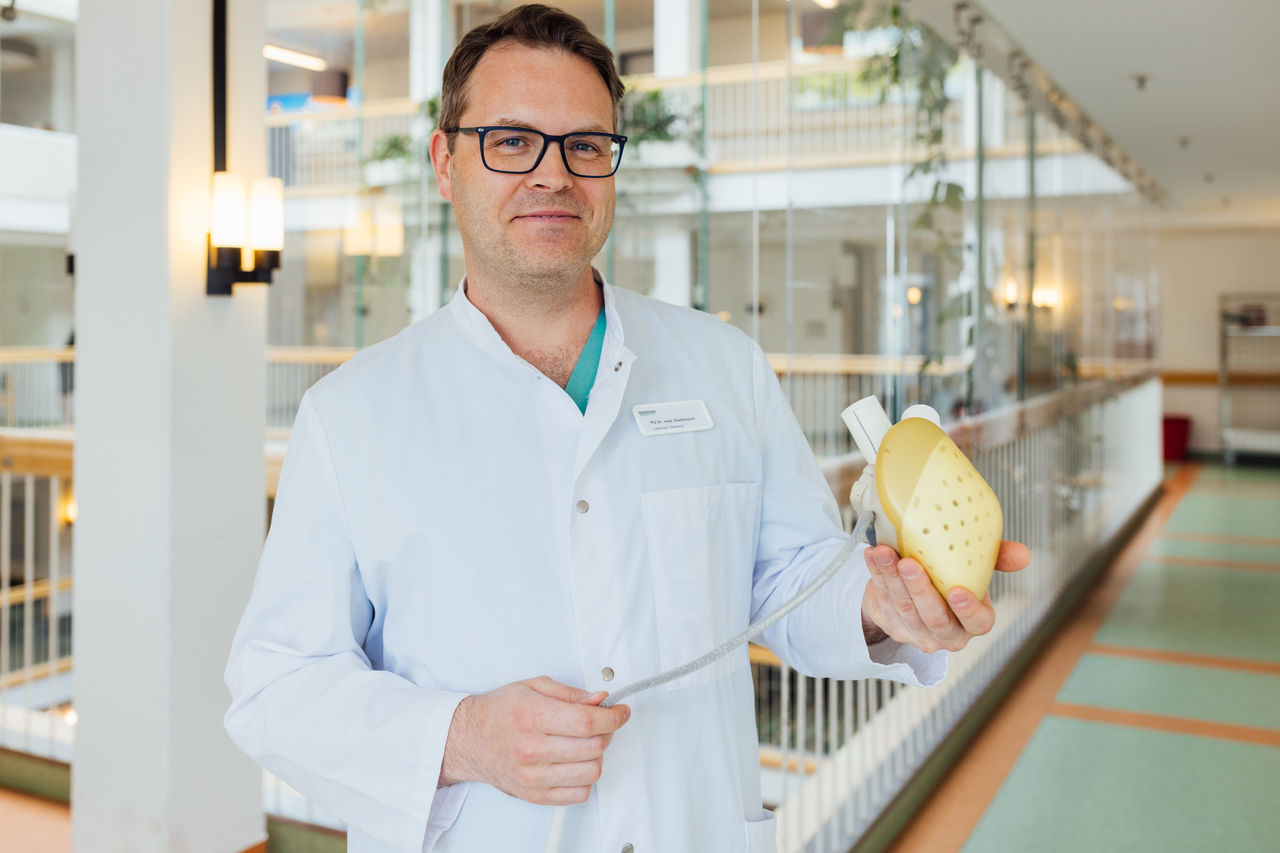
At the end of 2025, Gabi Riedel sought care at the Department of Electrophysiology at the Leipzig Heart Center. After a comprehensive evaluation, the heart specialists recommended an interventional treatment using Pulsed Field Ablation (PFA), a modern technique for treating atrial fibrillation. In addition to this innovative technology, the Leipzig Heart Center routinely performs thermal ablation procedures, including radiofrequency ablation (heat) and cryoablation (cold).
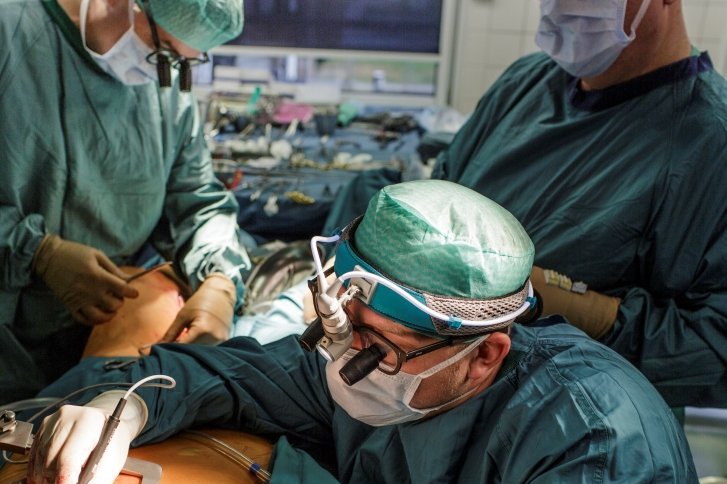
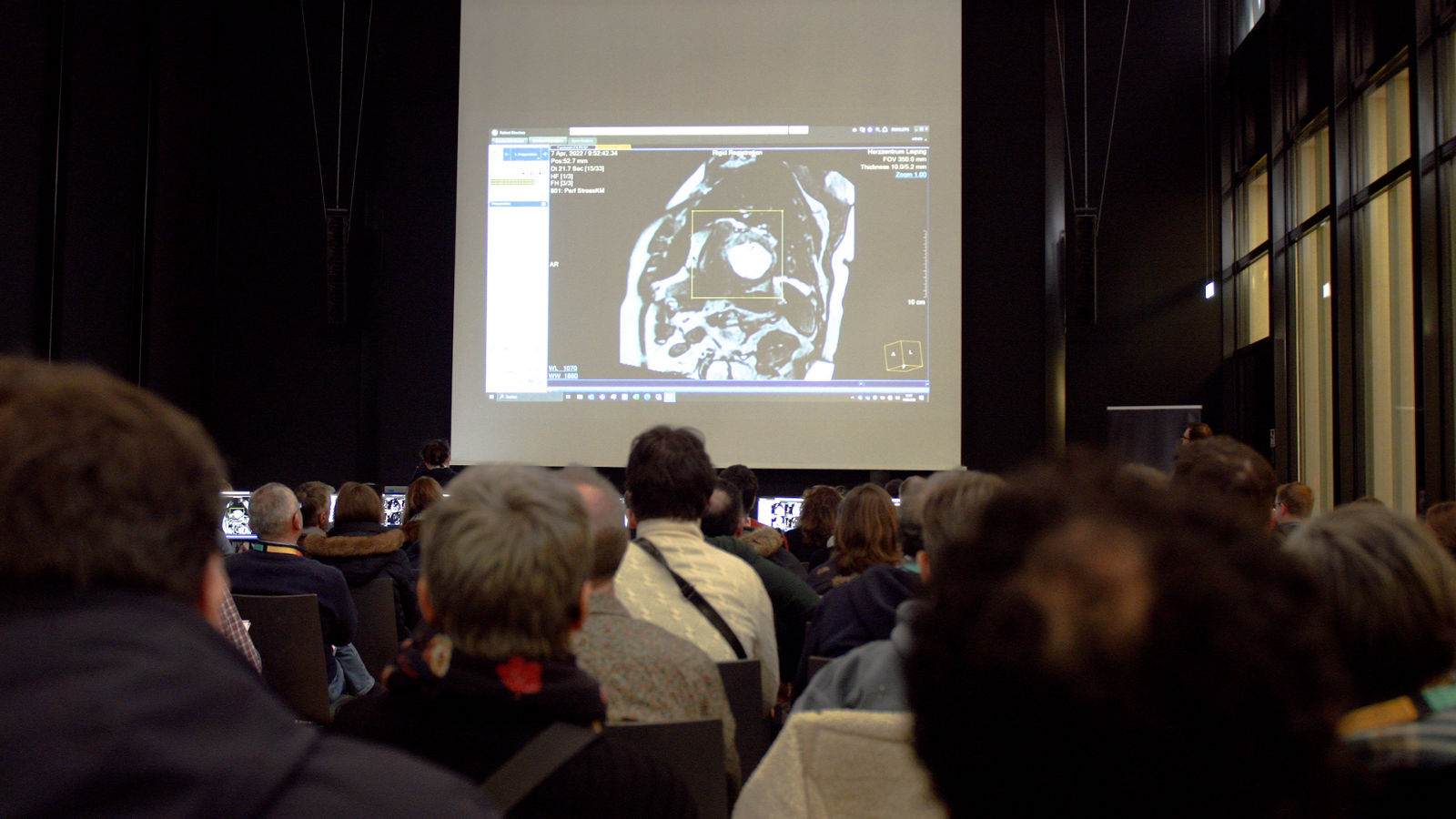
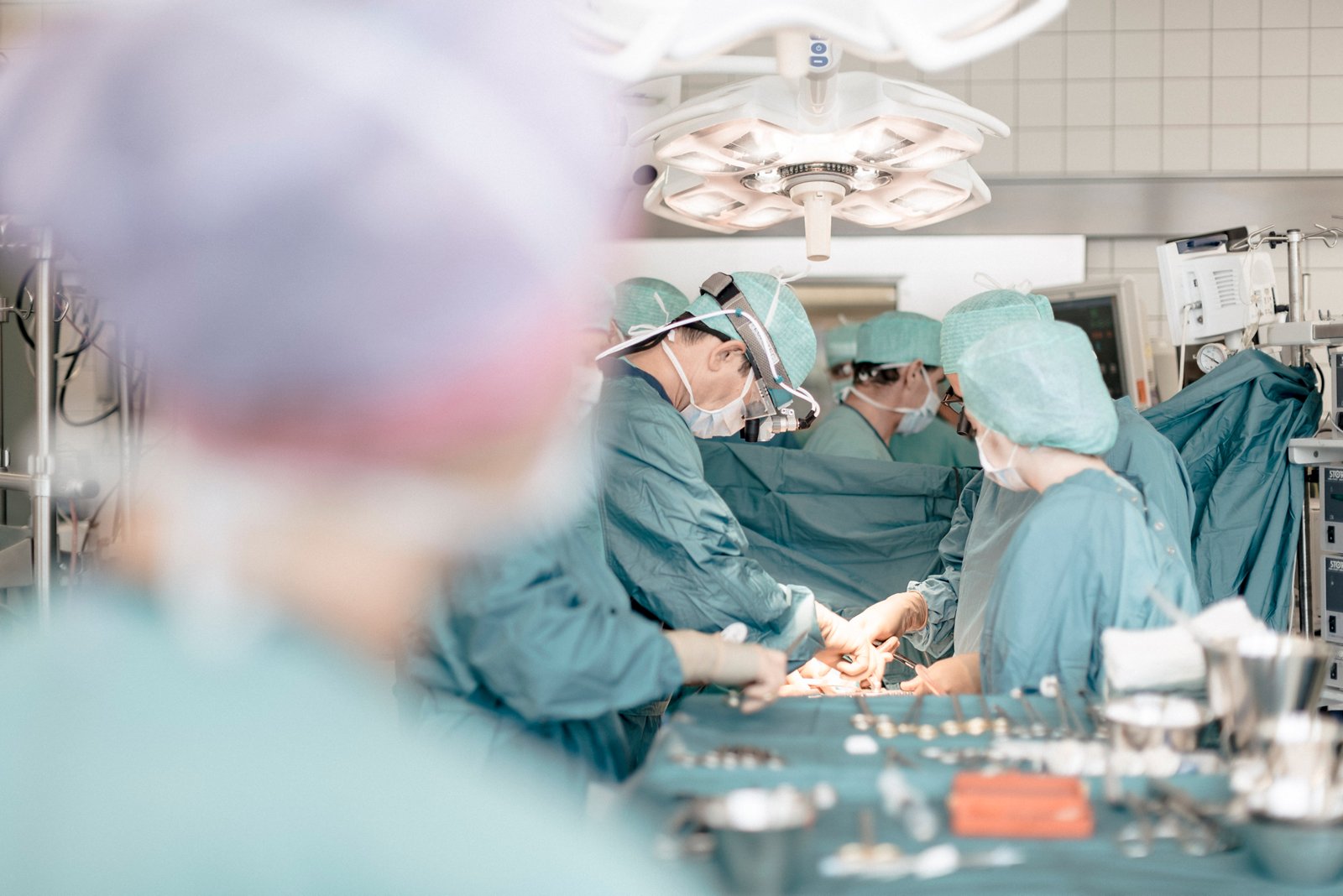
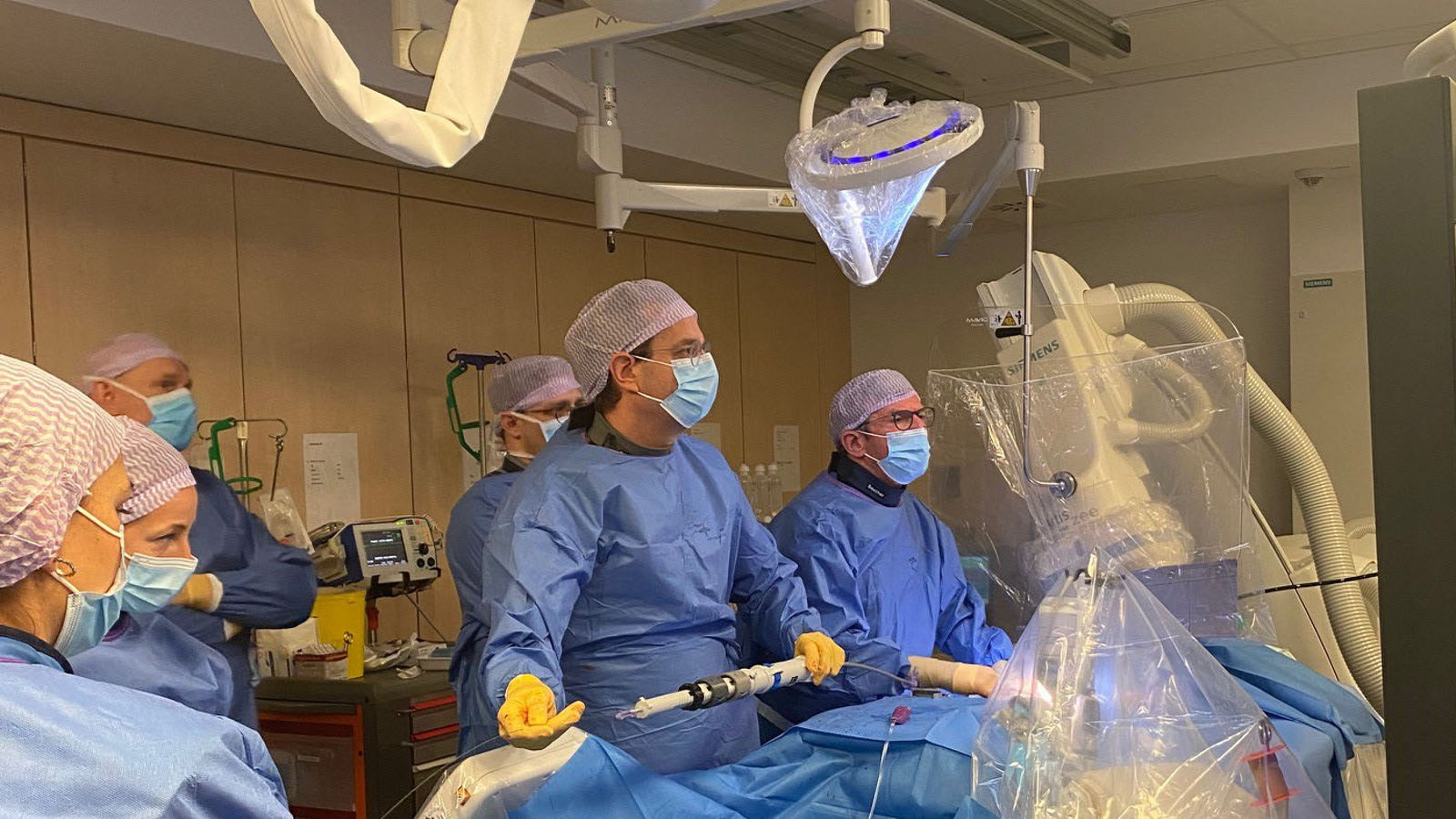
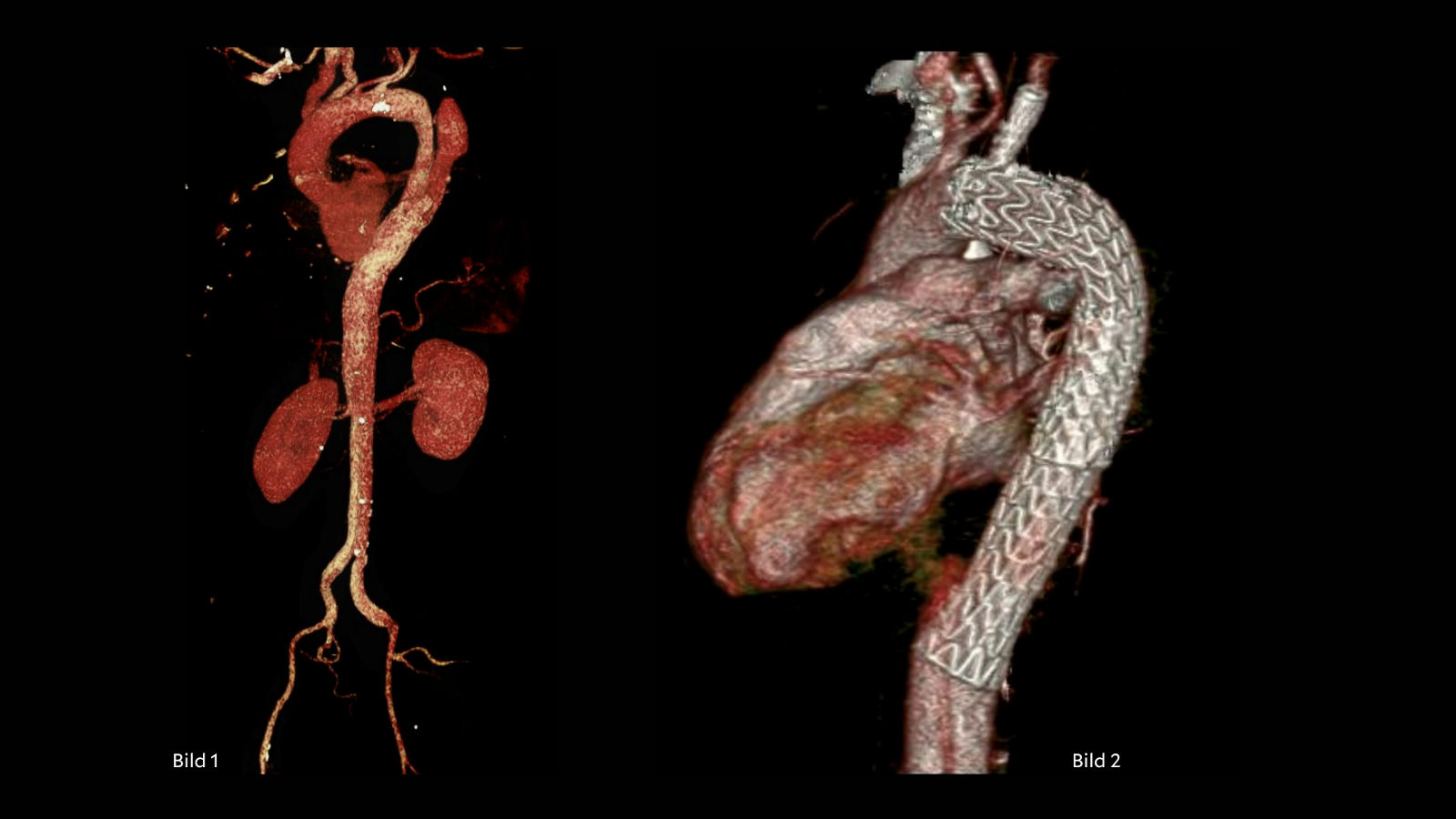
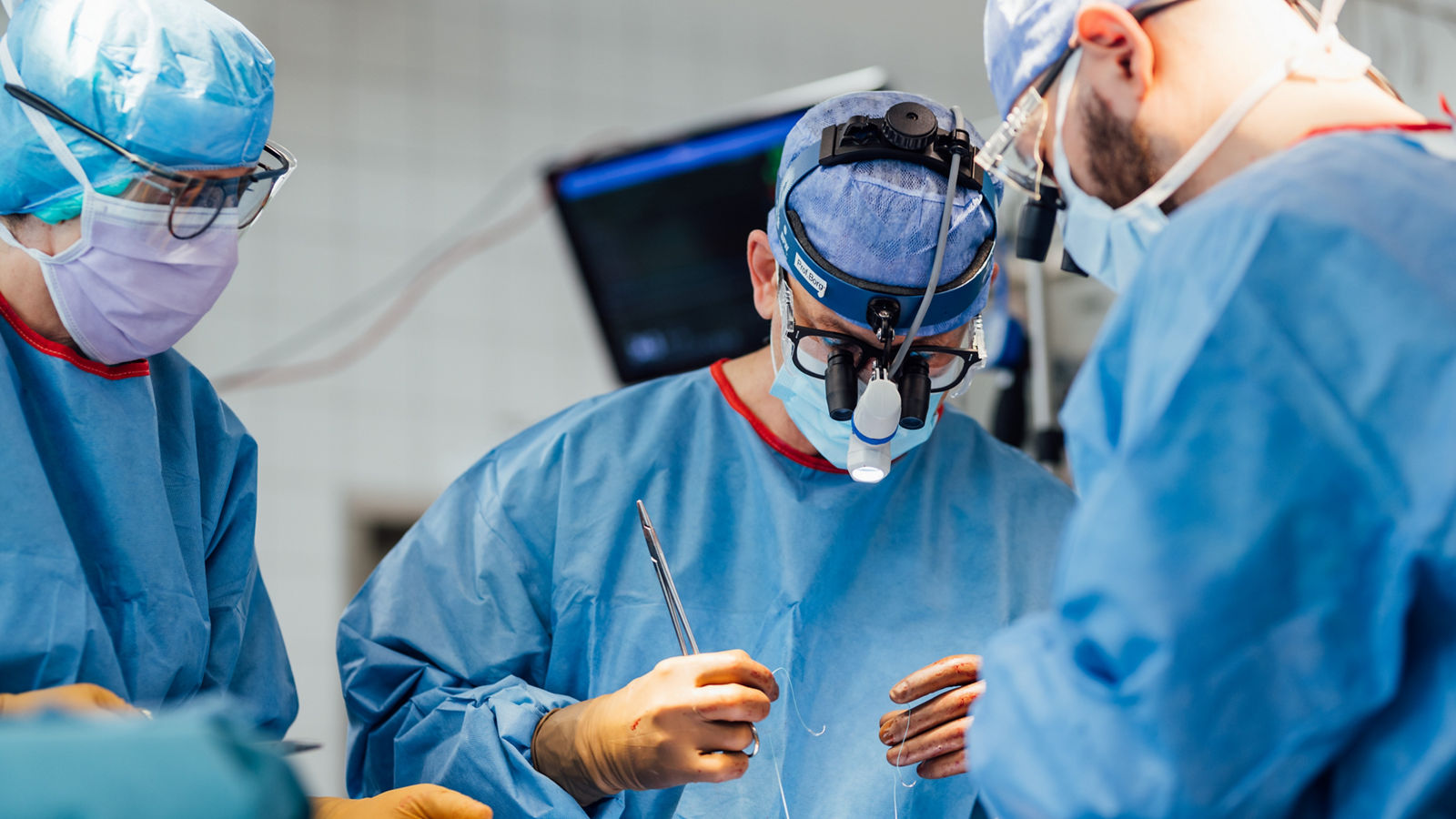
Before the procedure, Gabi's heart was carefully assessed using magnetic resonance imaging (MRI). During the intervention, the physicians created a detailed electrical map of the heart, identified the areas responsible for the abnormal electrical signals, and precisely targeted them with treatment. For Gabi Riedel, this level of precision and the lower risk of complications made all the difference:
"When I saw how thoroughly my heart had been examined before the procedure, it gave me tremendous peace of mind. I knew they understood exactly where the problem was."
The procedure was successfully performed in December 2025. Gabi was discharged from the hospital the very next day. After taking it easy for a few weeks, she gradually returned to her normal level of physical activity. The defining moment came two months later during a skiing vacation. "We were skiing just like we used to. That was the first time I truly felt it was all behind me," recalls the 62-year-old.
Today, she is physically active again. She enjoys Nordic walking, cycling, swimming, and spending time outdoors. Her smartwatch, which had previously recorded frequent episodes of atrial fibrillation, has shown no irregularities since the procedure.
Looking back, Gabi's only regret is that she allowed her fears to delay treatment for so long:
"My advice to everyone is: don't wait too long. Learn about the treatment options available today. Medicine has advanced tremendously."
She is especially grateful for the confidence she gained throughout her treatment. "I felt I was in capable hands every step of the way. That gave me the courage to go through with the procedure," says Gabi Riedel.
For her, the procedure meant far more than treating a heart rhythm disorder. "This experience taught me gratitude. Today, I appreciate every single day when my heart beats calmly and regularly," Gabi Riedel says with a smile.
Read more:
Do you need more information about Helios Hospitals or want to schedule your treatment?