Ross procedure for aortic valve stenosis
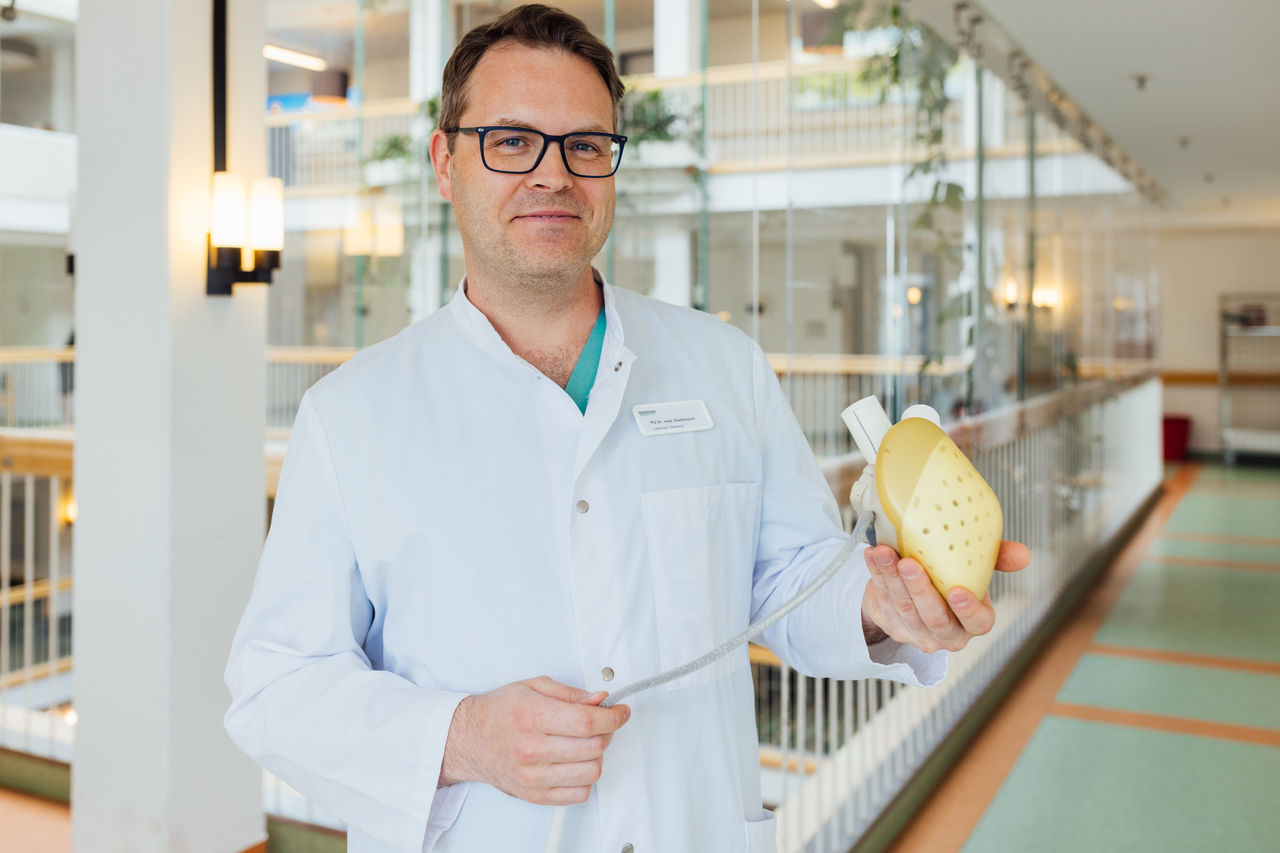
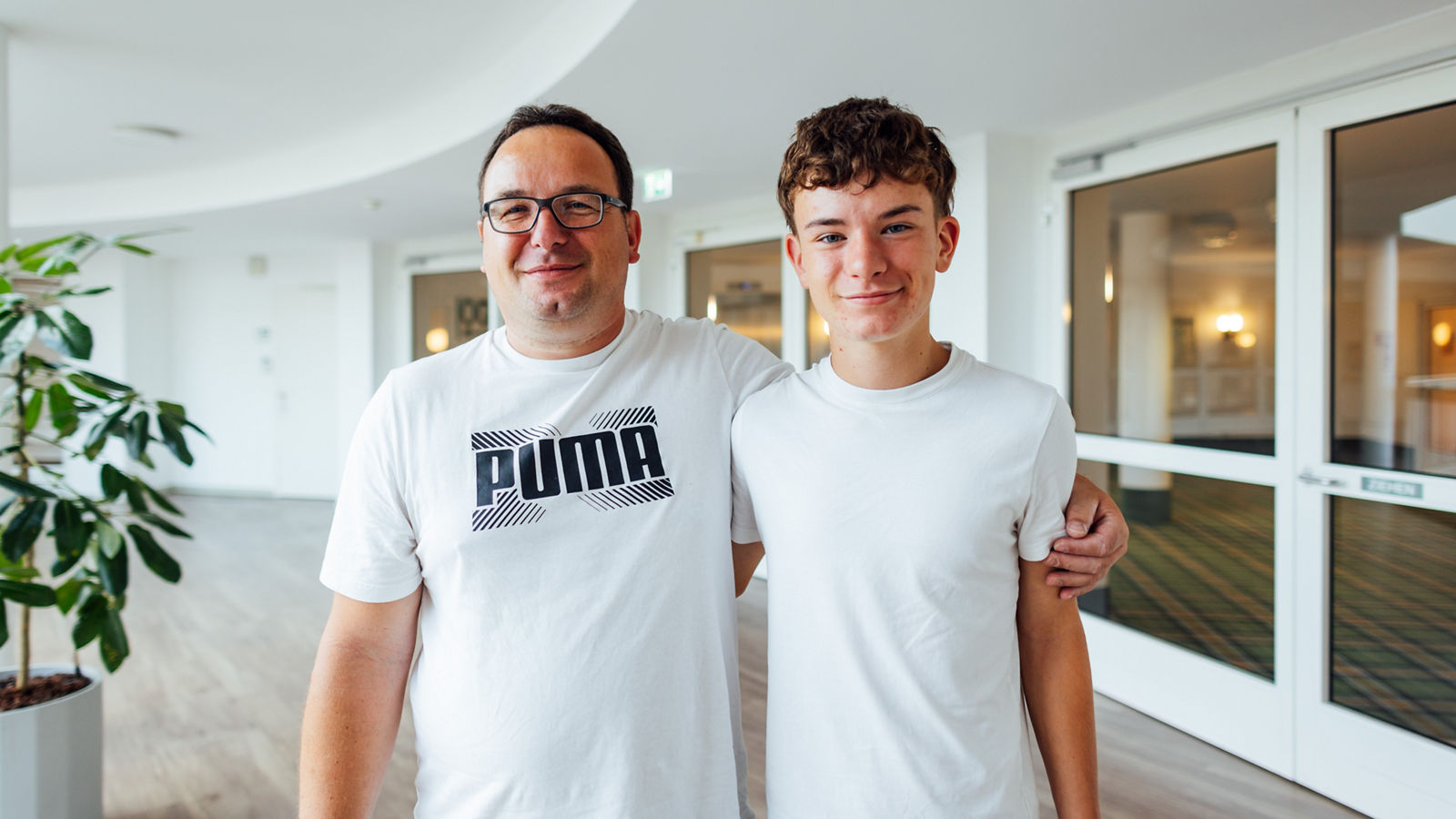
When Linus was six weeks old, the Windisch family learned that their son had a congenital heart defect. An abnormal heart murmur prompted the family to visit a pediatric cardiologist, where Linus was diagnosed with a bicuspid aortic valve. “This means that the aortic valve has only two leaflets instead of three. As a result, the valve is subjected to increased stress, causing it to calcify or wear out more quickly. This eventually leads to narrowing of the aortic valve, a condition known as aortic valve stenosis (aortic stenosis),” explains Privatdozent Dr. Marcel Vollroth, Senior Consultant in Pediatric Cardiac Surgery and Surgical Director of the Adult Congenital Heart Disease (EMAH) Program at the Leipzig Heart Center.
“I had already noticed that something wasn't quite right. Linus was a very quiet baby. After the diagnosis, we understood why,” recalls his mother, Kathrin.
A bicuspid aortic valve is one of the most common congenital heart defects. Following Linus's diagnosis, the other family members underwent medical examinations. Remarkably, his father, Tino, was not the only one affected by this hereditary aortic condition. Their daughter, Julia, was also found to have thickening of the aortic valve and has since been undergoing regular cardiological monitoring. “I knew that my father had some kind of heart condition, although I didn't know the exact diagnosis, and that my grandfather had died at a relatively young age. However, I had never really thought about my own health. I had always tended to sweat easily and become exhausted quickly during physical activity. After our family was diagnosed, I finally understood what was causing my symptoms and was able to receive appropriate treatment,” explains 50-year-old Tino Windisch.
The Ross procedure as an alternative to heart valve replacement
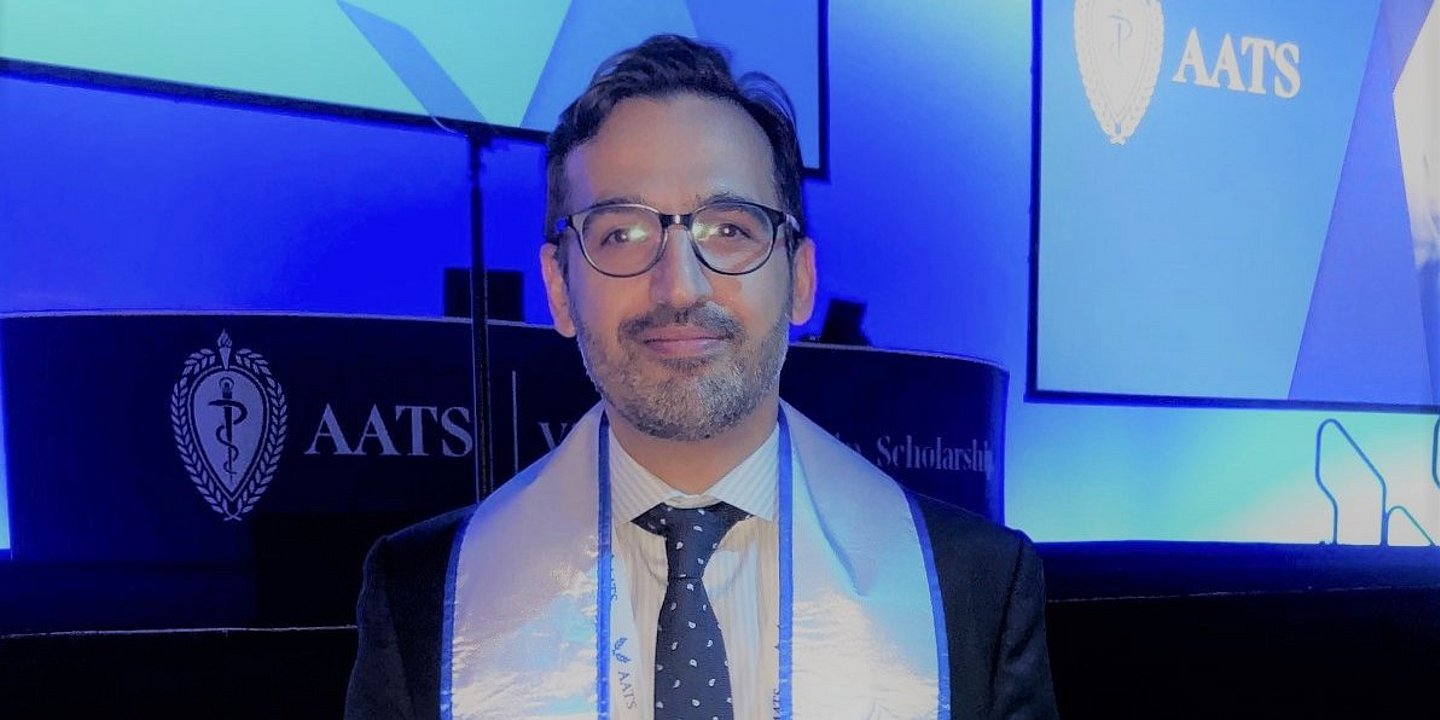
“When changes occur in the aortic valve, we regularly monitor how the pressure gradient — the difference in pressure before and after the valve — and the valve opening area — how widely the valve can still open — develop over time. Based on these measurements, we can predict disease progression and promptly determine when surgery becomes unavoidable and necessary,” explains Privatdozent Dr. Alexey Dashkevich, Senior Consultant at the University Department of Cardiac Surgery and Director of the Heart Transplantation (HTX) and Ventricular Assist Device (VAD) Programs at the Leipzig Heart Center.
If the valve cannot be repaired, it must be replaced. Traditionally, mechanical or biological heart valve prostheses are used for this purpose.
-
Mechanical valves: are highly durable but generally require lifelong anticoagulant therapy. These medications help prevent blood clots but may increase the risk of bleeding complications.
-
Biological valves: usually do not require lifelong anticoagulation, but they may deteriorate more quickly, particularly in younger patients.
“The Ross procedure therefore offers a valuable alternative. It is particularly suitable for children, adolescents, young adults, physically active individuals, women planning pregnancy, and patients who do not tolerate anticoagulants well,” explains Dr. Vollroth, outlining the different treatment options.
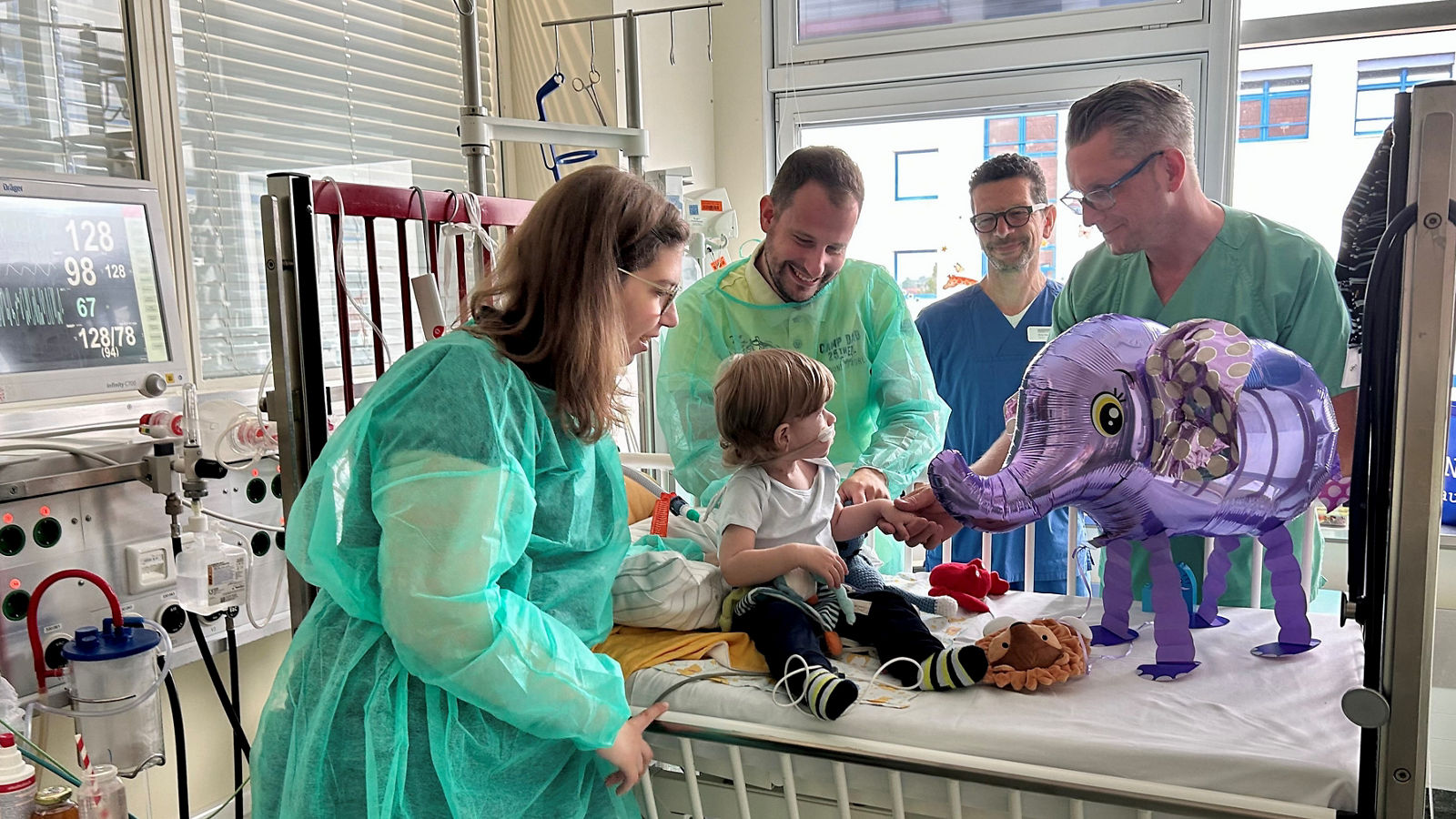
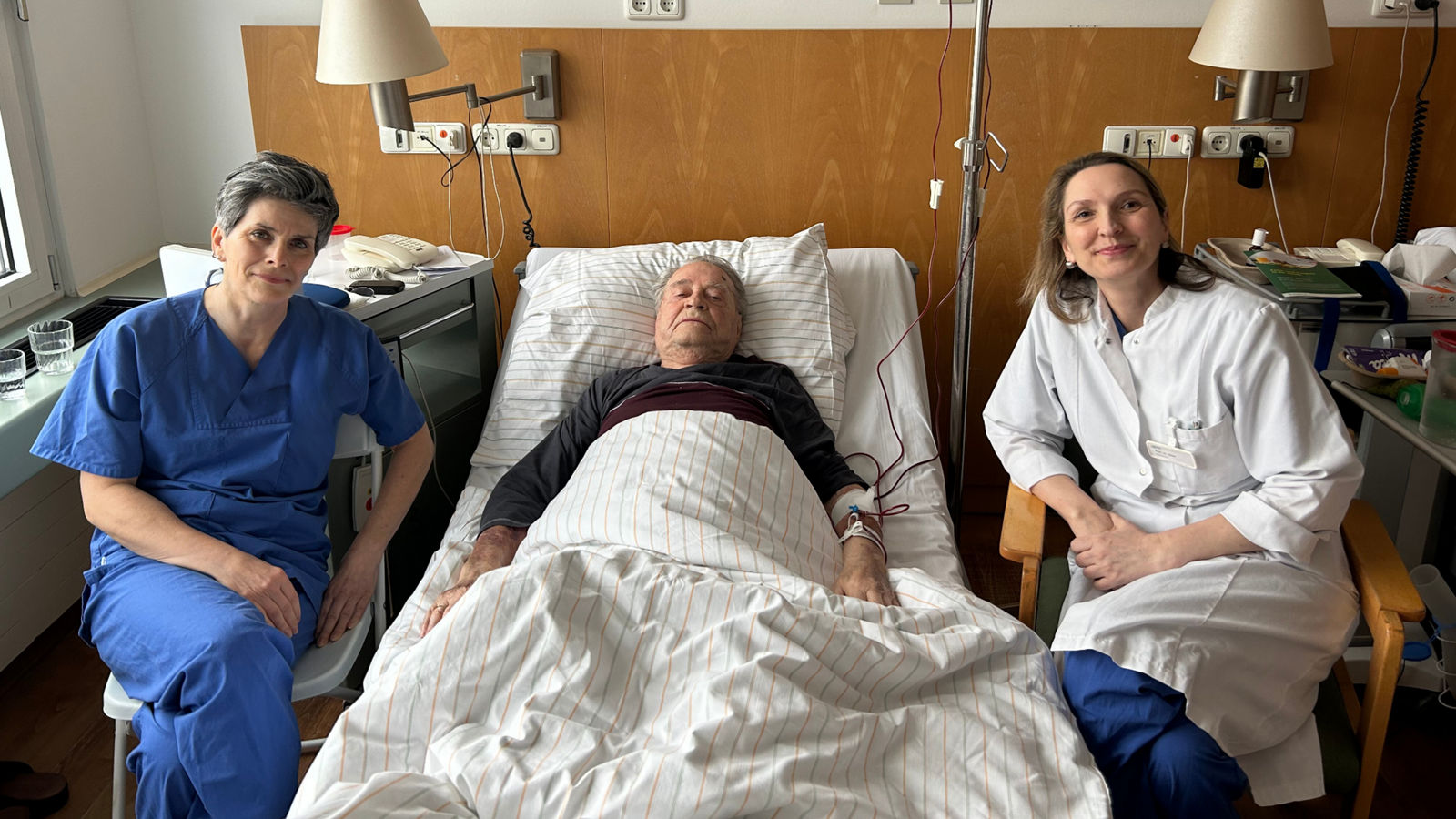
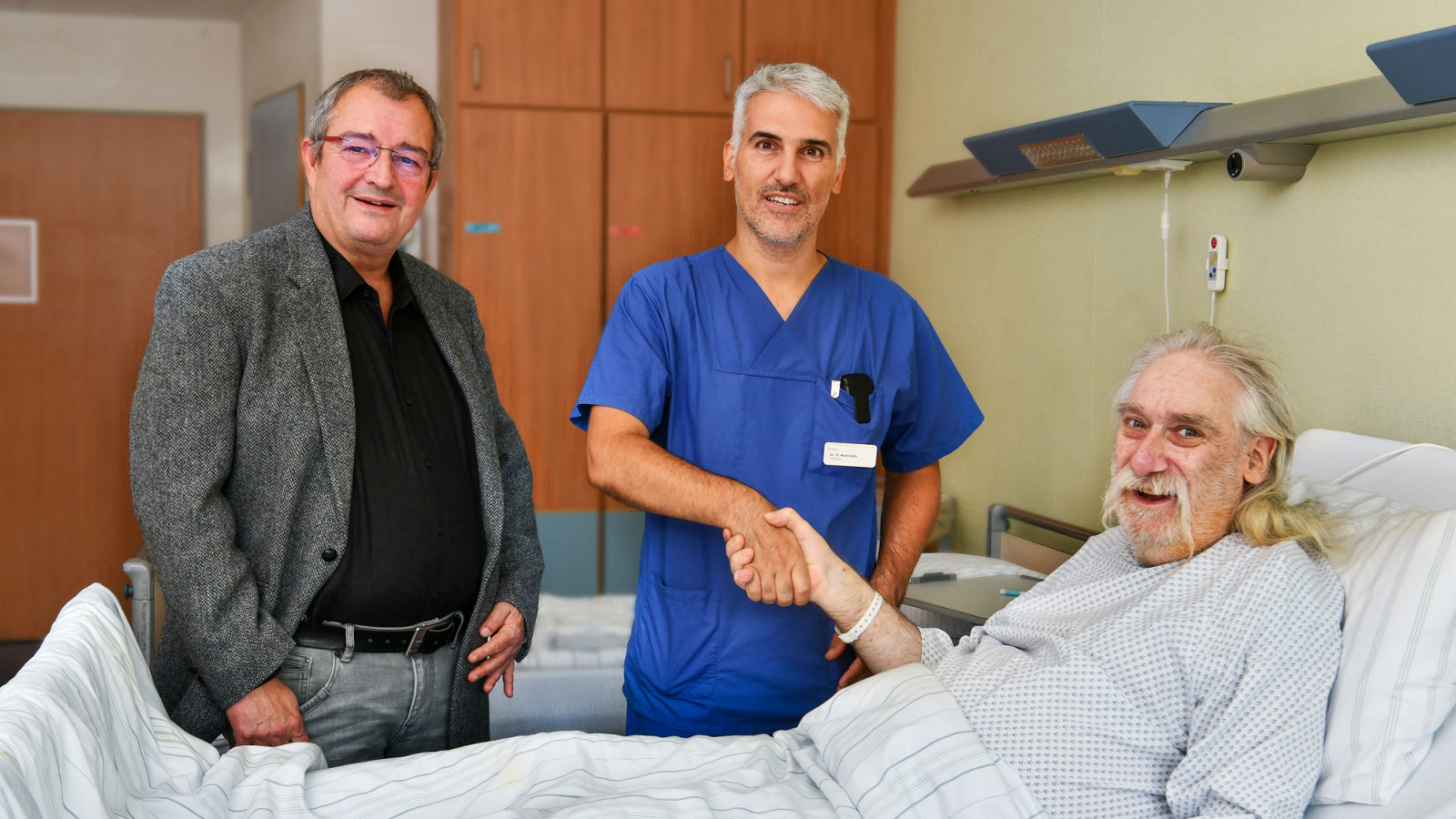
Initially, Tino Windisch was scheduled to receive a mechanical heart valve at another hospital. However, after Linus successfully underwent the Ross procedure at the Pediatric Heart Center in Leipzig, Tino decided to contact the specialists at the Leipzig Heart Center himself. “I didn't want an artificial heart valve. Besides, I had seen how successful the Ross procedure had been for Linus. So I called Dr. Vollroth and asked whether he could operate on me as well. Of course, I was afraid of the surgery, but Linus gave me strength. He had already gone through it before me, and that made me determined to get through it too,” recalls Tino Windisch.
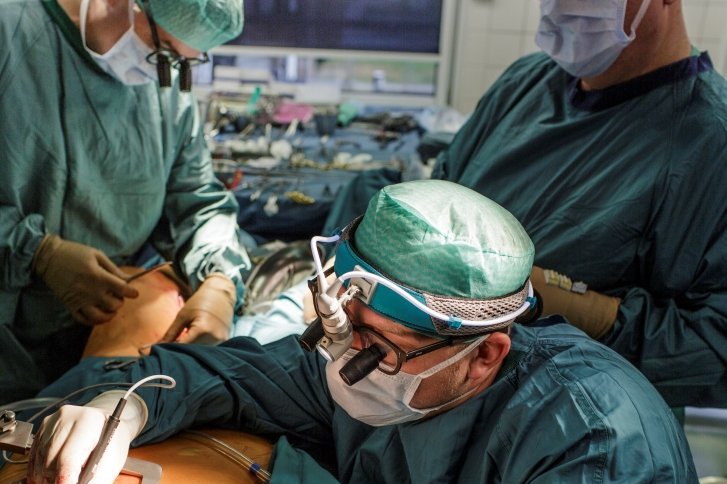
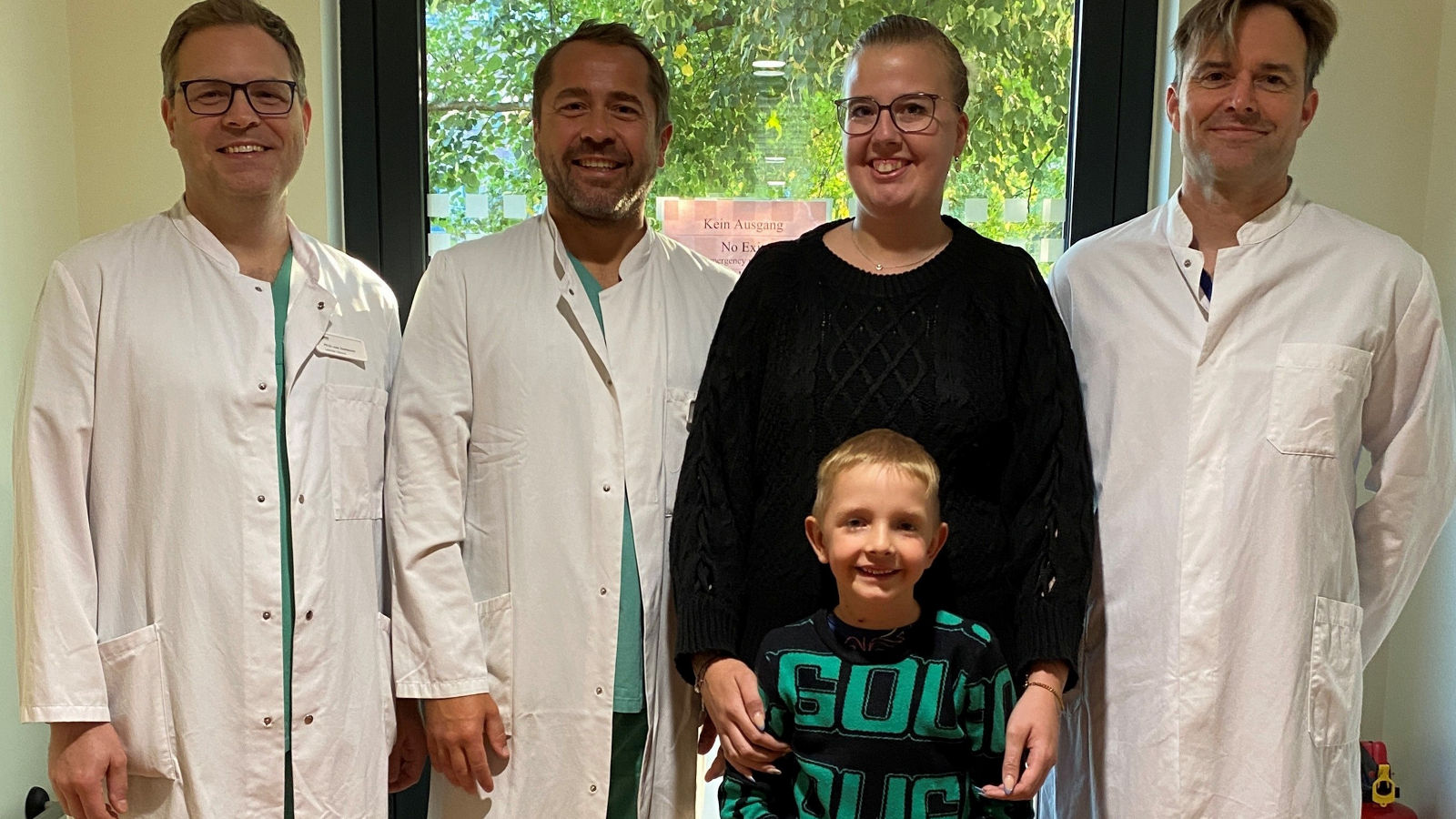
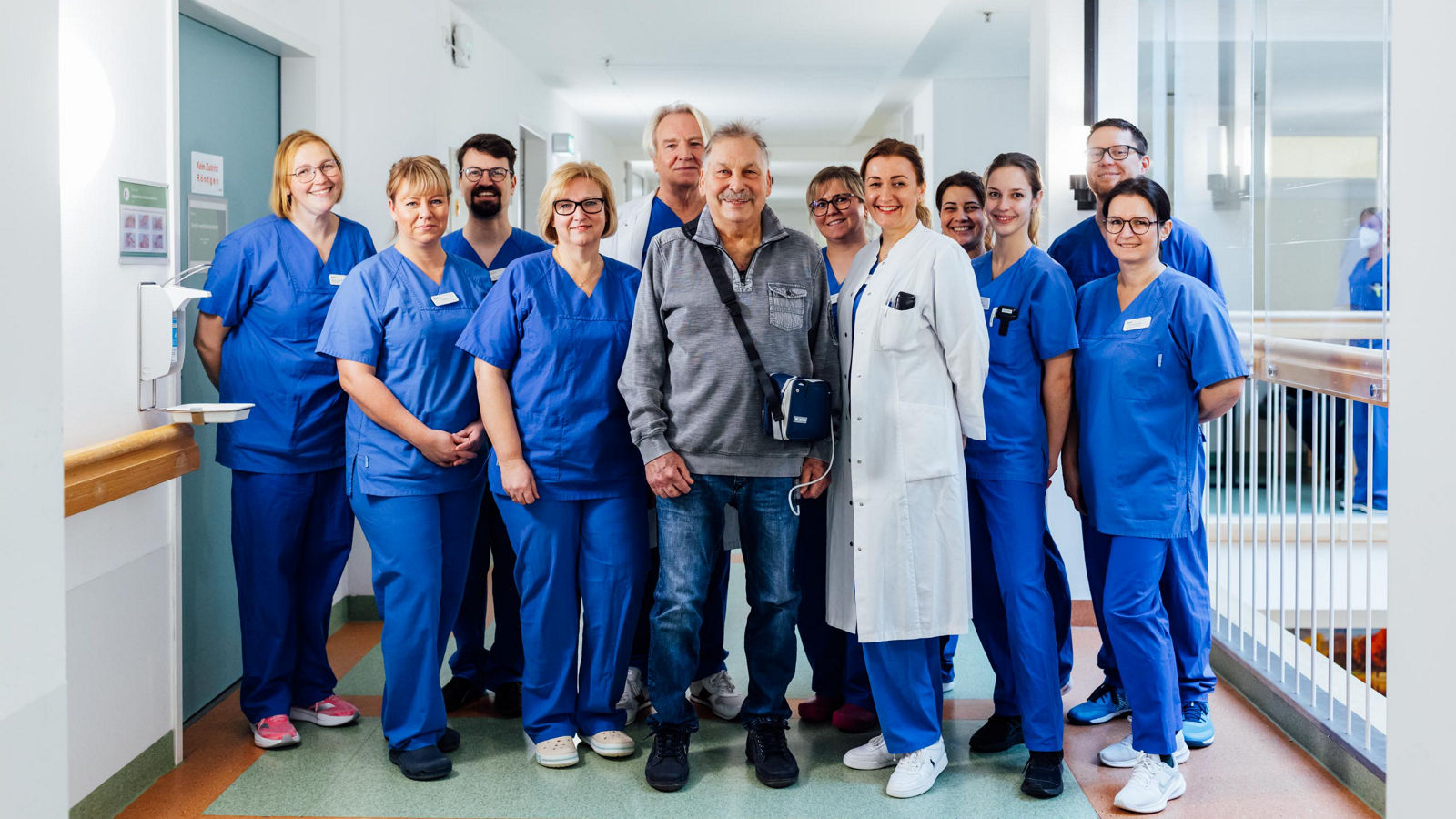
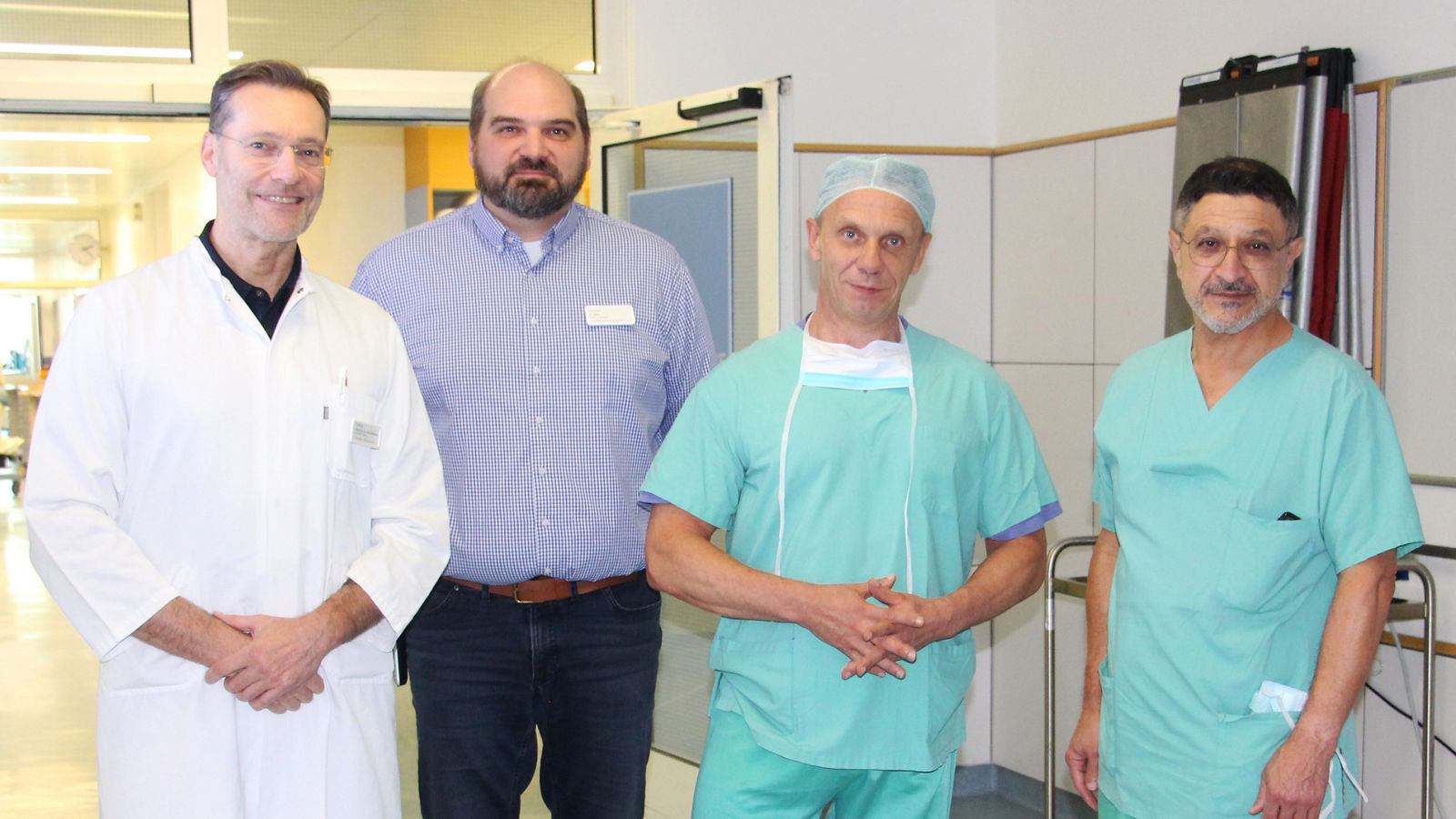
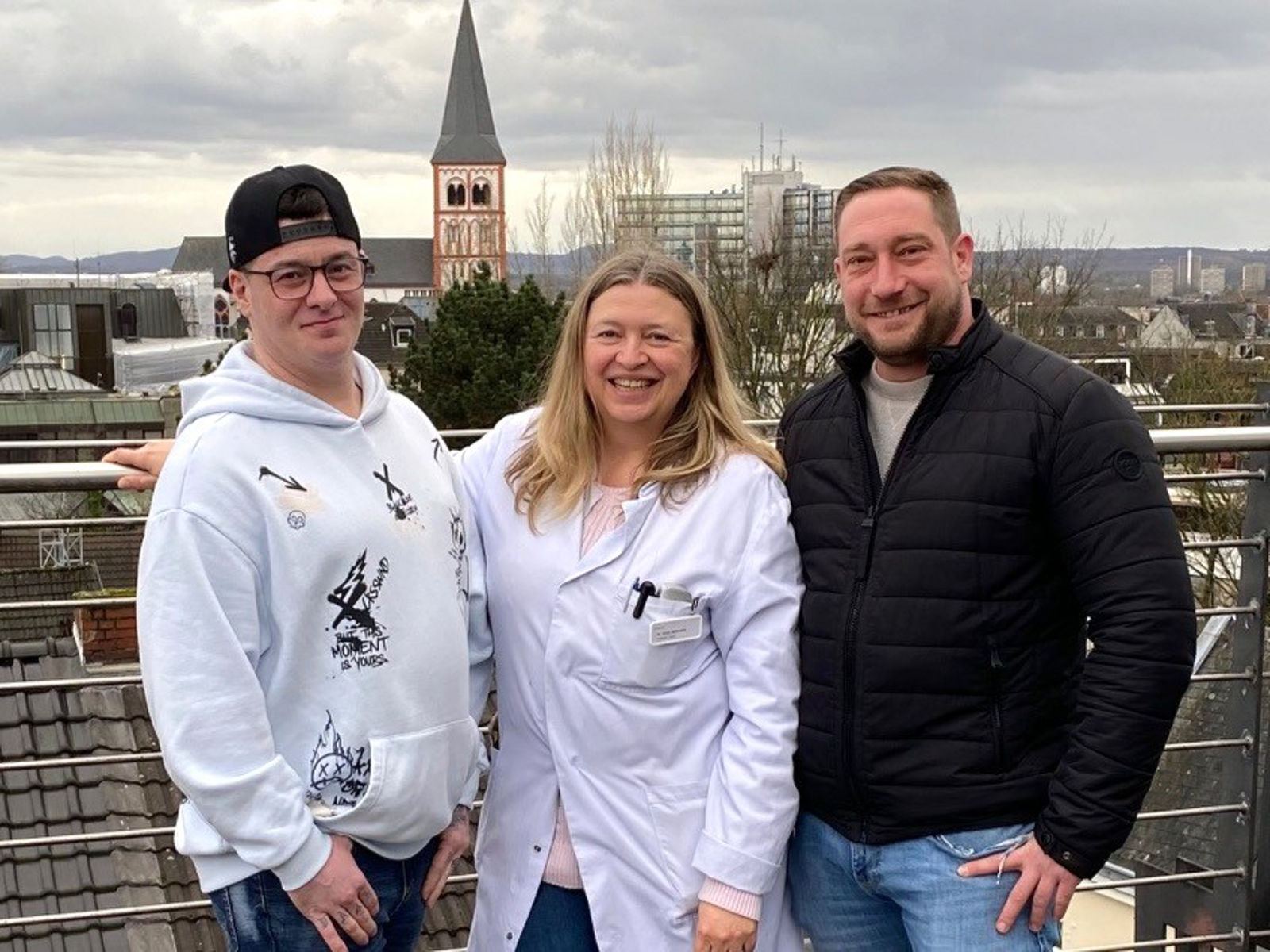
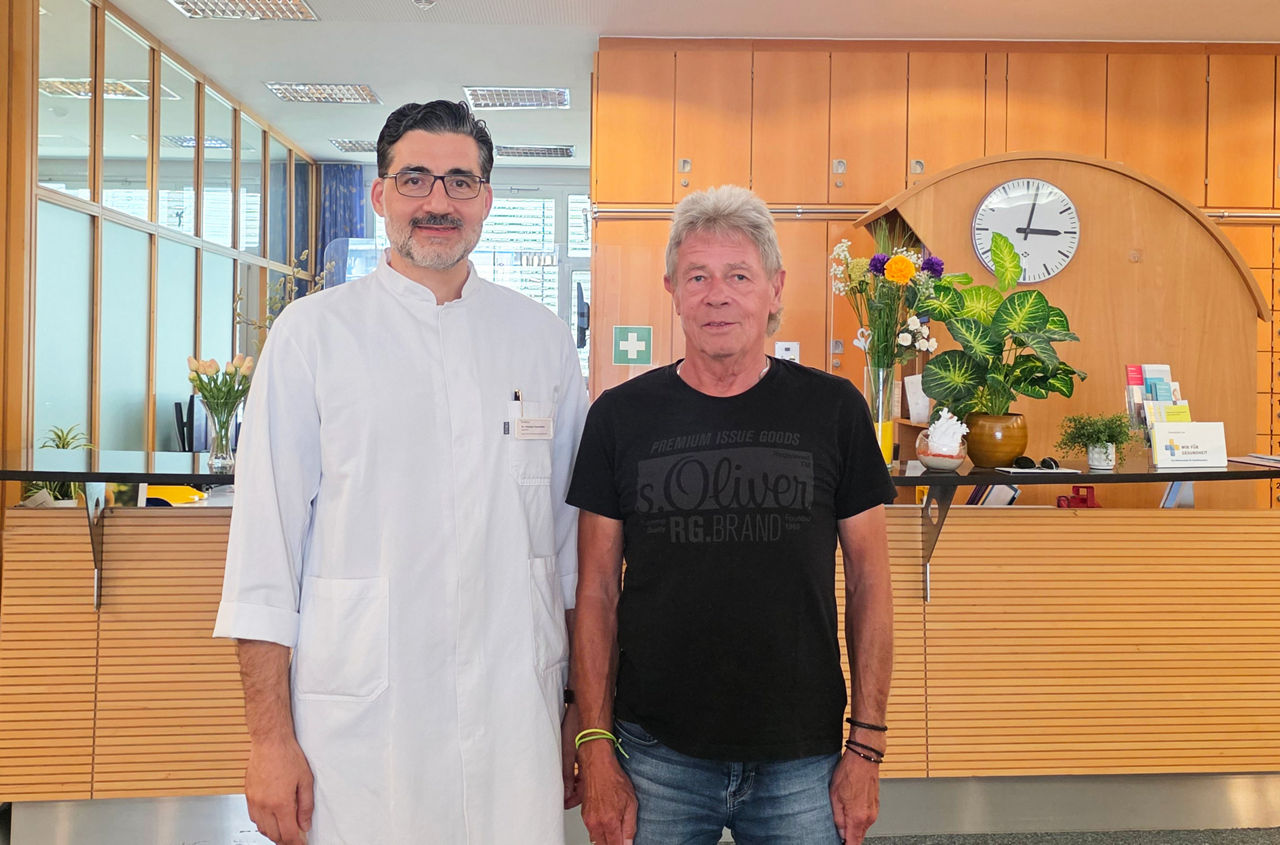
Leipzig is home to the only certified Adult Congenital Heart Disease (ACHD/EMAH) Center in the German states of Thuringia, Saxony, and Saxony-Anhalt, providing specialized treatment for adults with congenital heart defects. This is where Linus's father, Tino, also underwent surgery. The father and son were operated on by a team of two specialists — pediatric cardiac surgeon Privatdozent Dr. Marcel Vollroth and cardiac surgeon Privatdozent Dr. Alexey Dashkevich — with each taking the lead according to their area of expertise.
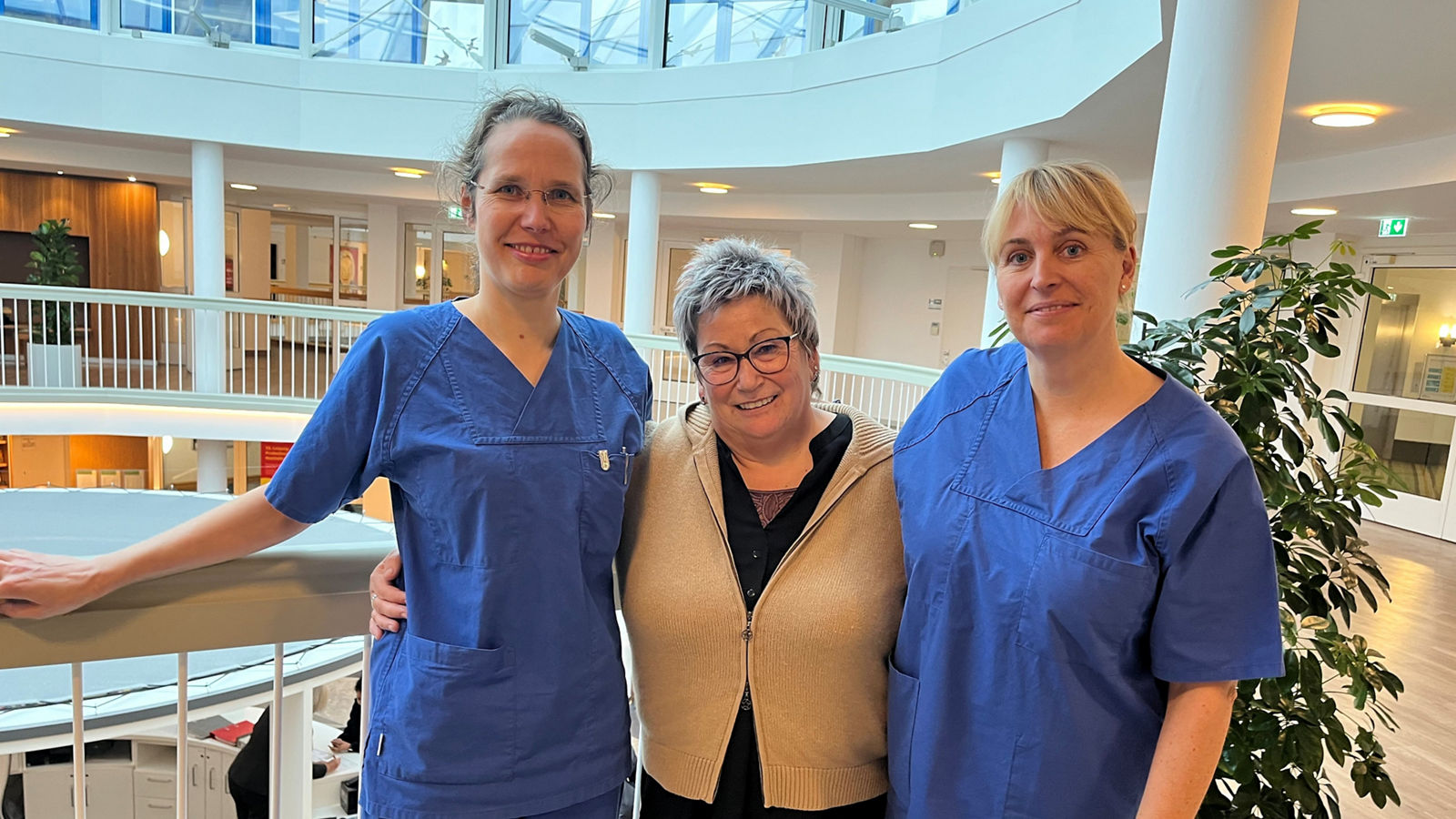
“From the very beginning, we had great confidence in both doctors. They always made us feel that we mattered and explained everything to us in detail. The nursing staff also did an incredible job. They were always calm and took wonderful care of us,” says Kathrin, reflecting on the family's experience at the Leipzig Heart Center.
“The Ross procedure can therefore be performed with a high degree of success at specialized medical centers equipped with the necessary facilities.” — privatdozent Dr. med. Alexey Dashkevich
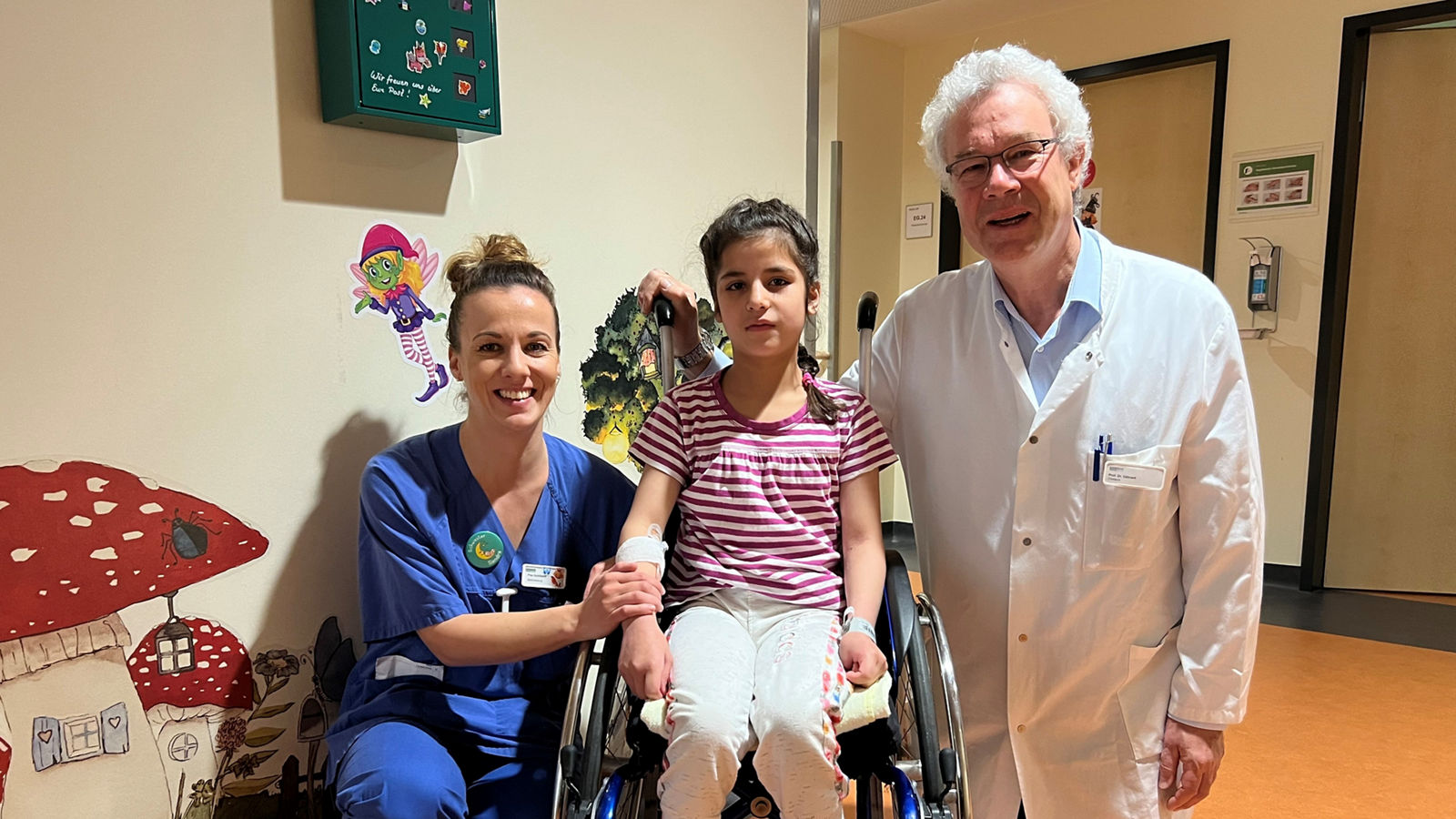
Thanks to the Ross procedure, both father and son have regained a significantly better quality of life. Linus can once again play football for his club and is also very active in other sports. “Looking back, I don't think the operation was all that bad. I'm really happy that I can now play sports again with hardly any restrictions. Before the surgery, I could never make it through an entire football match. I would start sweating quickly, and my heart rate would get really high. Now I can do all of that,” says 15-year-old Linus, reflecting on his surgery.
How the Ross procedure is performed
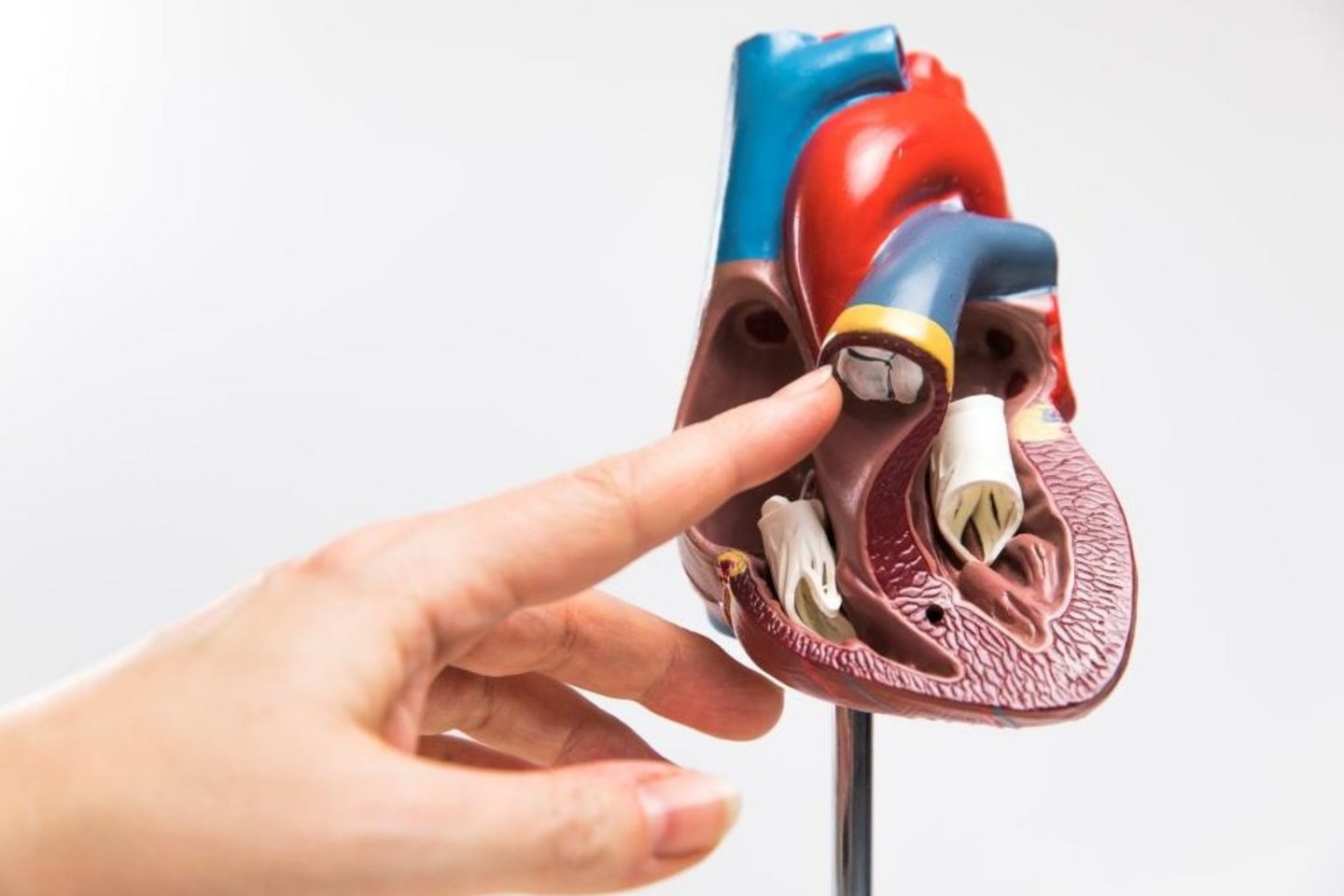
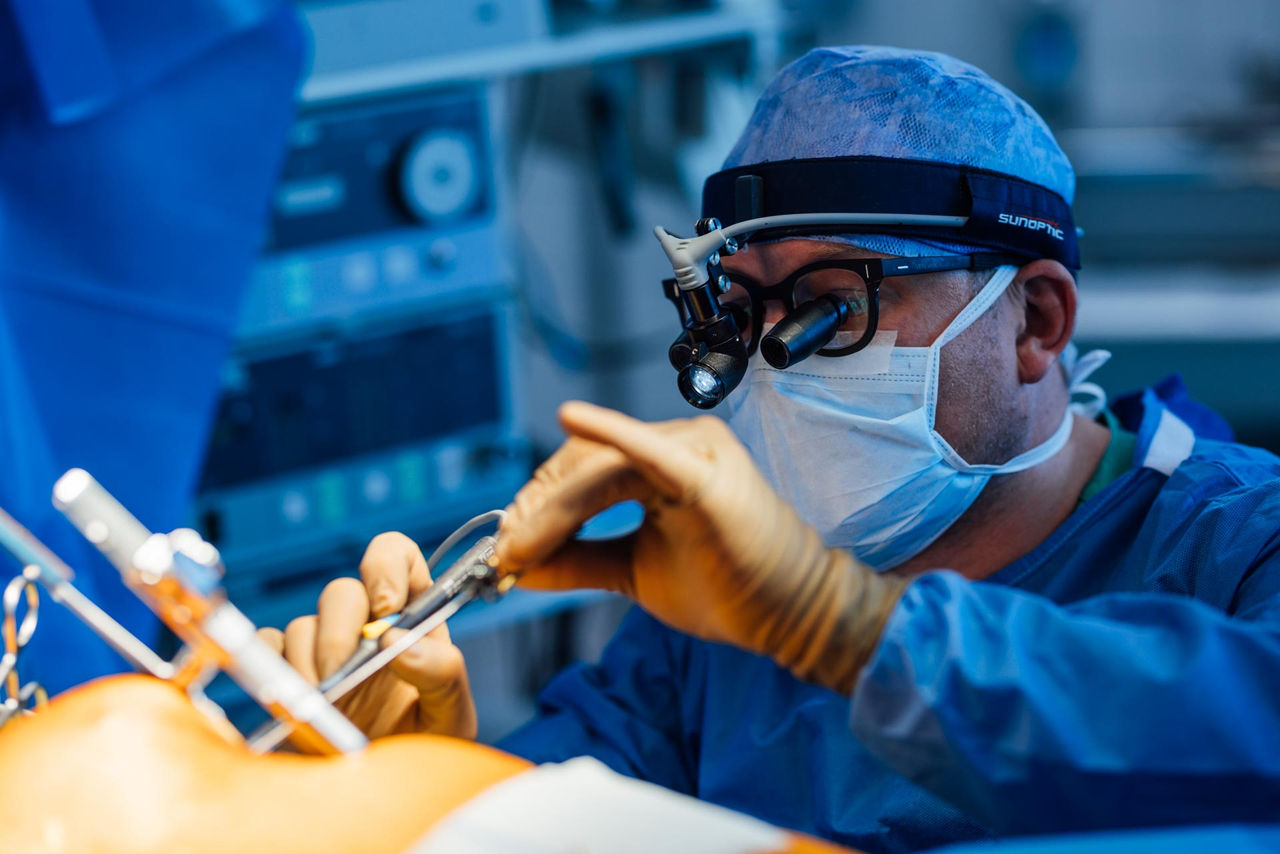
The principle behind the Ross procedure is unusual, yet remarkably straightforward. “The diseased aortic valve is removed and replaced with the patient's own pulmonary valve. The pulmonary valve is similar to the aortic valve in both structure and function. Because it consists of the patient's own tissue, it can provide excellent blood flow characteristics when placed in the aortic position and can grow with the patient, particularly in children and younger individuals. The pulmonary valve that has been moved is then replaced with a donor valve of human or animal origin — known as a homograft,” explains pediatric cardiac surgeon Dr. Vollroth.
“The Ross procedure was already popular in the 1960s. However, due to limited clinical data and the technical complexity of the operation, it was used more cautiously for several years. Cardiac medicine has continued to advance, significantly reducing the risks associated with the procedure. As a result, the Ross procedure can now be performed with a high degree of success in specialized medical centers with the necessary equipment and expertise,” says cardiac surgeon Dr. Dashkevich.
Read more:
Do you need more information about Helios Hospitals or want to schedule your treatment?