Saving twins with multiple complications after birth
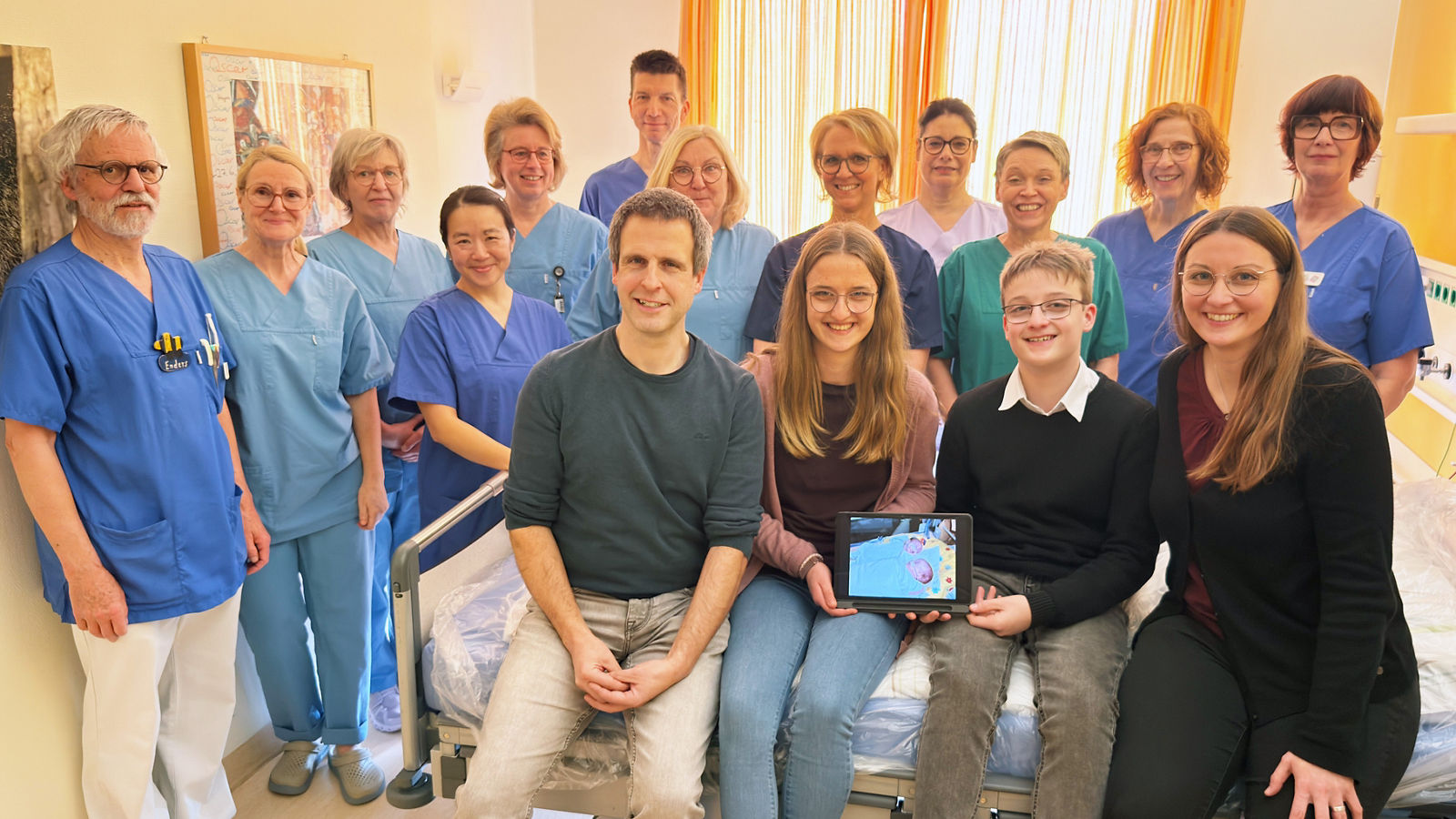
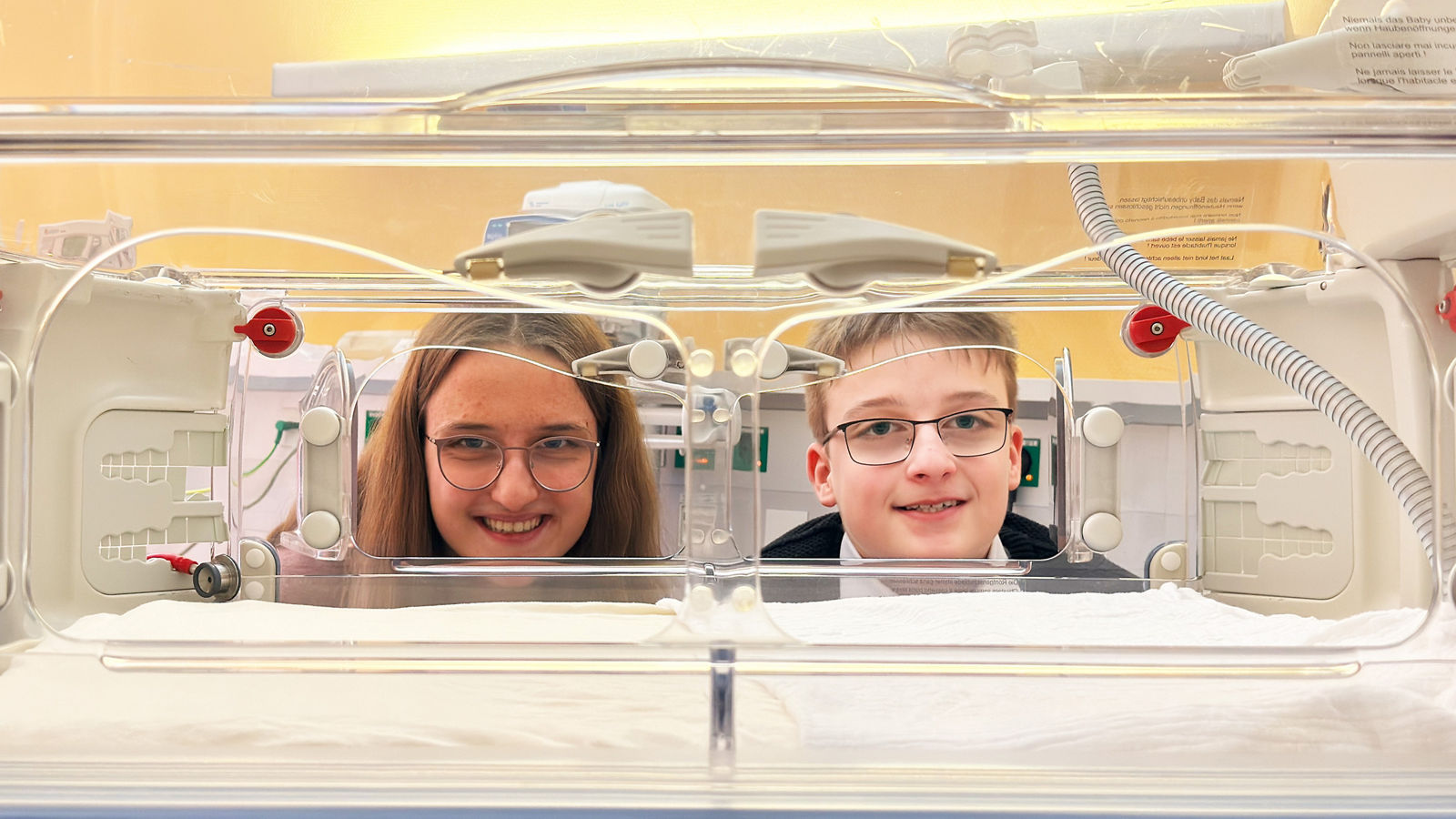
Some stories begin in the delivery room and never truly end. When the Dittmann family from St. Andreasberg walks through the corridors of the Children's Hospital at Helios Hospital Hildesheim today, it is far more than an ordinary visit. It is a homecoming. Fifteen years have passed since twins Philipp and Marie were born at just 27 weeks' gestation. They were tiny, as the neonatal intensive care team affectionately describes them, but they already possessed the fighting spirit that has helped them grow into two thriving young adults.
“Without all of you, we wouldn't be standing here today,” says their father, Fabian, his voice still trembling with gratitude even after fifteen years. It is a sentence that resonates deeply with everyone on the ward.
A beginning against all odds
Looking back to 12 October 2010, the pregnancy had already become a race against time. A shortened cervix, antibiotic treatment, corticosteroids to support the babies' lung development, and the uncertainty of the 23rd week of pregnancy weighed heavily on the family.
On the evening of 11 November, after weeks of anxious waiting, an emergency Caesarean section became necessary. Philipp was delivered first, weighing 1,057 grams, followed just three minutes later by his sister Marie, who weighed only 996 grams. Both babies measured just 35 centimetres in length — about the size of an A4 sheet of paper. For the next several months, the incubator became their home. They were fed intravenously at first, followed by tiny amounts of expressed breast milk administered drop by drop using a syringe.
“Our due date wasn't until 11 February 2011. We simply lived from one week to the next,” recalls their mother, Kristin Dittmann, describing those emotionally exhausting months. “On the day they were born, the fear was almost tangible. But thanks to Nurse Angela and the other members of the team, who cared for both us and our babies every step of the way, we always felt we were in safe hands,” the parents remember.
Kathrin, the paediatric nurse who cared for the twins at the time, adds: “It was a difficult period — 18 weeks in hospital. But it was also a time full of life. Despite everything, we found reasons to smile. We dressed up for Carnival, had wonderful conversations, and experienced an incredible sense of togetherness.”
Marie and Philipp's fight: medical challenges after birth
Shortly after birth, Marie's condition deteriorated dramatically. She developed a pulmonary embolism, a cerebral haemorrhage, and a patent ductus arteriosus (PDA) — a blood vessel near the heart that failed to close naturally after birth as it normally should. Surgery was ultimately required to correct the condition and stabilise her health. Looking back today, her mother says with gratitude:
“The fact that she survived all of those complications feels nothing short of a miracle.”
Philipp also required intensive medical support from the very beginning of his life. Because of bronchopulmonary dysplasia (BPD), a chronic lung disease affecting premature infants, he depended on continuous oxygen therapy for 18 months. In addition, feeding difficulties meant that a feeding tube was essential for his survival. “Every breath he could take on his own was a hard-earned milestone,” his mother recalls.
Philipp needed time, but he never gave up. “He taught us what it truly means to keep going.”
The logistics of love: every drop counts
One story has become almost legendary on the neonatal ward: the "milk logistics."
To provide breast milk for her babies, their mother expressed milk tirelessly. “At first, I arrived with a syringe containing less than five millilitres of milk, and I almost felt embarrassed,” she remembers. But the neonatal team encouraged her every step of the way. “Every single drop counts.”
What began as a few millilitres eventually turned into a remarkable family logistics operation. In the end, the Dittmann family even had their own refrigerator in the milk preparation room at Hospital. “Looking back, it feels as though there must have been 28 tonnes of milk in there,” Fabian jokes today. “The fact that they created space for us instead of throwing the milk away perfectly reflects the appreciation and care we experienced here.”
Back to life — together
Today, the family looks to the future with confidence. A comprehensive network of specialised paediatric care, physiotherapy, and early intervention laid the foundation for the twins' remarkable progress. “Combined with holistic approaches such as osteopathy, Marie and Philipp have shown just how much determination for life can be found in the tiniest of fighters,” says Levente Bejo, MD, Chief Physician of Neonatology.
Since the twins were discharged, not a single year has passed without the hospital receiving greetings from the Harz Mountains. Every year, the entire Dittmann family — all four of them together — returns with a lovingly handmade photo calendar. The calendar now hangs in the ward kitchen, serving as both a treasured reminder for the team and a source of hope for parents who are only just beginning their own journey. “The early calendars showed their first attempts at crawling or the moment they were finally able to put away the oxygen backpack. Today, they feature confirmation photos and two teenagers confidently following their own paths,” says paediatrician Sang-Mi Kim-Peche.
Today, Philipp and Marie are 15 years old and still at school, but they already know where life is taking them. Philipp hopes to pursue a career in agriculture, while Marie dreams of becoming an editor.
 © Helios Klinikum Hildesheim
For Dr Martin Enders, who cared for the twins during their first weeks of life, this long-standing relationship with the family is a true gift. “We can do a great deal medically, but parents who bring such positive energy are just as important. Children can feel that.”
Their father now looks at life with remarkable calm. “When people ask whether I'm worried about the long winters in the Harz, I just smile. We had extremely premature babies who are now perfectly healthy. I've already won the biggest prize in life — what else could possibly happen to me?”
The visit ends the way it always does — with hugs and the promise to return again next year. Because at Helios Hospital Hildesheim, the Dittmann family are no longer simply former patients—they have become part of the hospital family.
Read more:
Do you need more information about Helios Hospitals or want to schedule your treatment?